US Retail Safety Training
Why De-escalation Skills Are Essential for Retail Staff Safety
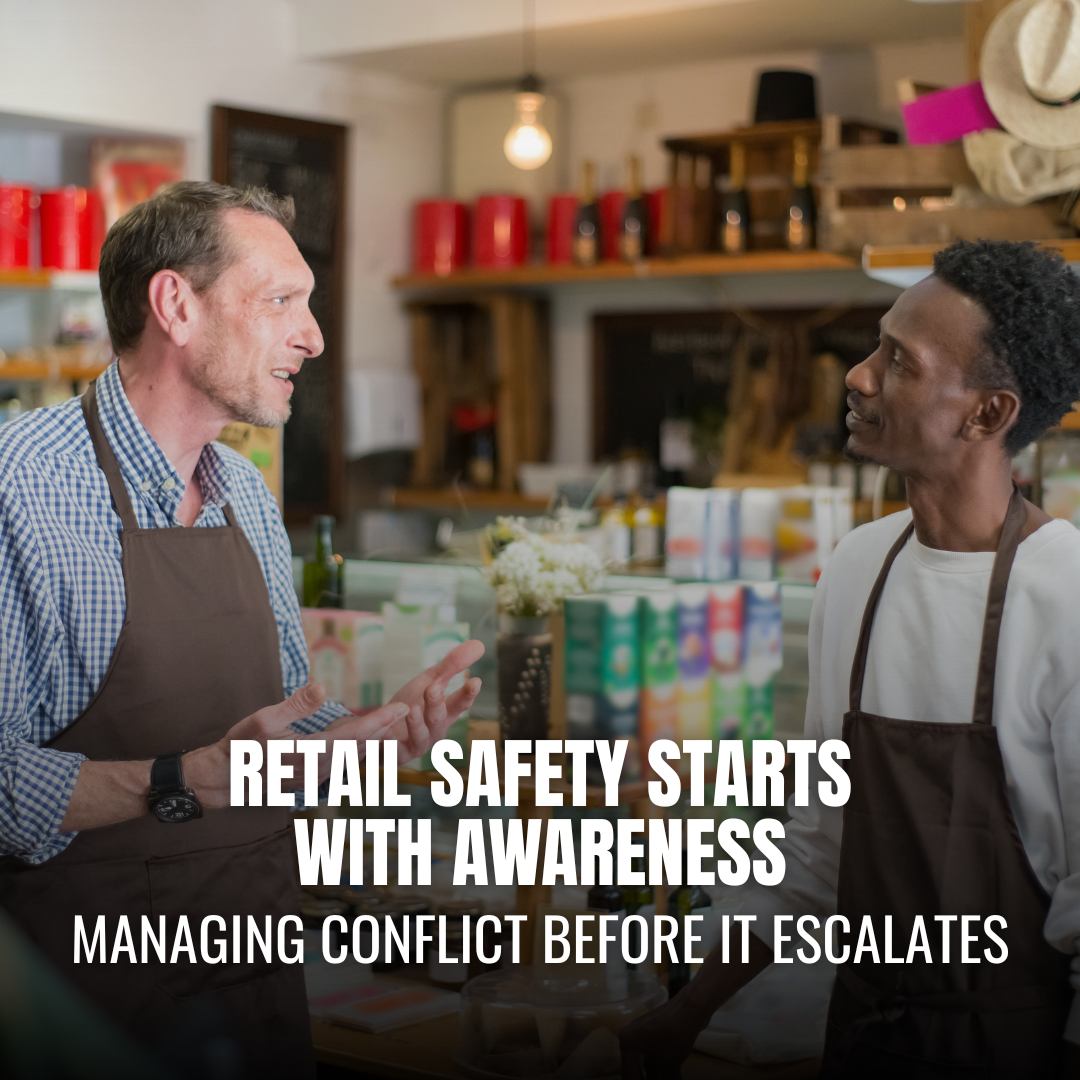
Retail employees interact with the public every day. Most customer encounters are routine, but some can quickly turn tense due to frustration, misunderstandings, or heightened emotions. In today’s retail environment, customer conflict is no longer rare. It is a workplace safety concern that businesses must address proactively.
De-escalation is not about winning arguments or appeasing difficult behavior. It is about protecting employees, reducing risk, and maintaining a safe and respectful environment for everyone in the store.
Understanding Customer Conflict in Retail Settings
Customer conflict often begins with small triggers. Long wait times, product shortages, pricing disputes, or return denials can escalate if not handled carefully. Inspectors, insurers, and regulators increasingly expect retail employers to recognize these risks and take steps to protect staff.
Common situations that lead to escalation include:
- Customers raising their voice or using aggressive language
- Refusal to follow store policies
- Personal insults or threatening behavior toward employees
- Tense interactions at checkout, service desks, or loss prevention points
Without proper training, employees may respond emotionally or defensively, which can intensify the situation and put everyone at risk.
Why De-escalation Is a Safety Skill, Not Just Customer Service
De-escalation focuses on recognizing early warning signs and responding in ways that reduce tension before a situation becomes unsafe. For retail staff, this skill is essential for both personal safety and operational continuity.
Effective de-escalation helps employees:
- Stay calm under pressure
- Prevent verbal conflict from becoming physical
- Reduce the likelihood of injury or property damage
- Maintain professionalism during stressful encounters
From an employer perspective, de-escalation training supports workplace safety obligations and demonstrates a commitment to employee well-being.
Key Elements of Effective De-escalation in Retail
Identifying Triggers and Early Warning Signs
Employees should be trained to recognize behaviors that signal rising tension. Changes in tone, pacing, body language, or repeated complaints often indicate that a situation may escalate if not addressed properly.
Calm and Empathetic Communication
How staff speak matters. Using a calm tone, acknowledging customer concerns, and avoiding confrontational language can significantly reduce hostility. Empathy does not mean agreeing with inappropriate behavior. It means keeping communication respectful and controlled.
Non-Verbal Awareness
Body language plays a powerful role in de-escalation. Open posture, appropriate eye contact, and non-threatening gestures help convey reassurance and reduce perceived conflict.
Knowing When to Step Back
De-escalation also includes understanding limits. Employees must know when to involve a supervisor, security, or follow company procedures to protect themselves and others.
Featured Training: Retail De-escalation Awareness
TAP Series Retail De-escalation Awareness Training is designed specifically for retail environments where employees regularly interact with customers under pressure.
This course helps learners:
- Understand what de-escalation is and why it matters in retail
- Identify triggers and early signs of escalating behavior
- Communicate calmly and empathetically during tense interactions
- Use non-verbal cues to reduce perceived threats
- Apply practical de-escalation techniques in real-world scenarios
By focusing on awareness and application, the course equips retail staff with skills they can use immediately on the sales floor.
Supporting Safety and Customer Experience
De-escalation training does more than reduce conflict. It supports safer stores, more confident employees, and better customer outcomes. When staff feel prepared to handle difficult situations, they are less likely to panic, react emotionally, or disengage.
Retail De-escalation Awareness Training is compatible with learning management systems that support SCORM, cmi5, xAPI, or AICC standards, making it easy to integrate into existing corporate training programs.
Final Thoughts
Customer conflict is a reality in the retail industry. Ignoring it places employees at risk and exposes businesses to preventable incidents.
De-escalation is a practical safety skill that empowers retail staff to manage tense situations professionally and safely. With the right training, employees can recognize risks early, respond appropriately, and help maintain a secure environment for both coworkers and customers.
Investing in de-escalation awareness is an investment in people, safety, and long-term retail operations.