Employee Workplace Training
Recognizing Sexual Harassment in the Workplace: Building Employee Awareness Through Training
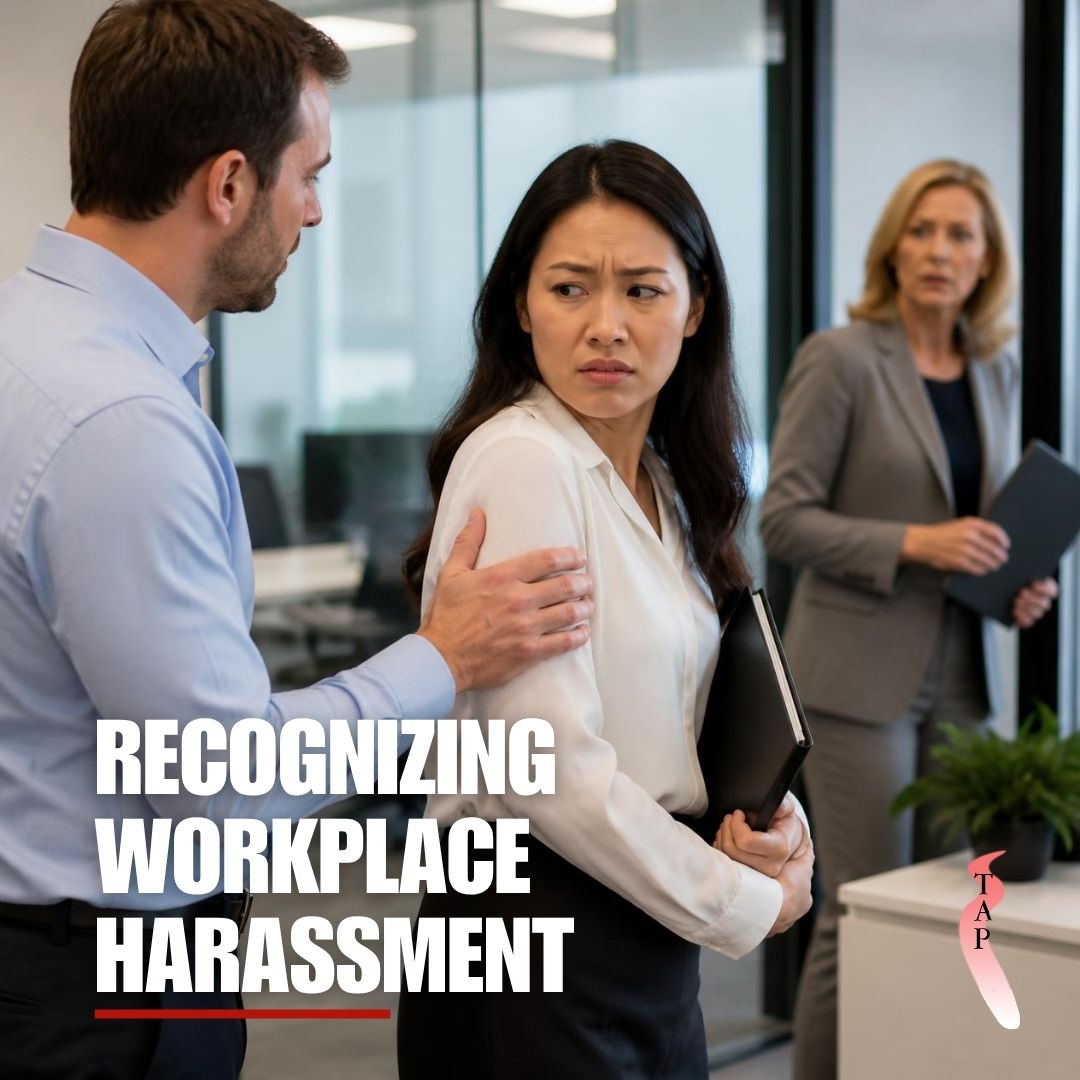
Recognizing sexual harassment in the workplace starts with understanding that inappropriate conduct can take many forms. Employees may encounter unwelcome comments, requests, jokes, messages, gestures, or other behavior that makes the workplace uncomfortable or inappropriate.
For U.S. employers, creating awareness is an important part of maintaining a professional workplace. Employees and supervisors should understand what conduct may raise concerns, how workplace policies apply, and where employees can report concerns.
Workplace training can help establish a common understanding of appropriate conduct and provide employees with practical information about their responsibilities.
What Is Sexual Harassment?
Sexual harassment generally involves unwelcome conduct of a sexual nature or conduct based on sex that affects the workplace. It can involve a supervisor, coworker, customer, client, contractor, or another person employees encounter through their work.
The circumstances surrounding conduct matter. Not every uncomfortable interaction necessarily meets the legal definition of sexual harassment, so employers should avoid making assumptions about individual situations. Instead, employees should understand how to recognize potentially inappropriate behavior and use established reporting procedures.
Examples of conduct that may raise workplace concerns include:
- Unwelcome sexual comments or remarks
- Sexual jokes or conversations
- Unwanted comments about someone's appearance or body
- Repeated requests for dates or romantic attention after rejection
- Sexual gestures or suggestive behavior
- Unwelcome messages, emails, or social media communications
- Displaying sexually suggestive materials in the workplace
- Requests for sexual favors
- Conduct that creates an intimidating, hostile, or offensive work environment
Unwelcome Comments and Conversations
Workplace conversations can sometimes cross professional boundaries. Comments about an employee's body, appearance, relationships, or sexual activity may be inappropriate, particularly when the conduct is unwelcome or repeated.
Employees may also encounter sexual jokes or conversations among coworkers. What one person considers harmless humor may be uncomfortable or unwelcome to another employee.
Employers can help address these situations by establishing clear standards for professional communication.
Employees should understand that:
- Workplace conversations should remain professional.
- Sexual jokes and comments can create workplace concerns.
- Employees should respect boundaries when someone indicates that conduct is unwelcome.
- Concerns should be reported through appropriate workplace channels.
Unwelcome Requests and Advances
Sexual harassment concerns can also involve requests for dates, romantic attention, or sexual favors.
For example, repeatedly asking a coworker for a date after the coworker has declined may create an uncomfortable workplace situation. Requests connected to employment decisions can also raise serious concerns.
Employees should understand that workplace relationships and personal interactions must still be approached with professionalism and respect for boundaries.
Supervisors have an additional responsibility because their position of authority can affect how employees experience and respond to workplace conduct.
Written and Digital Conduct Matters Too
Workplace communication is no longer limited to conversations that happen in person. Employees may communicate through email, messaging platforms, workplace applications, text messages, or social media.
Inappropriate conduct can occur through these channels as well.
Examples may include:
- Sending unwanted sexual messages
- Sharing sexually suggestive images or content
- Making inappropriate comments in workplace group chats
- Sending repeated personal messages after an employee has expressed discomfort
- Making sexual comments through workplace communication platforms
Employers should make sure employees understand that workplace conduct expectations can apply to digital communications connected to work.
Why Employees May Not Recognize Harassment
Employees may hesitate to identify or report inappropriate conduct for several reasons. They may be unsure whether the behavior is serious enough to report, may not understand the company's reporting procedures, or may be concerned about how others will respond.
Some employees may also believe that certain behavior is simply part of workplace culture.
This is why awareness matters.
Clear training and communication can help employees understand:
- What types of conduct may raise concerns
- How workplace policies address inappropriate behavior
- Where to report concerns
- Who they can approach for assistance
- The importance of respecting workplace boundaries
- The responsibilities of supervisors and managers
Supervisors Have an Important Role
Supervisors may be among the first people to hear about a workplace concern. Their response can influence how the situation is handled and whether employees feel comfortable raising future concerns.
Supervisors should understand their organization's procedures and know when a concern needs to be escalated to HR or another designated person.
When an employee raises a concern, supervisors should:
Listen professionally
Give the employee an opportunity to explain the concern without immediately dismissing it.
Avoid making conclusions
Supervisors should not independently determine whether an allegation is true or false.
Follow company procedures
Concerns should be handled according to established workplace policies and reporting processes.
Escalate appropriately
Supervisors should know when and how to involve HR, management, or another designated resource.
Creating a Culture of Awareness
Preventing workplace harassment is not solely the responsibility of HR. Employees, supervisors, and organizational leaders all have a role in maintaining professional standards.
Employers can support awareness by regularly reinforcing expectations around respectful conduct and making reporting procedures accessible.
A workplace culture focused on awareness can encourage employees to recognize concerns earlier and understand where to seek guidance.
Useful workplace practices include:
- Maintaining clear anti-harassment policies
- Providing employees with appropriate training
- Communicating reporting procedures
- Training supervisors on their responsibilities
- Addressing concerns through established processes
- Reinforcing expectations for respectful communication
- Reviewing policies and training periodically
The Importance of Sexual Harassment Training
Sexual Harassment Training | TAP Series®
Training can give employees and supervisors a clearer understanding of workplace expectations and help build awareness around potentially inappropriate conduct.
A sexual harassment training program can help address important areas such as:
- Employee awareness: Employees can learn to identify conduct that may be inappropriate or unwelcome.
- Workplace boundaries: Training can reinforce the importance of professional communication and respecting personal boundaries.
- Reporting procedures: Employees can become familiar with available channels for raising workplace concerns.
- Supervisor responsibilities: Managers can better understand their role when employees bring concerns to their attention.
- Prevention strategies: Training can support broader workplace efforts to promote respectful conduct.
Training should be part of a broader workplace approach that includes appropriate policies, reporting procedures, management practices, and organizational accountability.
What Employers Can Do to Improve Awareness
Employers can take several practical steps to help employees recognize and respond appropriately to potential harassment concerns.
Establish clear expectations
Workplace policies should clearly communicate expectations for professional and respectful conduct.
Provide regular training
Training can reinforce workplace standards and help employees understand how policies apply to different situations.
Explain reporting channels
Employees should know who they can contact and how to raise a concern.
Train supervisors
Supervisors should understand their responsibilities and know how to respond when employees report concerns.
Reinforce respectful workplace practices
Awareness should continue beyond a single training session through communication, leadership, and consistent workplace practices.
Conclusion
Recognizing sexual harassment in the workplace requires employees and supervisors to understand that inappropriate conduct can occur in many different forms. Comments, requests, conversations, digital communications, and other behavior may create concerns when they are unwelcome or inconsistent with workplace expectations.
For U.S. employers, providing clear policies, accessible reporting procedures, appropriate management practices, and effective training can help employees better understand workplace standards. Sexual harassment training can be an important component of these efforts by improving awareness and reinforcing the importance of professional, respectful conduct.