Regulatory Compliance For Educational Institutions
Ethics and Conduct in Education: Strengthening Professional Ethics and Accountability Across U.S. Schools
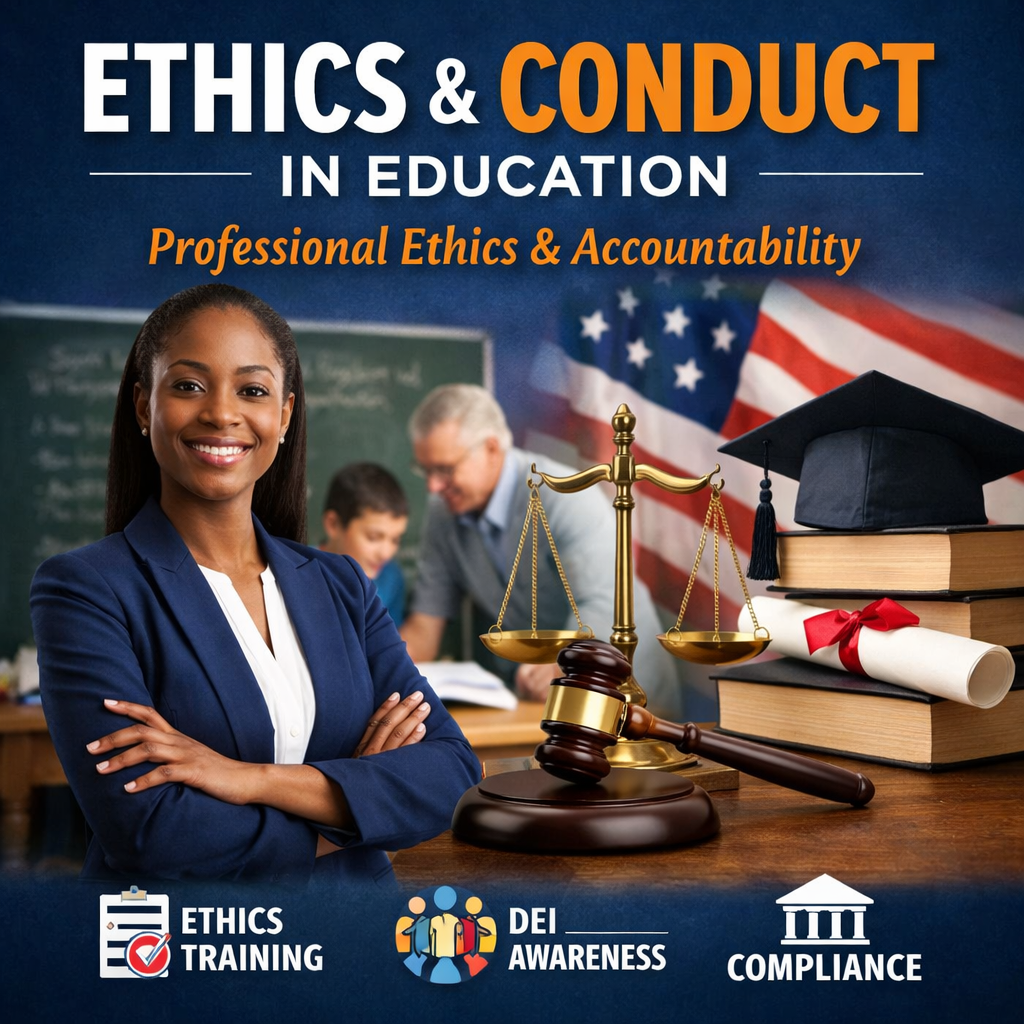
Ethics and conduct in education shape the culture, credibility, and long term success of every school, district, college, and university. In today’s environment of increased public scrutiny, regulatory oversight, and community expectations, professional ethics and accountability are not optional. They are operational necessities.
For U.S. education organizations, ethical leadership directly impacts student safety, faculty morale, compliance standing, funding, and public trust. When ethical standards are clearly defined, consistently applied, and reinforced through training, institutions create environments where integrity guides every decision.
Why Professional Ethics Matter in the Education Industry
Education professionals hold positions of influence and responsibility. Teachers, administrators, finance officers, HR teams, and board members make decisions that affect students, families, and communities every day.
Without strong ethical standards, organizations face:
- Reputational damage
- Legal liability
- Loss of accreditation or funding
- Internal culture breakdown
- Increased employee turnover
Professional ethics ensure that:
- Decisions prioritize student welfare
- Financial practices remain transparent and compliant
- Hiring and promotion processes are fair
- Conflicts of interest are properly managed
- Leadership remains accountable to stakeholders
Ethics is not just about avoiding misconduct. It is about building a culture where doing the right thing becomes the standard expectation.
Accountability as a Core Leadership Responsibility
Accountability in education extends beyond individual behavior. It involves systems, policies, and leadership modeling.
Strong accountability frameworks include:
- Clear codes of conduct
- Consistent disciplinary procedures
- Transparent reporting channels
- Ongoing compliance training
- Leadership modeling ethical behavior
When leaders demonstrate integrity, staff follow. When policies are enforced consistently, trust grows. Accountability reinforces that ethical conduct applies to everyone, regardless of role or seniority.
Common Ethical Risks in U.S. Educational Institutions
Educational organizations face complex ethical challenges, including:
- Conflicts of interest in procurement and contracting
- Misuse of federal or state funding
- Data privacy violations
- Inappropriate staff student boundaries
- Bias in hiring or disciplinary actions
- Discrimination or harassment claims
Failing to address these risks proactively can result in audits, lawsuits, regulatory penalties, and community backlash.
Training equips staff to recognize ethical dilemmas before they escalate into violations.
Building an Ethical Culture Through Structured Training
Ethical awareness must be reinforced through structured learning programs that address:
- Understanding professional ethics standards
- Maintaining independence and objectivity
- Identifying and resolving ethical dilemmas
- Complying with state and federal regulations
- Strengthening professional judgment
- Understanding consequences of misconduct
- Promoting ethical culture organization wide
Education institutions benefit from training that emphasizes both regulatory compliance and real world ethical reasoning.
Featured Course: Ethics Training for Professional Accountability
The TAP Series Ethics Training course provides in depth instruction on professional conduct, ethical reasoning, regulatory compliance, and accountability standards.
Learn more here:
Ethics Training | Tap Series®
This course helps organizations:
- Reinforce professional ethics principles
- Improve ethical decision making skills
- Strengthen compliance awareness
- Promote independence and objectivity
- Clarify reporting and renewal requirements where applicable
- Understand disciplinary consequences of violations
Although originally approved for professional regulatory compliance, its core principles apply directly to education leaders, finance officers, and administrators responsible for safeguarding public trust.
Featured Course: DEI Awareness for Inclusive and Ethical Workplaces
Ethical accountability also includes fairness, equity, and inclusion. TAP Series DEI Awareness training helps education organizations strengthen workplace culture and reduce discrimination risk.
DEI training supports institutions in:
- Recognizing unconscious bias
- Promoting respectful communication
- Supporting inclusive hiring practices
- Preventing harassment and discrimination
- Reinforcing equal opportunity compliance
When diversity, equity, and inclusion are embedded into ethical standards, schools create environments where students and staff feel valued and protected.
Practical Steps for U.S. Education Organizations
To strengthen professional ethics and accountability:
- Conduct a policy review to ensure codes of conduct align with current regulations.
- Implement mandatory ethics training for leadership and staff.
- Integrate DEI awareness into compliance programs.
- Establish confidential reporting systems.
- Audit compliance processes annually.
- Lead by example at the executive and board level.
Ethical culture must be intentional, structured, and reinforced regularly.
Conclusion
Professional ethics and accountability define the strength of an education institution. With clear standards, consistent enforcement, and structured training programs like Ethics Training and DEI Awareness from TAP Series, U.S. schools and universities can protect their reputation, ensure compliance, and foster a culture built on integrity and inclusion.
Investing in ethics education today strengthens compliance resilience and reinforces responsible leadership across the entire organization.