Grocery Store Health Department Inspections
Grocery Store Inspections: What Health Inspectors Actually Look For
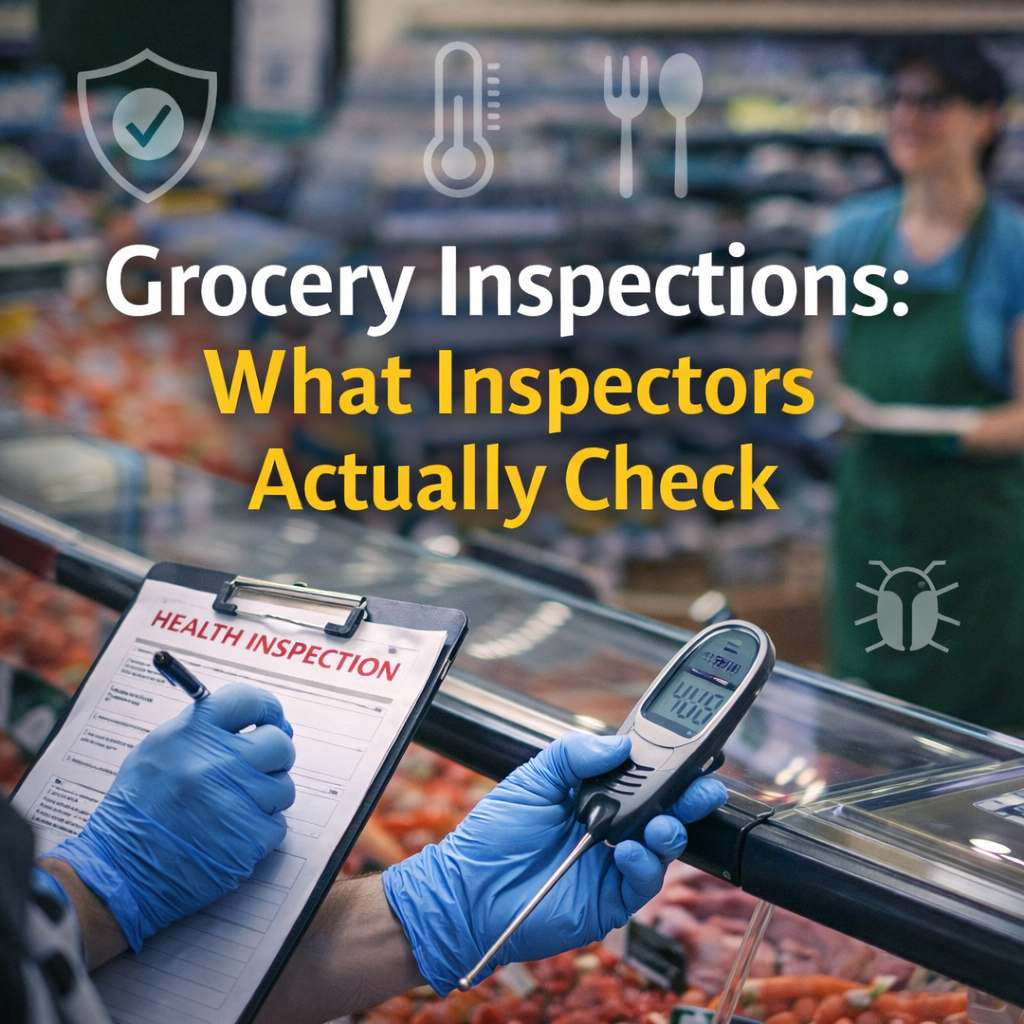
Grocery stores operate under strict health and safety regulations designed to protect consumers from foodborne illness and contamination. Food safety inspections in the grocery industry are not random or superficial. Health inspectors follow structured guidelines to evaluate whether food handling practices, storage conditions, sanitation procedures, and employee behaviors meet public health standards.
For grocery operators across the United States, understanding what inspectors actually evaluate can help prevent violations, protect customers, and maintain regulatory compliance. Preparation begins with well trained employees who understand food safety principles and follow them consistently.
Why Grocery Inspections Matter
Grocery stores handle large volumes of food every day. Improper handling, storage, or sanitation can quickly create conditions that allow harmful bacteria to grow.
Regulatory inspections focus on identifying risks that could lead to foodborne illness. When inspectors find violations, they may issue warnings, require corrective actions, impose fines, or in serious cases shut down operations until problems are fixed.
Maintaining compliance protects:
- Customer health and safety
- Store reputation and consumer trust
- Operational continuity
- Legal and regulatory standing
Training employees to follow food safety procedures is one of the most effective ways to reduce violations.
The Most Common Areas Inspectors Evaluate
During a grocery inspection, health officials typically walk through the entire food handling process. They observe employee practices, check equipment, review food storage conditions, and verify sanitation procedures.
Below are some of the most common areas inspectors focus on.
Personal Hygiene and Employee Health
Employees play a critical role in preventing contamination. Inspectors often begin by observing how workers handle food and maintain personal hygiene.
They typically check for:
- Proper handwashing practices
- Use of gloves when required
- Clean uniforms and hair restraints
- Employees working while sick
- Reporting symptoms of illness to supervisors
Food workers who handle food while ill can spread dangerous pathogens. This is why health inspectors pay close attention to employee health policies and hygiene practices.
Temperature Control and Food Storage
Temperature management is one of the most important factors in preventing foodborne illness.
Inspectors routinely check:
- Cold holding temperatures for refrigerated foods
- Hot holding temperatures for prepared foods
- Proper thawing procedures
- Cooling methods for cooked foods
- Reheating practices
Improper temperature control allows bacteria to multiply quickly. Inspectors will often use thermometers to verify that foods are stored within safe ranges.
Preventing Cross Contamination
Cross contamination is a major source of food safety violations in grocery environments.
Inspectors typically review whether stores properly separate raw and ready to eat foods. They may also check:
- Storage order inside refrigerators
- Clean cutting boards and preparation surfaces
- Proper labeling and storage containers
- Separate utensils for raw and cooked foods
Safe food storage practices ensure that harmful bacteria from raw foods do not contaminate ready to eat products.
Cleaning, Sanitizing, and Equipment Maintenance
Clean equipment and food contact surfaces are essential to preventing contamination.
Inspectors evaluate whether grocery stores follow proper cleaning and sanitizing procedures for:
- Food preparation surfaces
- Cutting boards
- Utensils and food contact tools
- Display cases and refrigerators
- Food preparation equipment
They also verify that cleaning chemicals are properly labeled and stored away from food products.
Pest Control and Facility Conditions
Inspectors examine the physical environment of grocery stores to ensure that facilities support safe food handling.
They may check for:
- Signs of rodents or insects
- Proper waste management
- Clean floors, walls, and ceilings
- Proper drainage and plumbing
- Adequate lighting and ventilation
Poor facility maintenance can create conditions that allow pests or contamination risks to develop.
Preparing Your Team for Grocery Inspections
The best way to succeed during inspections is to ensure employees understand food safety requirements before inspectors arrive. Consistent training helps staff recognize risks, follow proper procedures, and maintain safe food handling practices throughout daily operations.
The Food Handler Training Course from TAP Series helps grocery employees understand critical food safety practices, including:
- The relationship between time, temperature, and foodborne illness
- The impact of personal hygiene on food safety
- Methods to prevent contamination of food and surfaces
- Procedures for cleaning and sanitizing equipment
- Safe food storage and regulatory compliance
Employees also learn how to identify health risks, communicate symptoms of illness to supervisors, and maintain hygienic environments during food preparation and service.
For supervisors and department leaders, the Retail Food Safety Manager Certification Training provides deeper knowledge of regulatory expectations and food safety management responsibilities.
This course covers essential topics such as:
- Preventing foodborne illness
- The five most common food safety risk factors
- The managerial role in food safety compliance
- Cross contamination awareness
- Temperature monitoring and the flow of food
- Handling employee illness reports
- Developing HACCP plans and active managerial control
Managers trained in food safety standards are better equipped to identify risks early and maintain consistent compliance across grocery operations.
Strong Food Safety Practices Protect Customers and Businesses
Health inspections should not be viewed as obstacles. They are safeguards designed to protect public health and ensure safe food handling across the grocery industry.
Organizations that invest in food safety training for employees and managers create stronger operational standards, reduce violations, and maintain consumer confidence.
By preparing staff with practical food safety knowledge and reinforcing proper procedures daily, grocery stores can meet regulatory expectations while delivering safe, high quality food to their communities.