Restaurant Regulatory Food Safety Compliance
Health Department Enforcement in Restaurants: Top Violations Inspectors Frequently Cite
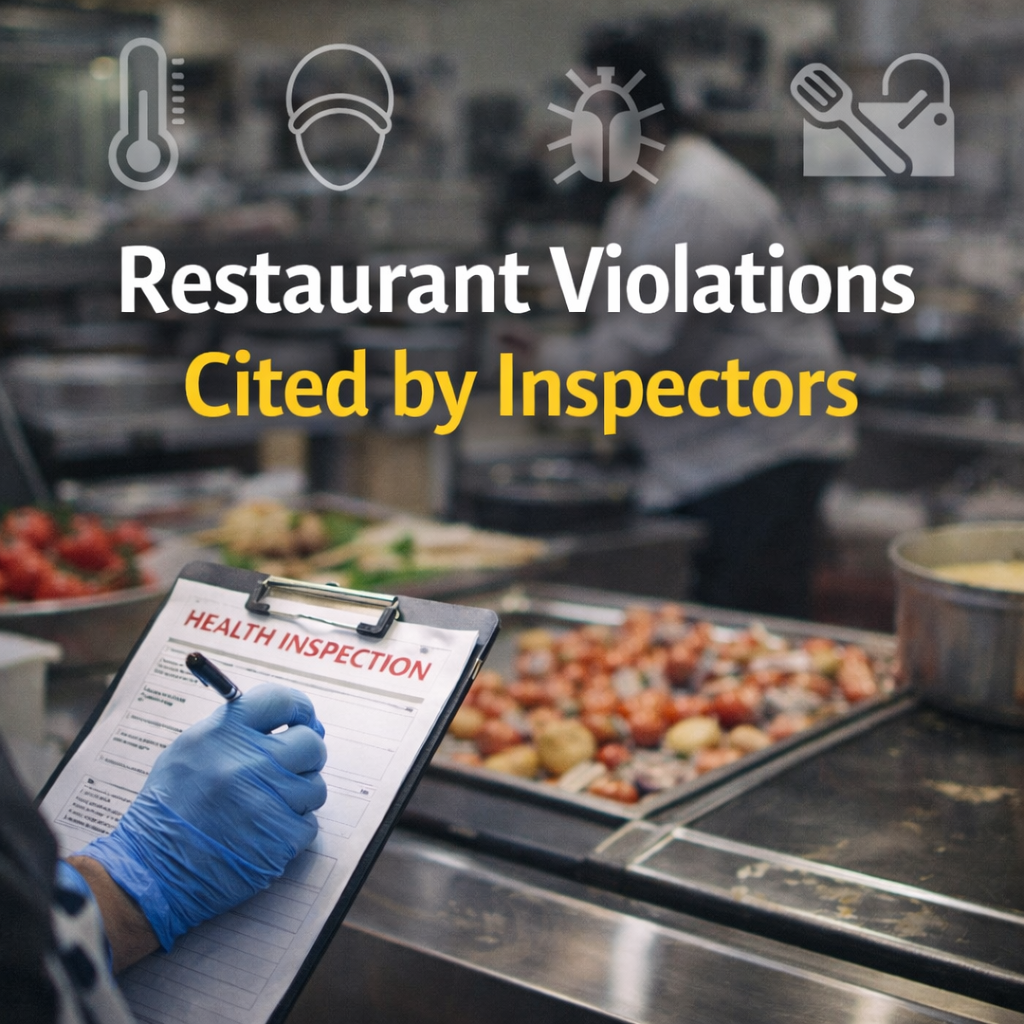
Health department inspections are a routine part of operating a restaurant in the United States. These inspections help ensure that restaurants follow strict food safety regulations designed to protect public health. When inspectors walk into a restaurant, they are not simply checking cleanliness. They are evaluating whether staff follow proper food safety procedures that prevent contamination and foodborne illness.
For restaurant operators, understanding the most common violations cited by health inspectors is essential. Many violations occur not because businesses ignore safety rules, but because employees lack proper training or consistent procedures.
Restaurants that invest in food safety education are better prepared to pass inspections, protect customers, and maintain operational compliance.
Why Health Departments Enforce Food Safety Regulations
Restaurants serve hundreds or even thousands of meals every week. Without strict food safety practices, a single mistake can expose many customers to harmful bacteria, allergens, or contamination.
Health departments enforce regulations to ensure restaurants:
- Protect public health
- Prevent foodborne illness outbreaks
- Maintain safe food handling practices
- Follow sanitation and hygiene standards
- Operate with proper food safety management
Violations identified during inspections can result in warning notices, fines, required corrective actions, or even temporary closure for severe risks.
Improper Temperature Control
One of the most common violations cited during restaurant inspections involves improper temperature control.
Food must be stored, cooked, cooled, and reheated within specific temperature ranges to prevent bacteria from multiplying.
Inspectors commonly check for:
- Cold food held above safe refrigeration temperatures
- Hot foods not maintained at safe hot holding temperatures
- Improper cooling procedures for cooked foods
- Improper reheating practices
Temperature abuse is one of the leading causes of foodborne illness outbreaks, which is why inspectors monitor this area closely.
Poor Employee Hygiene Practices
Food workers are often the first line of defense against contamination. When employees fail to follow hygiene rules, they can spread pathogens directly to food.
Inspectors frequently cite violations related to:
- Improper handwashing
- Lack of hair restraints
- Handling food while sick
- Improper glove usage
- Unclean uniforms or work surfaces
Employees must understand how personal hygiene directly affects food safety and customer health.
Cross Contamination Risks
Cross contamination occurs when bacteria from raw foods or contaminated surfaces transfer to ready to eat foods.
Inspectors commonly identify issues such as:
- Raw meats stored above ready to eat foods
- Shared cutting boards without proper sanitation
- Improper separation of raw and cooked ingredients
- Food contact surfaces not properly cleaned between tasks
Preventing cross contamination requires strict attention to food storage, preparation areas, and cleaning procedures.
Inadequate Cleaning and Sanitizing
Clean equipment and food contact surfaces are essential to maintaining a safe kitchen environment.
Health inspectors often check:
- Whether food contact surfaces are properly sanitized
- If cleaning chemicals are stored correctly
- Whether utensils and equipment are cleaned between uses
- Dishwashing procedures and sanitizer concentration
Improper cleaning allows bacteria to remain on surfaces that directly contact food.
Improper Food Storage and Labeling
Restaurants must store food in ways that prevent contamination and spoilage.
Inspectors frequently cite violations such as:
- Food stored directly on the floor
- Improper labeling of prepared foods
- Expired or improperly dated food items
- Improperly sealed containers
Correct storage procedures ensure food remains safe from preparation through service.
Pest Control and Facility Maintenance Issues
A restaurant’s physical environment plays a major role in food safety. Inspectors evaluate whether facilities are maintained in ways that prevent contamination.
Common violations include:
- Evidence of rodents or insects
- Improper waste management
- Damaged floors, walls, or ceilings
- Improper ventilation or plumbing issues
Poor facility maintenance creates conditions where contamination and pest activity can occur.
Preparing Restaurant Teams for Health Inspections
Many violations occur because employees are unaware of proper food safety procedures. Consistent training ensures staff understand their responsibilities and follow safe practices every day.
The Food Handler Training Course from TAP Series provides restaurant employees with essential knowledge on safe food handling practices, including:
- The relationship between time, temperature, and foodborne illness
- How personal hygiene affects food safety
- Methods to prevent food contamination
- Proper procedures for cleaning and sanitizing equipment
- Safe food storage and compliance with health regulations
Employees also learn how to identify health risks, communicate illness symptoms to supervisors, and maintain hygienic food preparation environments.
Restaurant managers play a critical role in maintaining food safety standards. The Food Safety Manager Certification Training helps supervisors understand regulatory requirements and manage food safety risks effectively.
This training covers:
- Preventing foodborne illness
- The five most common food safety risk factors
- Cross contamination awareness
- Monitoring temperatures during food preparation and storage
- Handling employee illness reports
- Developing HACCP plans and active managerial control
Managers equipped with food safety expertise can identify risks early, train employees effectively, and maintain compliance during health inspections.
Strong Food Safety Training Reduces Restaurant Violations
Health inspections are an important part of protecting public health in the restaurant industry. Understanding the violations inspectors most frequently cite allows restaurant operators to strengthen their food safety practices.
Restaurants that prioritize food safety training and management oversight create safer kitchens, protect their customers, and reduce the risk of costly enforcement actions.
By equipping employees and managers with practical knowledge and consistent procedures, restaurants can meet regulatory expectations and maintain the highest standards of food safety.