TAP Series Alcohol Server Training
Alcohol Service Mistakes That Create Legal Exposure in Restaurants
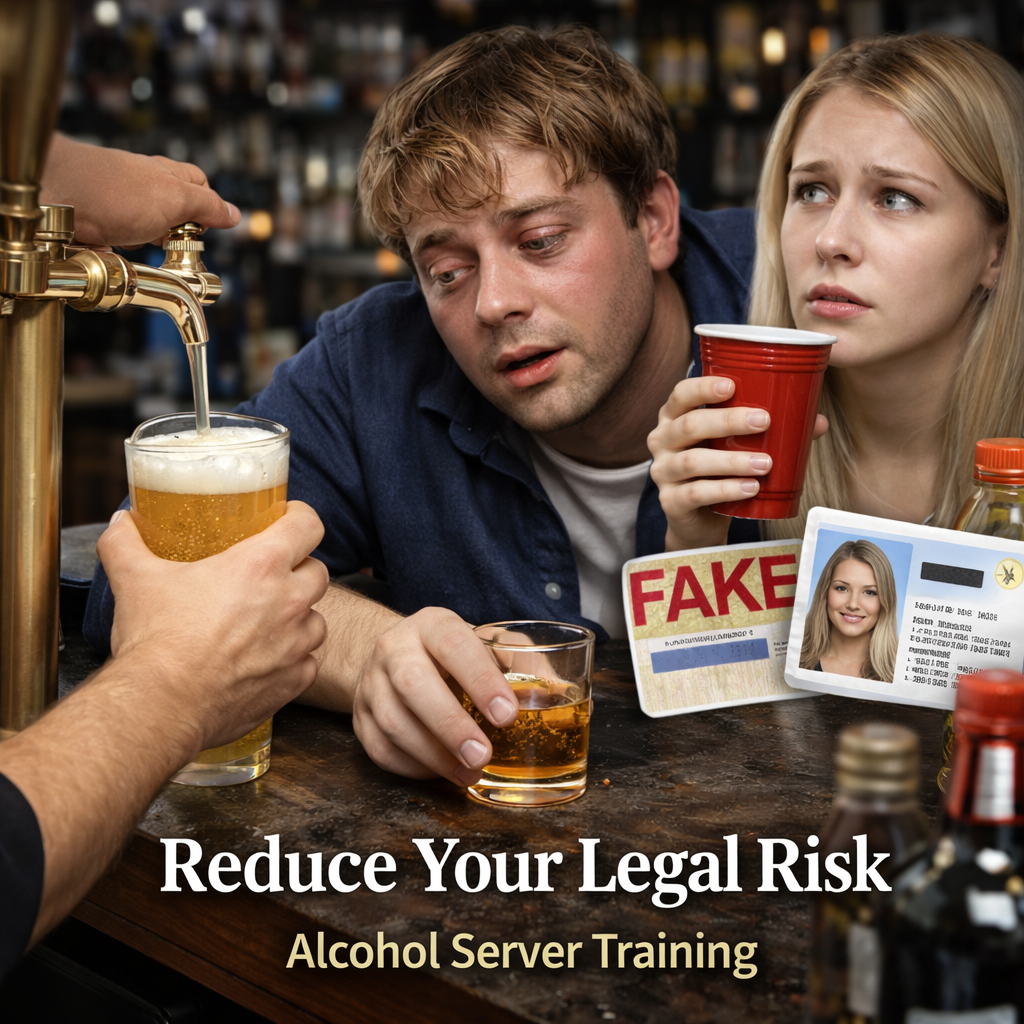
In the restaurant industry, alcohol service is one of the most common sources of legal exposure. Small employee mistakes, such as failing to check ID properly or overserving a guest, can quickly escalate into lawsuits, fines, or even license suspension. For U.S. restaurants, responsible alcohol service is not optional. It is a critical part of compliance, safety, and business protection.
Why Alcohol Liability Is a Serious Business Risk
Serving alcohol comes with legal responsibility. Restaurants can be held liable for the actions of intoxicated patrons, especially if negligence can be proven.
Legal risks tied to alcohol service include:
- Dram shop liability claims
- Fines and penalties from regulatory agencies
- Suspension or revocation of liquor licenses
- Increased insurance costs
- Civil lawsuits related to injuries or accidents
Even a single incident can have long-term financial and reputational consequences.
Common Employee Errors That Lead to Liability
1. Failure to Properly Verify Age
One of the most frequent violations is serving alcohol to underage individuals.
Examples:
- Skipping ID checks during busy shifts
- Accepting expired or fake identification
- Not recognizing signs of ID tampering
Result: Immediate legal penalties and potential license suspension.
2. Overserving Intoxicated Guests
Employees may continue serving alcohol without recognizing visible intoxication.
Examples:
- Ignoring slurred speech or unsteady behavior
- Serving multiple drinks in a short period
- Failing to monitor guest consumption
Result: Increased risk of accidents, injuries, and liability claims.
3. Lack of Proper Refusal Procedures
Refusing service can be uncomfortable, leading some employees to avoid it.
Examples:
- Serving a guest to avoid confrontation
- Refusing service without proper communication
- Escalating situations due to poor handling
Result: Unsafe situations and higher risk of legal action.
4. Poor Documentation of Incidents
Many restaurants fail to document alcohol-related incidents properly.
Examples:
- Not recording refusal of service
- Missing details in incident logs
- Lack of standardized reporting procedures
Result: Weak legal defense in case of disputes or investigations.
5. Inadequate Awareness of Alcohol Effects
Without understanding how alcohol affects the body, employees may underestimate risk.
Examples:
- Misjudging intoxication levels
- Not accounting for factors like food intake or body size
Result: Increased likelihood of overserving and unsafe conditions.
How Training Reduces Alcohol-Related Risks
Most alcohol-related violations stem from lack of awareness or inconsistent practices. Training ensures employees understand both their responsibilities and the consequences of their actions.
Building Responsible Alcohol Service Skills
The Alcohol Server/Seller Training course equips restaurant teams with the knowledge needed to reduce legal exposure and maintain compliance.
Key skills employees develop:
- Understanding responsible alcohol service principles
- Mastering age verification and identifying valid IDs
- Recognizing signs of intoxication early
- Applying proper refusal of service techniques
- Maintaining accurate incident logs for compliance
- Understanding how alcohol is absorbed and affects behavior
Learn more here:
Alcohol Training | TAP Series®
This training helps staff make confident, compliant decisions in real-time service situations.
Best Practices to Minimize Legal Exposure
Restaurants can significantly reduce liability by reinforcing consistent procedures across all staff.
Key actions to implement:
- Require ID checks for all alcohol purchases
- Train staff to recognize and respond to intoxication
- Establish clear refusal-of-service protocols
- Maintain detailed and consistent incident logs
- Use proper signage to reinforce compliance
- Conduct regular refresher training sessions
Creating a Culture of Accountability
Reducing alcohol liability is not just about following rules. It requires a culture where employees understand their role in protecting both the business and its customers.
Strong teams:
- Take responsibility for every alcohol-related decision
- Communicate clearly with guests and coworkers
- Act confidently when refusing service
- Prioritize safety over short-term sales
Conclusion: Protecting Your Business Starts with Responsible Service
Legal exposure from alcohol service often begins with small, preventable mistakes. By investing in structured training and reinforcing responsible service practices, restaurants can protect their licenses, reduce liability, and create a safer environment for everyone. A well-trained team is the foundation of safe and compliant alcohol service operations.