Improving School Safety Culture
Violence Preparedness in Education: Building Safer Schools Through Proactive Planning
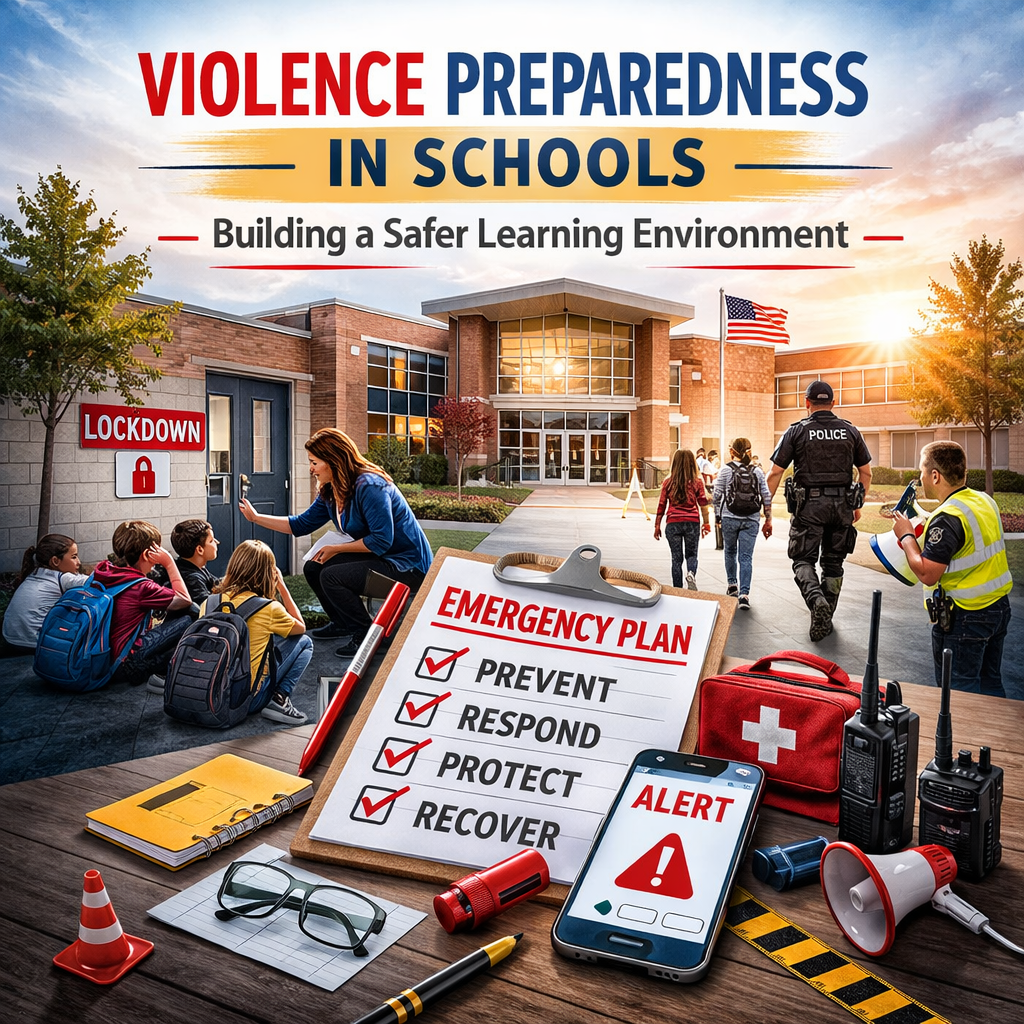
Violence preparedness in schools is no longer optional. Across the United States, education leaders are recognizing that preparedness planning is essential to protect students, staff, and daily operations. Schools are complex environments, and without a structured approach to risk prevention and response, even small warning signs can escalate into serious incidents.
Why Preparedness Planning Matters in Schools
Schools are responsible for more than education. They are responsible for safety, trust, and community confidence.
Without a clear preparedness plan, schools may face:
- Delayed response during emergencies
- Confusion among staff and students
- Increased risk of injury or loss of life
- Regulatory and liability exposure
- Long-term reputational damage
Preparedness planning ensures that everyone knows what to do before, during, and after a critical incident.
Common Gaps in School Violence Preparedness
Many education institutions believe they are prepared, but key gaps often remain:
- Lack of threat recognition training
Staff may miss early warning signs of potential violence. - Unclear emergency procedures
Employees and students are unsure how to respond in real time. - Inconsistent communication protocols
Delays in alerting authorities or internal teams can worsen outcomes. - Limited coordination with law enforcement
Schools may not be aligned with first responders during an incident. - No post-incident recovery plan
Schools struggle to manage the aftermath effectively.
Key Components of an Effective School Preparedness Plan
A strong preparedness strategy focuses on prevention, response, and recovery.
1. Threat Identification and Prevention
- Train staff to recognize behavioral warning signs
- Encourage reporting of suspicious activity
- Establish clear escalation procedures
2. Defined Emergency Response Actions
- Implement structured response methods such as RUN, HIDE, FIGHT
- Conduct regular drills for staff and students
- Assign clear roles and responsibilities
3. Communication and Coordination
- Use reliable systems to alert staff and students quickly
- Maintain direct coordination with local law enforcement
- Ensure leadership can make fast, informed decisions
4. Law Enforcement Interaction Readiness
- Prepare staff to respond appropriately when authorities arrive
- Avoid confusion that could delay emergency response
5. Post-Incident Management
- Provide support for students and staff
- Review response effectiveness
- Update policies and training based on lessons learned
How Training Strengthens Preparedness
Preparedness plans are only effective if people understand and apply them. Training transforms policies into action.
The Active Shooter Awareness course from TAP Series is designed to help schools move from reactive to proactive safety strategies.
Learn more here:
Active Shooter Awareness | Tap Series®
What Schools Gain from Active Shooter Awareness Training
This course equips education professionals with practical, real-world skills:
- Recognize potential threats early
Identify the characteristics of an active shooter and warning signs of workplace violence - Respond effectively during an incident
Apply proven strategies to protect lives in high-pressure situations - Understand the RUN, HIDE, FIGHT approach
Learn when and how to act decisively - Coordinate with law enforcement
Improve response alignment with first responders - Prepare and prevent incidents
Build a proactive safety culture within the school - Manage post-incident consequences
Support recovery and continuous improvement
Who Should Take This Training
- School administrators
- Teachers and faculty
- Support staff
- Security personnel
- District leadership teams
Preparedness is a shared responsibility, and every role matters.
Creating a Culture of Safety in Education
Preparedness planning is not a one-time effort. It is an ongoing commitment to safety, awareness, and improvement.
Schools that invest in training and structured planning:
- Reduce risk exposure
- Improve emergency response outcomes
- Build confidence among parents and communities
- Strengthen compliance with safety expectations
Take Action Before It Is Needed
Violence preparedness in education requires more than policies on paper. It requires trained people, clear plans, and consistent practice.
Equip your school with the tools to act quickly, confidently, and effectively.
Explore the training today:
Active Shooter Awareness | Tap Series®