Safe Workplace Training Restaurant Industry
Workplace Culture in Restaurants: Addressing Harassment Risks and Reducing Turnover
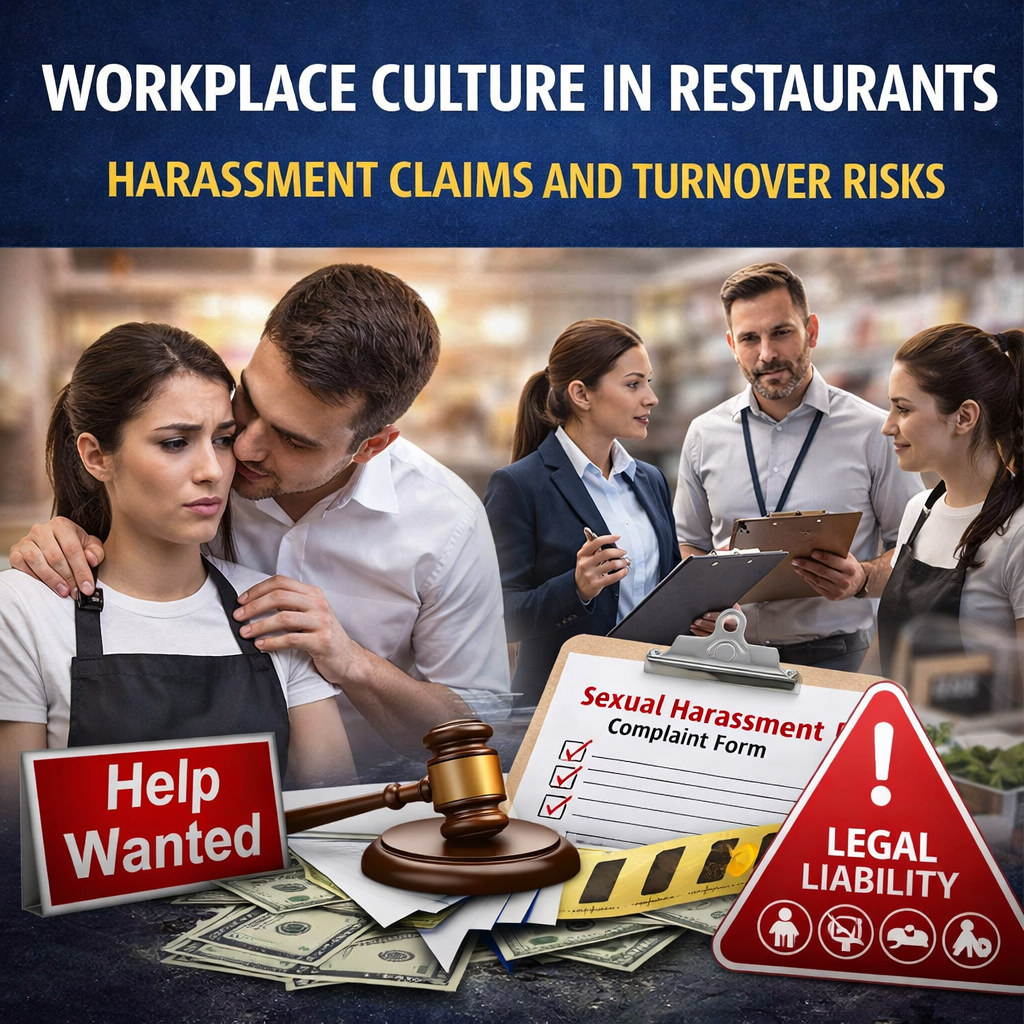
Workplace culture in restaurants directly impacts employee retention, team performance, and legal risk. Harassment claims are one of the fastest ways to disrupt operations, damage reputation, and increase costly turnover. For restaurant operators across the United States, building a respectful and compliant workplace is not optional. It is a business necessity.
Why Harassment Risks Are High in the Restaurant Industry
Restaurants operate in fast-paced, high-pressure environments with diverse teams and constant customer interaction. Without strong policies and training, this creates risk factors such as:
- Close working conditions and long shifts
- Power imbalances between staff and supervisors
- Customer interactions that cross professional boundaries
- Inconsistent enforcement of workplace policies
These conditions can lead to inappropriate behavior going unreported or unaddressed.
The Real Cost of Harassment Claims
Harassment issues do not stay contained. They quickly escalate into operational and financial challenges.
- Increased employee turnover
Staff leave unsafe or uncomfortable environments, increasing hiring and training costs - Legal exposure and compliance violations
Failure to act on complaints can lead to lawsuits and penalties - Decreased morale and productivity
Teams become disengaged when trust is broken - Damage to brand reputation
Negative reviews and public complaints impact customer trust
Warning Signs of a Toxic Workplace Culture
Restaurant leaders must recognize early indicators before issues escalate.
1. High Turnover Rates
- Frequent resignations without clear reasons
- Difficulty retaining new hires
2. Lack of Reporting
- Employees hesitant to speak up
- Fear of retaliation or inaction
3. Inconsistent Policy Enforcement
- Rules applied differently across teams
- Favoritism or overlooked misconduct
4. Poor Communication
- Managers not addressing complaints promptly
- Lack of clarity on reporting procedures
How to Build a Respectful and Compliant Workplace
Strong workplace culture starts with leadership and consistent action.
1. Establish Clear Anti-Harassment Policies
- Define prohibited behaviors clearly
- Communicate expectations during onboarding and ongoing training
2. Train Both Employees and Supervisors
- Ensure employees understand what constitutes harassment
- Equip supervisors to handle complaints properly
3. Encourage Reporting Without Fear
- Provide safe and confidential reporting channels
- Reinforce a zero-retaliation policy
4. Document and Respond to Incidents
- Maintain accurate records of complaints
- Take immediate and appropriate action
5. Lead by Example
- Managers must model respectful behavior
- Accountability should apply at all levels
Training That Protects Your Workplace and Your Team
Training is the foundation of a strong workplace culture. It ensures that employees understand expectations and that supervisors are prepared to act.
TAP Series offers comprehensive training designed specifically for workplace harassment prevention.
Explore the courses here:
Sexual Harassment | TAP Series®
What Employees Learn
- Recognize prohibited behaviors
Understand what qualifies as sexual harassment and why it is unacceptable - Understand legal implications
Learn the consequences of misconduct for individuals and organizations - Apply prevention strategies
Build awareness and contribute to a respectful workplace - Access support resources
Know where and how to seek help if issues arise
What Supervisors Learn
- Define and identify harassment clearly
Understand legal standards and workplace expectations - Understand federal and state requirements
Ensure compliance with applicable laws - Document incidents effectively
Maintain accurate and defensible records - Enforce policies consistently
Take appropriate action to protect employees and the organization
Who Should Take This Training
- Restaurant owners and operators
- General managers and supervisors
- Front-of-house and back-of-house staff
- HR and compliance teams
Every role contributes to workplace culture and risk prevention.
Create a Workplace Where Employees Stay and Thrive
Harassment prevention is not just about avoiding claims. It is about building a workplace where employees feel safe, respected, and motivated to stay.
Restaurants that invest in training and culture:
- Reduce turnover and hiring costs
- Strengthen team collaboration
- Improve customer experience
- Protect against legal and compliance risks
Take the next step in building a safer and stronger workplace culture with restaurant harassment prevention training.