Restaurant Inspection Checklist Compliance
Health Department Inspections: What Restaurants Get Cited for Most
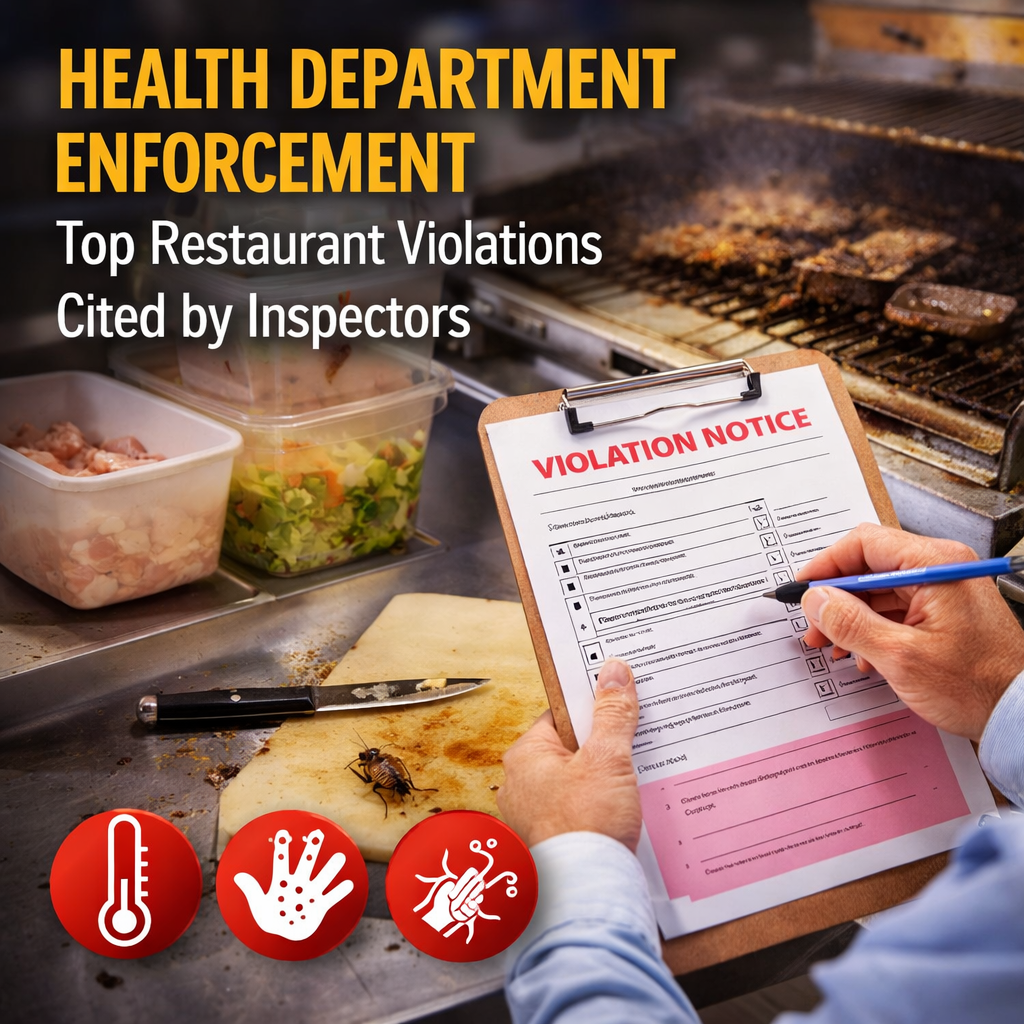
Health department inspections are a routine part of restaurant operations across the United States. While inspections are designed to protect public health, they also expose common gaps in food safety practices that can lead to violations, fines, or even temporary closures.
For many restaurants, violations are not caused by intentional negligence. They often result from inconsistent procedures, lack of training, or breakdowns in daily operations. Understanding the most frequently cited issues can help restaurant teams stay compliant and avoid costly consequences.
Why Health Department Violations Matter
Health inspections focus on reducing the risk of foodborne illness and ensuring safe food handling practices. When violations occur, they can impact more than just compliance scores.
Consequences may include:
- Fines or penalties
- Lower inspection grades that affect customer trust
- Increased scrutiny from regulators
- Temporary shutdowns in severe cases
- Damage to brand reputation
For restaurant operators, preventing violations is not just about passing inspections. It is about protecting customers and maintaining consistent operational standards.
Top Restaurant Violations Cited by Inspectors
While inspection criteria may vary by state, many violations are consistently cited across jurisdictions.
1. Improper time and temperature control
One of the most common violations involves failing to keep food at safe temperatures.
Examples include:
- Hot foods not held at required temperatures
- Cold foods stored above safe limits
- Improper cooling or reheating procedures
Temperature control is critical because bacteria grow rapidly when food is held in unsafe ranges.
2. Poor personal hygiene practices
Employee hygiene plays a direct role in food safety.
Common issues include:
- Improper handwashing
- Employees working while ill
- Lack of proper glove use when handling ready to eat foods
These violations increase the risk of contamination and foodborne illness.
3. Cross contamination risks
Cross contamination occurs when harmful bacteria transfer from one surface or food item to another.
Inspectors often cite:
- Improper separation of raw and ready to eat foods
- Shared equipment without proper cleaning
- Unsafe food handling practices during preparation
4. Inadequate cleaning and sanitizing
Cleanliness is essential in preventing contamination.
Violations may include:
- Dirty food contact surfaces
- Improper sanitizing procedures
- Build up of grease or debris in kitchen areas
5. Pest control issues
The presence of pests such as rodents or insects is a serious violation.
Inspectors may identify:
- Signs of infestation
- Improper waste handling
- Gaps in facility maintenance that allow pests to enter
The Role of Food Safety Training in Compliance
Many of the most common violations are preventable through proper training and consistent procedures. When employees understand food safety principles, they are more likely to follow correct practices during daily operations.
The TAP Series Food Handler training course provides essential knowledge for frontline staff responsible for food preparation and service.
This training helps employees:
- Understand time and temperature control and its role in preventing foodborne illness
- Apply proper personal hygiene practices to reduce contamination risks
- Prevent cross contamination during food handling
- Follow effective cleaning and sanitizing procedures
- Recognize risks at every stage of food handling
For managers and supervisors, the TAP Series Food Safety Manager course provides a deeper level of oversight and control.
This course focuses on:
- Preventing foodborne illness through active managerial control
- Understanding the five most common risk factors identified by regulators
- Implementing HACCP based food safety systems
- Monitoring food flow from receiving to service
- Managing employee health and reporting procedures
- Establishing and maintaining safe food handling guidelines
Together, these programs help restaurants build a structured approach to compliance.
How Restaurants Can Reduce Inspection Risks
Maintaining compliance requires more than preparing for inspection day. It involves consistent daily practices supported by trained staff and clear procedures.
Restaurants can reduce violations by:
1. Standardizing food safety procedures
- Create clear protocols for food handling, storage, and preparation
- Ensure all staff follow the same guidelines
2. Conducting regular internal audits
- Perform routine checks on temperature logs, cleanliness, and food storage
- Address issues before they become violations
3. Reinforcing employee training
- Provide ongoing food safety education
- Ensure new hires receive proper onboarding
4. Strengthening managerial oversight
- Monitor compliance during daily operations
- Hold staff accountable for food safety practices
Turning Compliance Into a Competitive Advantage
Health department inspections should not be viewed as a one time event. They are part of a broader effort to maintain safe and reliable foodservice operations.
Restaurants that prioritize food safety training and consistent procedures are better positioned to avoid violations, protect their customers, and build trust with regulators and the public.
Programs such as the Food Handler training and the Food Safety Manager course from TAP Series provide the knowledge and structure needed to maintain compliance and improve operational performance.
By focusing on prevention and education, restaurants can reduce inspection risks and create safer dining experiences for every customer.