Building Ethical Culture In Schools
Ethics and Accountability in Education: Building Trust Through Professional Conduct
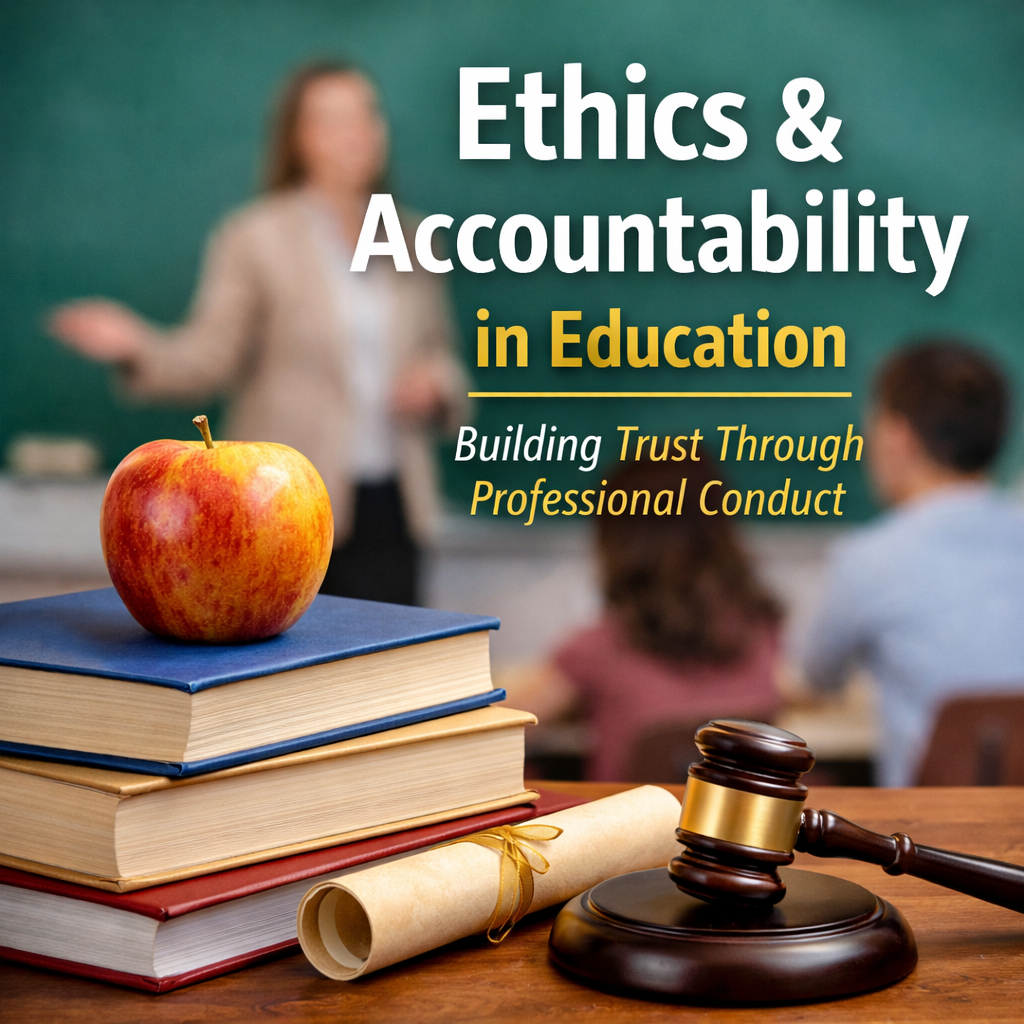
Educational institutions are built on trust, responsibility, and the expectation of ethical behavior at every level. From administrators to educators and support staff, professional conduct directly impacts student safety, institutional reputation, and compliance with regulations. Ethics in education is not just a guideline. It is a daily responsibility that shapes decision-making, behavior, and accountability across the organization.
When ethical standards are unclear or inconsistently applied, even small lapses can escalate into serious risks. Misconduct, conflicts of interest, or failure to uphold professional boundaries can damage credibility and expose institutions to legal and reputational consequences.
Why Professional Ethics Matter in Education
Ethics and accountability ensure that every action taken within an educational environment aligns with fairness, integrity, and responsibility.
Key reasons ethics matter:
- Protects students and staff from harm, bias, and misconduct
- Strengthens institutional credibility with parents, communities, and regulators
- Ensures compliance with federal and state regulations
- Promotes consistency in decision-making across departments
- Builds a culture of trust and transparency
Without a strong ethical foundation, schools risk creating environments where poor judgment and misconduct can go unchecked.
Common Ethical Challenges in Educational Settings
Even well-meaning professionals can encounter situations where the right decision is not always obvious.
Frequent ethical dilemmas include:
- Conflicts of interest in hiring, grading, or procurement
- Maintaining professional boundaries with students
- Handling confidential student or staff information
- Pressure to overlook policy violations
- Bias or favoritism in decision-making
These challenges highlight the need for structured ethics training that provides clear guidance and practical frameworks.
The Role of Accountability in Professional Conduct
Accountability ensures that ethical standards are not only understood but consistently practiced. It reinforces the idea that every individual is responsible for their actions and decisions.
Strong accountability systems include:
- Clear policies and expectations that define acceptable behavior
- Regular training and reinforcement to keep ethics top of mind
- Reporting mechanisms for concerns or violations
- Consistent enforcement of rules and consequences
- Leadership commitment to modeling ethical behavior
When accountability is embedded into daily operations, it reduces risk and strengthens organizational integrity.
How TAP Series Ethics Training Supports Education Professionals
The TAP Series Ethics Training course is designed to help professionals understand, apply, and uphold ethical standards in real-world situations.
Explore the course here:
Ethics Training | Tap Series®
What participants will learn:
- Understanding professional ethics and why they matter in daily responsibilities
- Maintaining independence to avoid conflicts of interest
- Identifying ethical dilemmas and responding appropriately
- Recognizing professional responsibilities and obligations
- Complying with legal and regulatory requirements at both state and federal levels
- Enhancing professional judgment to make sound, ethical decisions
- Promoting an ethical culture within organizations
- Understanding disciplinary actions and consequences of misconduct
This training equips education professionals with practical tools to navigate complex situations while maintaining integrity and compliance.
Creating a Culture of Ethics in Education
Ethics is not a one-time training topic. It is a continuous commitment that must be reinforced through leadership, communication, and daily actions.
Steps to strengthen ethical culture:
- Lead by example at all levels of leadership
- Encourage open communication about ethical concerns
- Provide ongoing training to reinforce standards
- Recognize ethical behavior and accountability
- Continuously review policies to stay aligned with regulations
A strong ethical culture empowers employees to make the right decisions, even in challenging situations.
Conclusion: Ethics as the Foundation of Educational Excellence
Professional ethics and accountability are essential to maintaining trust, ensuring compliance, and protecting the integrity of educational institutions. By investing in structured ethics training and fostering a culture of responsibility, organizations can reduce risk and strengthen their commitment to excellence. Ethics training for education professionals is not just a requirement. It is a strategic advantage that supports long-term success and credibility.