Food Safety Certification For Grocery Employees
Regulatory Reality in Grocery: What Inspectors Actually Look For
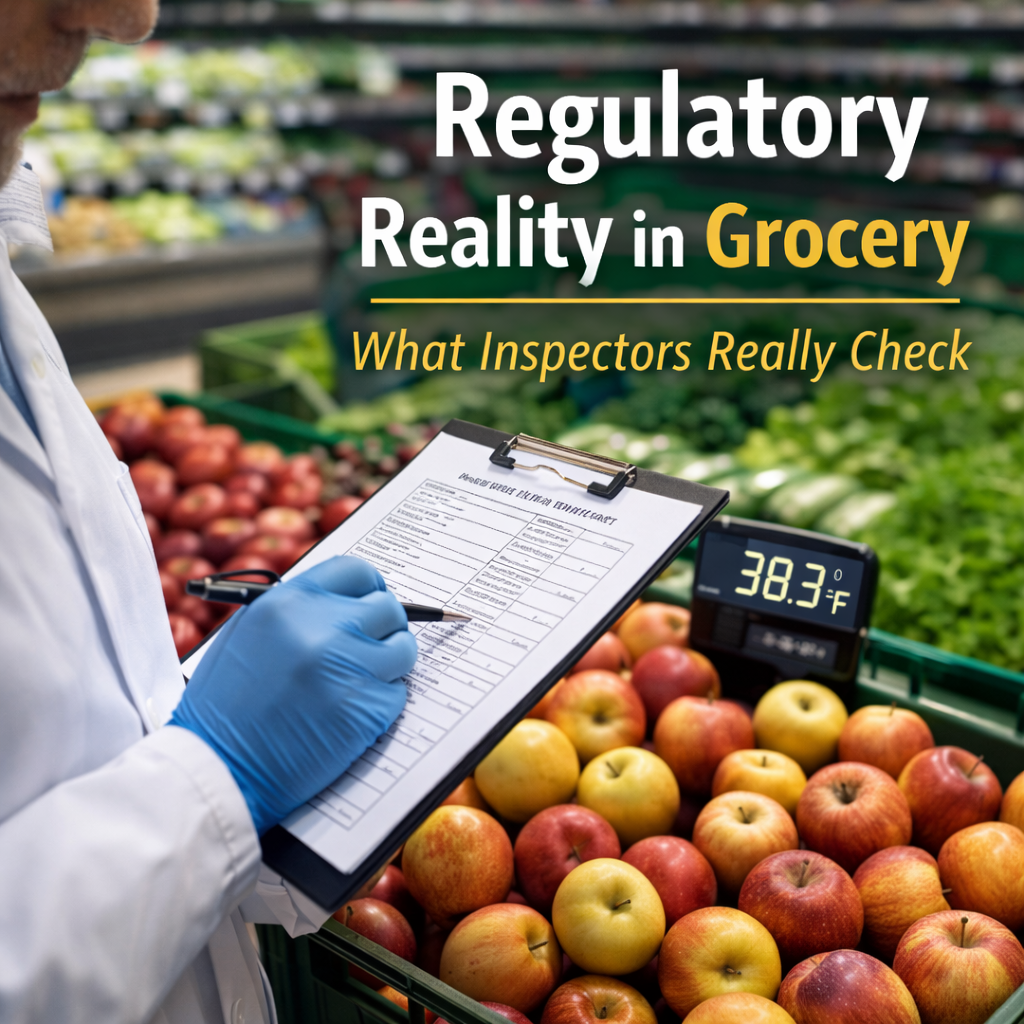
Grocery inspections are not random or subjective. Health inspectors follow strict regulatory frameworks to evaluate food safety practices, employee behavior, and store conditions. For grocery businesses across the United States, understanding what inspectors actually check is critical to avoiding violations, protecting customers, and maintaining operational continuity.
Failing an inspection can lead to fines, temporary closures, or long-term damage to your reputation. The reality is simple. Compliance is not about passing a single inspection. It is about maintaining safe and consistent practices every day.
Why Grocery Inspections Matter More Than Ever
Food safety risks in grocery environments are complex due to high product turnover, varied food types, and multiple handling points.
Inspections help ensure:
- Public health protection by reducing foodborne illness risks
- Regulatory compliance with local and federal food safety laws
- Operational consistency across departments like deli, produce, and bakery
- Employee accountability in following proper food handling procedures
- Consumer confidence in your brand and store safety
Inspectors are trained to spot both obvious violations and small gaps that could lead to serious risks.
What Inspectors Actually Check During Grocery Inspections
Understanding inspection priorities helps your team stay prepared at all times.
Key areas inspectors focus on:
- Time and temperature control
- Proper storage temperatures for hot and cold foods
- Accurate thermometer use and calibration
- Monitoring logs for temperature consistency
- Personal hygiene practices
- Proper handwashing techniques
- Use of gloves when required
- Employee health and illness reporting
- Cross-contamination prevention
- Separation of raw and ready-to-eat foods
- Clean and sanitized surfaces and equipment
- Proper food storage practices
- Cleaning and sanitation standards
- Frequency and effectiveness of cleaning routines
- Sanitizing food contact surfaces
- Overall facility cleanliness
- Food sourcing and storage
- Approved suppliers and safe delivery practices
- Proper labeling and date marking
- Safe storage conditions to prevent spoilage
- Documentation and compliance records
- Food safety logs and checklists
- HACCP-related procedures if applicable
- Employee training records
Inspectors are not just looking for violations. They are assessing whether your systems consistently prevent risk.
The Manager’s Role During Inspections
Managers play a critical role in ensuring inspection readiness and long-term compliance.
Key responsibilities include:
- Implementing food safety systems that align with regulations
- Training employees regularly on proper procedures
- Monitoring daily operations for consistency and accuracy
- Responding to risks quickly before they escalate
- Maintaining documentation that proves compliance
Strong leadership ensures that food safety is not reactive but proactive.
How TAP Series Training Prepares Your Team for Inspections
Proper training is one of the most effective ways to reduce violations and improve inspection outcomes.
Food Handler Training
Food Handler Training | Tap Series®
What employees will learn:
- Time and temperature control fundamentals to prevent foodborne illness
- Personal hygiene best practices and their impact on food safety
- Contamination prevention techniques across all handling stages
- Cleaning and sanitizing procedures for safe food environments
- Risk identification and problem-solving in daily operations
Retail Food Safety Manager Training
Retail Food Safety Manager Certification Training | Tap Series®
What managers will learn:
- Preventing foodborne illness through structured processes
- Understanding the most common risk factors identified by regulators
- Managing employee health and illness reporting
- Controlling cross-contamination risks
- Monitoring the flow of food from delivery to service
- Implementing HACCP-based systems for compliance
These courses equip both frontline staff and managers with the knowledge needed to meet inspection standards confidently.
Turning Inspections Into Opportunities for Improvement
Instead of viewing inspections as a threat, leading grocery organizations treat them as opportunities to strengthen operations.
Best practices for success:
- Conduct internal audits regularly to identify gaps early
- Standardize procedures across all departments
- Reinforce training consistently rather than once a year
- Encourage a culture of accountability at every level
- Use inspection feedback to improve systems and processes
Preparation is not about scrambling before an inspection. It is about building habits that stand up to scrutiny every day.
Conclusion: Stay Ready So You Never Have to Get Ready
Grocery inspections reflect the true state of your food safety practices. By understanding what inspectors check and investing in comprehensive training, organizations can reduce risk, improve compliance, and protect their customers. Food safety training for grocery teams is a practical and necessary step toward passing inspections with confidence and maintaining long-term operational success.