TAP Series Ethics Course
Professional Ethics and Accountability Are Essential in Modern Education Workplaces
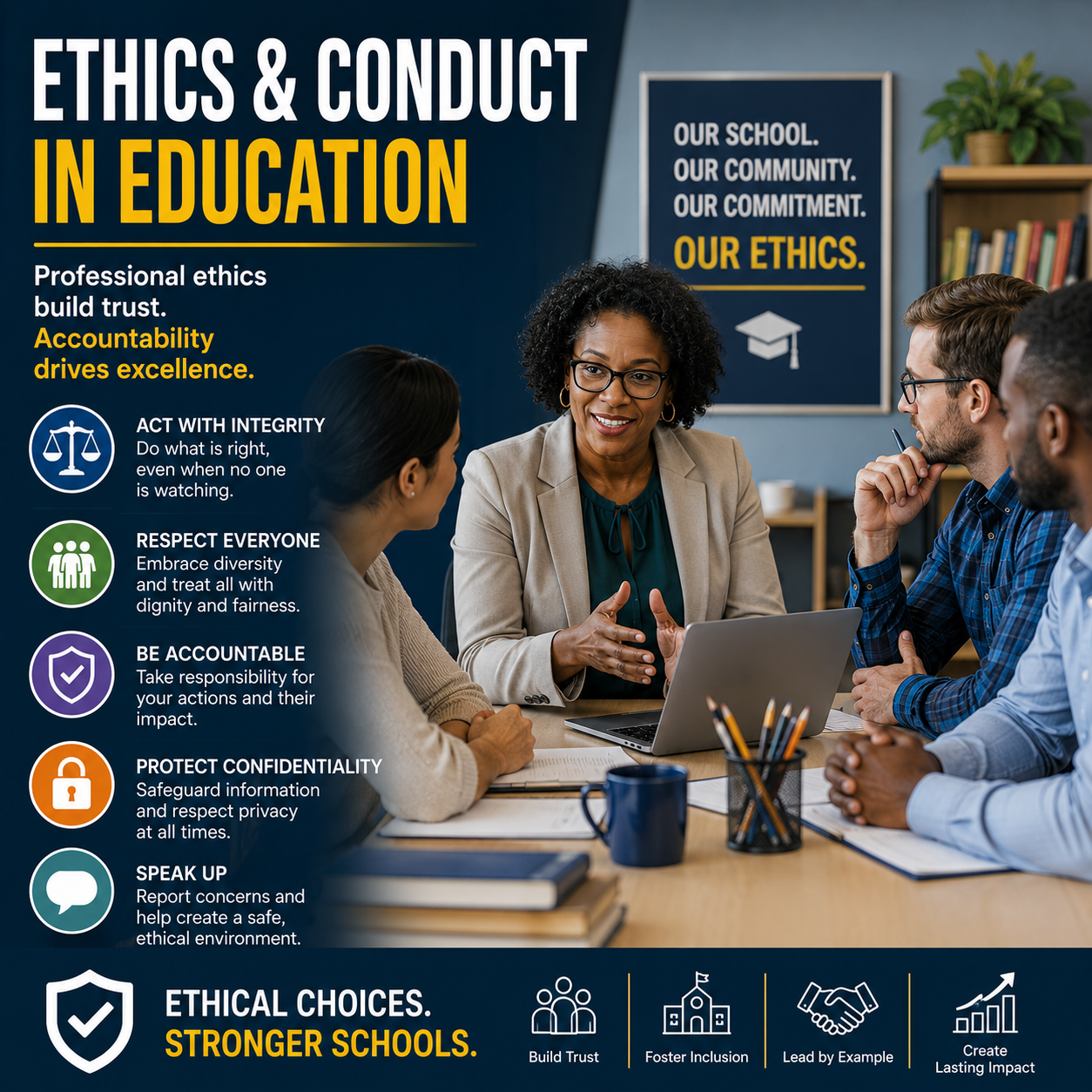
Educational institutions are expected to uphold high standards of professionalism, fairness, accountability, and trust. From school administrators and faculty members to support staff and leadership teams, every employee plays a role in creating a safe, respectful, and ethical learning environment.
As schools, colleges, and educational organizations across the United States face increasing scrutiny around workplace conduct, discrimination concerns, transparency, and compliance, ethics training has become more important than ever. Professional misconduct, biased decision-making, and failures in accountability can damage institutional credibility, employee morale, and student trust.
The Ethics Training Course and DEI Awareness training from TAP Series help education organizations strengthen ethical workplace standards while promoting inclusive and accountable professional behavior.
Why Ethics and Accountability Matter in Education
The education industry operates on trust. Students, parents, employees, and communities rely on educators and administrators to act responsibly and ethically in every interaction and decision.
When ethical standards are not clearly communicated or consistently reinforced, organizations may face:
- Workplace conflicts
- Discrimination complaints
- Harassment allegations
- Favoritism concerns
- Compliance violations
- Reputational damage
- Employee disengagement
- Legal and financial risks
Educational institutions that prioritize ethics training are better equipped to create transparent and respectful workplace cultures.
Common Ethical Challenges in Educational Workplaces
Employees in the education sector often navigate complex professional situations that require sound judgment and accountability.
Maintaining Professional Boundaries
Faculty and staff members must understand appropriate workplace conduct, communication standards, and professional boundaries when interacting with students, colleagues, and families.
Addressing Bias and Inclusion Concerns
Educational organizations are increasingly expected to foster equitable and inclusive environments where all individuals feel respected and supported.
Handling Confidential Information
School employees frequently manage sensitive student, employee, and organizational information. Mishandling confidential data can lead to serious legal and ethical consequences.
Accountability in Leadership Decisions
Administrators and supervisors must make ethical decisions that align with institutional policies, compliance requirements, and organizational values.
The Role of DEI Awareness in Ethical Workplace Culture
Diversity, Equity, and Inclusion awareness is closely connected to workplace ethics and accountability. Employees who understand inclusive workplace practices are more likely to contribute to respectful communication, fair treatment, and positive collaboration.
DEI Awareness training can help education organizations:
- Reduce workplace bias
- Improve team communication
- Support inclusive leadership
- Strengthen employee engagement
- Promote respectful workplace behavior
- Encourage accountability across departments
When ethics and inclusion work together, organizations can create healthier and more productive educational environments.
How Ethics Training Supports Education Professionals
The Ethics Training Course from TAP Series provides employees and leadership teams with practical guidance on professional ethics, workplace accountability, and responsible decision-making.
Key training topics include:
- Understanding professional ethics
- Identifying ethical dilemmas
- Maintaining independence and integrity
- Complying with legal and organizational requirements
- Improving ethical judgment
- Promoting ethical workplace culture
- Understanding consequences of unethical behavior
- Supporting accountability in professional environments
These lessons help employees recognize risks early and make informed decisions that align with organizational standards and expectations.
Building a Strong Ethical Culture in Education Organizations
Ethical workplace culture does not happen automatically. It requires consistent leadership support, employee education, and clear expectations throughout the organization.
Educational institutions can strengthen workplace accountability by:
- Providing ongoing ethics and compliance training
- Reinforcing respectful workplace expectations
- Encouraging transparent communication
- Addressing misconduct concerns promptly
- Supporting diversity and inclusion initiatives
- Promoting leadership accountability
- Creating safe reporting processes for employees
When employees understand both their responsibilities and organizational expectations, schools and educational workplaces become more resilient and collaborative.
Why Proactive Ethics Training Matters for US Education Employers
Professional ethics issues can impact employee retention, organizational reputation, student confidence, and legal compliance. Waiting until problems arise often leads to larger operational and reputational challenges.
By investing in ethics and DEI training, education employers demonstrate commitment to:
- Professional accountability
- Respectful workplace culture
- Inclusive organizational practices
- Compliance awareness
- Responsible leadership
- Long-term institutional trust
Training programs help employees better understand how their decisions and conduct affect the broader educational community.
Strengthen Ethics and Accountability With TAP Series
Educational institutions have a responsibility to foster ethical, respectful, and inclusive environments for employees and students alike. Professional ethics and accountability training provide the foundation for stronger workplace culture and better organizational decision-making.
The Ethics Training Course and DEI Awareness training from TAP Series help education organizations reinforce professionalism, improve workplace conduct, and support a culture of integrity across every level of the institution.