Alcohol Liability Prevention For Restaurants
Alcohol Liability in Restaurants: Legal Exposure From Alcohol Service
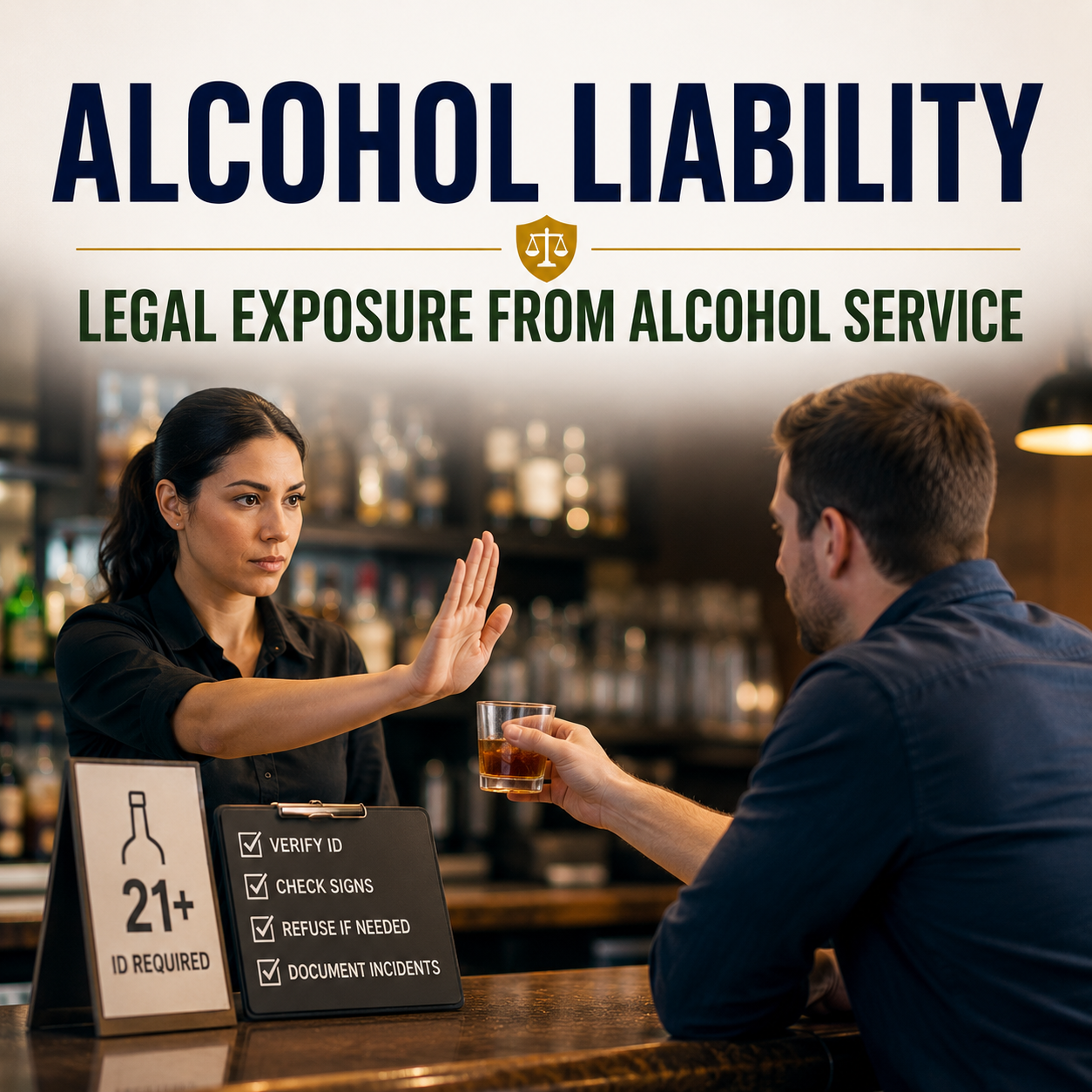
Alcohol service is a major responsibility for restaurants, bars, hotels, and foodservice businesses across the United States. While alcohol sales can significantly contribute to revenue, improper alcohol service can also expose businesses to serious legal, financial, and operational risks. A single mistake involving underage sales, over-service, or poor incident handling can quickly lead to lawsuits, fines, license suspensions, and reputational damage.
For restaurant operators, alcohol liability is not only a compliance issue. It is a workplace safety, customer safety, and risk management concern. Proper employee training helps reduce legal exposure while supporting safer and more responsible alcohol service practices.
TAP Series’ Alcohol Training course helps restaurants strengthen responsible beverage service knowledge, improve compliance awareness, and prepare employees to manage alcohol-related situations more effectively.
Alcohol Training Course:
Alcohol Training | TAP Series®
Why Alcohol Liability Matters in the Restaurant Industry
Restaurants that serve alcohol have legal responsibilities tied to customer safety and regulatory compliance. Employees who fail to recognize intoxication signs, verify identification properly, or follow refusal procedures can unintentionally place both customers and businesses at risk.
Common alcohol-related liability risks include:
- Serving alcohol to minors
- Over-serving intoxicated customers
- Failure to verify identification correctly
- Alcohol-related accidents or injuries
- Customer violence or disruptive behavior
- Incomplete incident documentation
- Failure to follow local alcohol regulations
In many cases, businesses may face liability even after customers leave the premises if alcohol service contributed to harmful incidents.
How Alcohol Service Mistakes Create Legal Exposure
Many alcohol-related violations begin with small operational mistakes during busy service hours.
Common examples include:
- Failure to Verify Identification Properly
Employees may overlook signs of fake or altered identification during high-volume service periods.
- Over-Serving Intoxicated Customers
Staff may continue serving visibly impaired customers without recognizing intoxication warning signs.
- Poor Incident Documentation
Restaurants that fail to maintain incident logs may struggle to defend themselves during investigations or legal disputes.
- Unsafe Customer Situations
Intoxicated guests may become aggressive, disruptive, or involved in accidents that create additional liability concerns.
- Improper Refusal of Service
Employees who are not trained on refusal procedures may escalate situations unnecessarily or fail to enforce compliance properly.
These situations can lead to lawsuits, liquor license penalties, insurance claims, regulatory violations, and long-term brand damage.
The Financial and Operational Impact of Alcohol Liability
Alcohol-related incidents affect more than legal compliance. Restaurants may experience serious financial and operational consequences following alcohol service violations.
Potential impacts include:
- Lawsuits and legal settlements
- Liquor license suspension or revocation
- Increased insurance premiums
- Negative media attention
- Employee safety concerns
- Customer injuries or property damage
- Operational disruption and staff turnover
Restaurants that prioritize responsible alcohol service are often better positioned to reduce incidents and maintain safer customer environments.
Why Alcohol Training Matters
Proper training helps employees understand the responsibilities associated with alcohol service and equips them to make safer decisions during customer interactions.
The TAP Series Alcohol Training course provides practical education designed to support responsible alcohol service and compliance awareness.
Alcohol Training | TAP Series®
Key learning topics include:
- Responsible Alcohol Service
Employees learn best practices that help support safer beverage service environments.
- Recommended Signage
Staff gain awareness of how signage supports safety and compliance efforts.
- Alcohol Server Responsibilities
Employees understand their responsibilities related to alcohol service, customer safety, and compliance.
- Age Verification Mastery
Teams learn how to identify valid forms of identification and recognize potential tampering or forgery.
- Refusal of Service Expertise
Employees learn when and how to refuse alcohol service appropriately.
- Purpose of Incident Logs
Staff understand the importance of documenting incidents properly for operational transparency and legal protection.
- Alcohol Absorption Knowledge
Employees gain a better understanding of how alcohol affects the body and customer behavior.
Building a Safer Alcohol Service Environment
Responsible alcohol service requires consistent training, communication, and operational accountability. Restaurants can strengthen alcohol safety practices by creating clear procedures and reinforcing employee awareness regularly.
Best practices include:
- Providing ongoing alcohol service training
- Reinforcing ID verification procedures
- Encouraging early intervention during customer intoxication
- Maintaining accurate incident logs
- Improving communication between managers and staff
- Reviewing local alcohol compliance requirements regularly
Employees who understand alcohol liability risks are more likely to make safer and more confident service decisions.
Reduce Alcohol Liability Through Better Employee Training
Alcohol service mistakes can quickly create serious legal exposure for restaurants and foodservice businesses. As compliance expectations and liability risks continue to grow, employee education remains one of the most effective tools for reducing operational risk.
The Alcohol Training course from TAP Series helps restaurants strengthen responsible beverage service practices, improve compliance awareness, and support safer alcohol service environments through practical employee training.