OSHA Hazard Awareness Training
Understanding OSHA Violations in Retail Operations
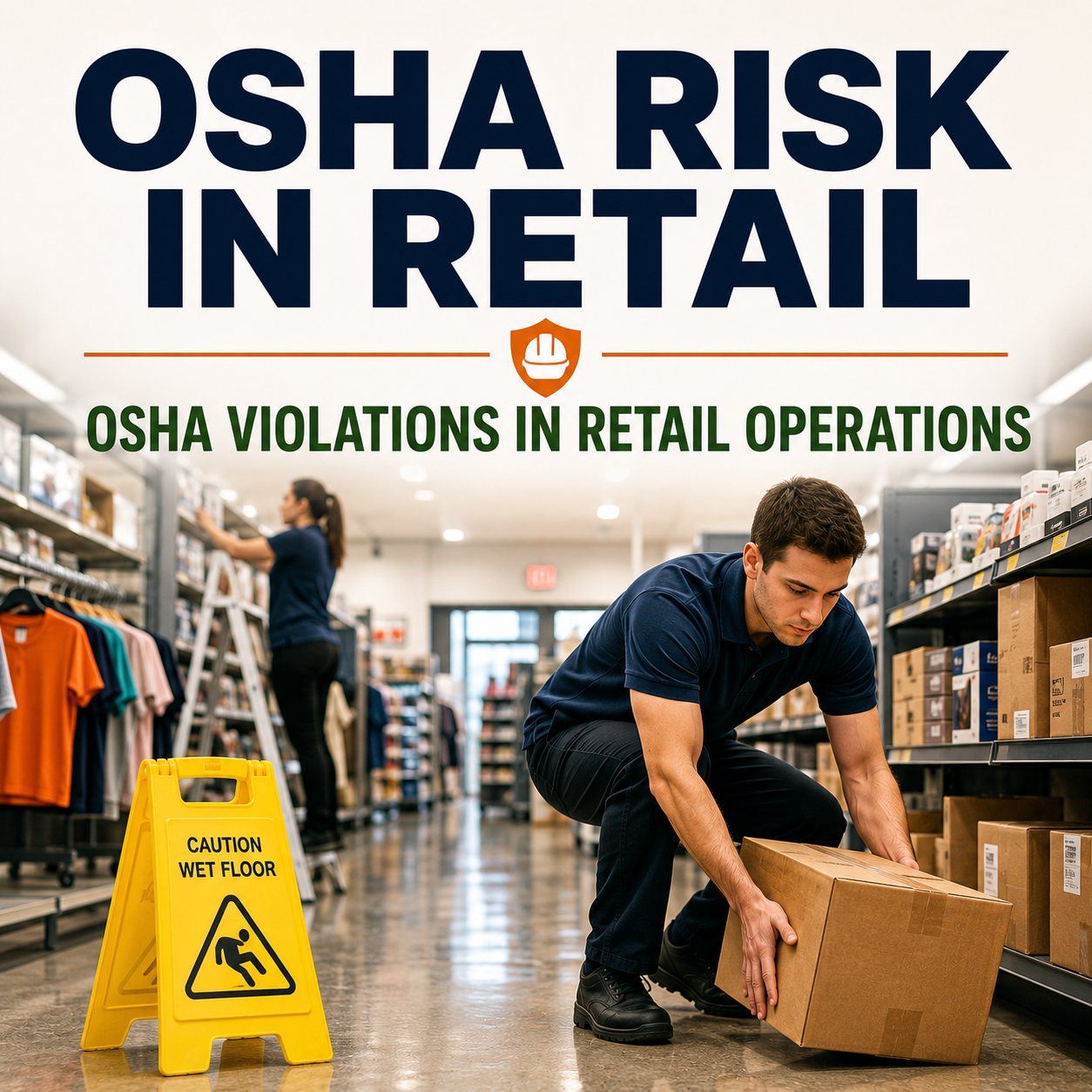
Retail environments may appear low risk compared to construction or industrial workplaces, but retail operations continue to face serious workplace safety challenges that can lead to OSHA violations, employee injuries, and costly compliance issues. From stockrooms and loading areas to sales floors and customer service counters, retail employees are exposed to daily operational hazards that require proper safety awareness and training.
For U.S. retailers, OSHA compliance is more than a regulatory requirement. It is an important part of protecting employees, reducing operational risk, and maintaining safe workplace conditions. Small safety oversights can quickly become reportable incidents, inspection violations, or long-term liability concerns when workplace hazards are ignored or poorly managed.
TAP Series’ OSHA Safety Awareness training helps retail businesses strengthen workplace safety knowledge, improve hazard recognition, and support safer retail operations.
OSHA Safety Awareness Training:
TAP Series® | Training And Cloud Solutions
Why OSHA Compliance Matters in Retail Operations
Retail employees perform a wide range of physical tasks throughout the workday. Stock handling, ladder use, lifting, cleaning, equipment operation, and customer interaction all create workplace safety risks that employers must address properly.
Common OSHA-related risks in retail include:
- Slips, trips, and falls
- Improper lifting techniques
- Blocked exits and unsafe walkways
- Falling merchandise or unstable shelving
- Unsafe ladder use
- Electrical hazards
- Poor housekeeping and sanitation
- Workplace violence incidents
- Inadequate employee safety training
Retail businesses that fail to manage these hazards effectively may face OSHA citations, employee injuries, increased insurance costs, and operational disruption.
How OSHA Violations Happen in Retail Environments
Many OSHA violations in retail operations result from small daily safety failures that become ongoing workplace risks over time.
Common examples include:
- Blocked Emergency Exits
Merchandise, boxes, or equipment placed near exits may create evacuation hazards during emergencies.
- Unsafe Stockroom Conditions
Cluttered aisles, unstable inventory stacking, or poor housekeeping increase injury risks for employees.
- Improper Ladder Use
Employees using damaged ladders or unsafe climbing practices may suffer preventable falls.
- Poor Material Handling Practices
Repetitive lifting, pushing, or carrying heavy items without proper techniques can result in workplace injuries.
- Failure to Address Spills Quickly
Wet floors and unattended hazards create slip-and-fall risks for both employees and customers.
- Lack of Safety Awareness Training
Employees who are unaware of workplace hazards may unintentionally create unsafe conditions during daily operations.
These issues may seem minor individually, but repeated safety failures can lead to OSHA inspections, citations, and workplace injuries.
The Financial and Operational Impact of OSHA Violations
Workplace safety incidents affect more than compliance records. OSHA violations can create long-term financial and operational consequences for retailers.
Potential impacts include:
- OSHA fines and penalties
- Workers’ compensation claims
- Employee injuries and lost productivity
- Increased insurance premiums
- Operational downtime
- Employee turnover and morale concerns
- Reputational damage
Retailers that prioritize workplace safety training are often better prepared to reduce incidents and maintain safer operational environments.
Why OSHA Safety Awareness Training Matters
Employees are often the first line of defense against workplace hazards. Safety awareness training helps teams recognize risks early, follow safer procedures, and support compliance efforts consistently.
TAP Series’ OSHA Safety Awareness training helps retail employees build practical workplace safety knowledge that supports safer day-to-day operations.
TAP Series® | Training And Cloud Solutions
Important areas of workplace safety awareness include:
- Hazard Recognition
Employees learn how to identify common workplace risks before they become incidents.
- Safe Material Handling
Staff gain awareness of safer lifting, carrying, and stocking practices.
- Slip, Trip, and Fall Prevention
Teams understand how housekeeping and hazard response help reduce injury risks.
- Emergency Preparedness
Employees improve awareness of evacuation routes, emergency procedures, and workplace response expectations.
- General Workplace Safety Responsibilities
Staff develop stronger awareness of how daily actions affect workplace safety and compliance.
Building a Safer Retail Workplace
Retail safety requires continuous attention and operational accountability. Businesses that reinforce safety awareness regularly are often better positioned to reduce OSHA-related risks and maintain safer work environments.
Retailers can strengthen workplace safety efforts by:
- Providing regular OSHA safety awareness training
- Conducting workplace hazard inspections
- Reinforcing housekeeping and sanitation procedures
- Monitoring stockroom organization and storage practices
- Reviewing emergency procedures with employees
- Encouraging employees to report hazards immediately
Employees who understand workplace risks are more likely to make safer decisions during daily operations.
Reduce OSHA Risk Through Better Safety Awareness
OSHA violations in retail operations often begin with small workplace safety mistakes that go unaddressed. As compliance expectations and workplace safety concerns continue to grow, employee training remains one of the most effective ways to reduce operational risk.
TAP Series’ OSHA Safety Awareness training helps retailers improve workplace hazard awareness, strengthen safety practices, and support safer retail environments through practical employee education.