TAP Series Sexual Harassment Training
Workplace Culture in Restaurants: Reducing Harassment Claims and Turnover Risks
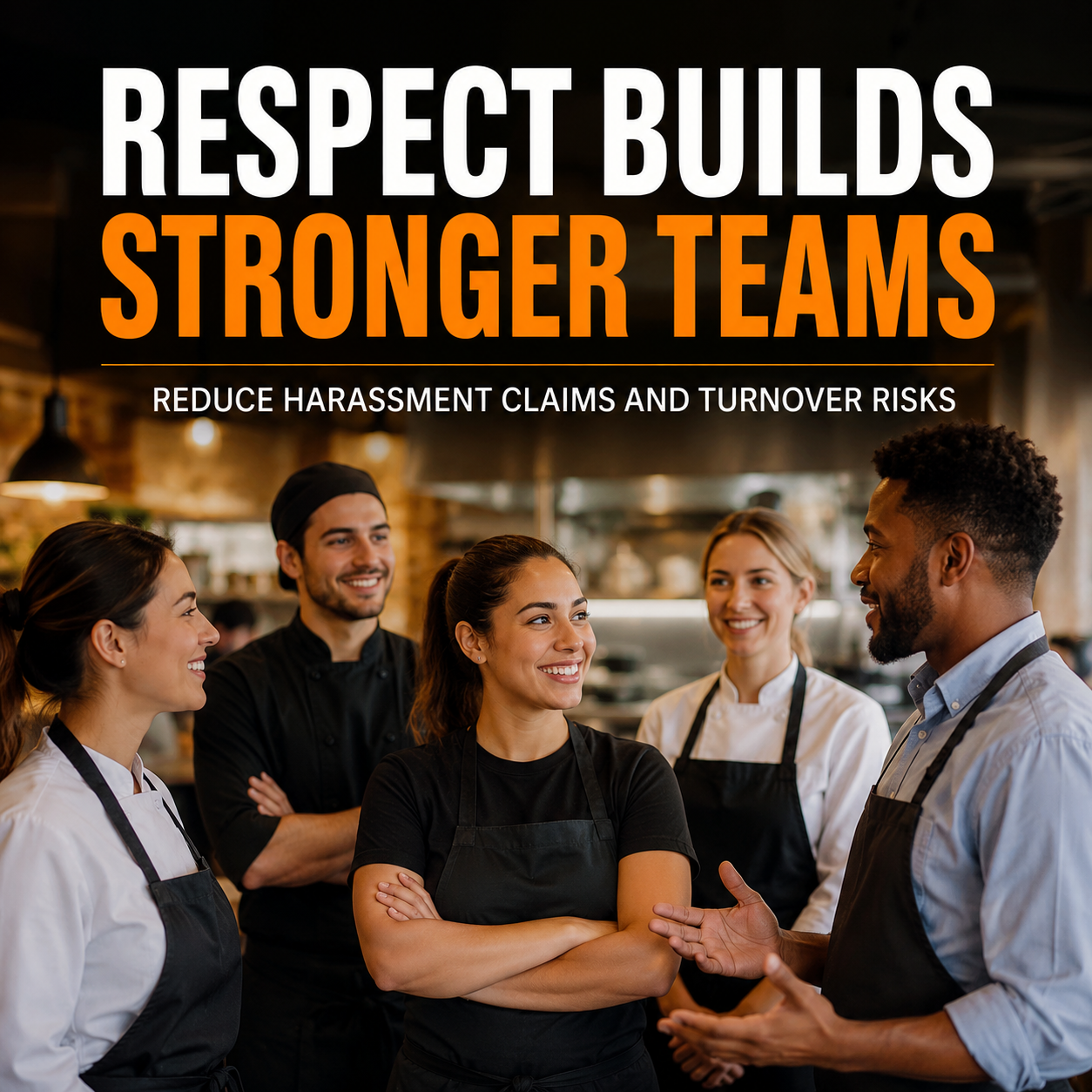
The restaurant industry depends on teamwork, communication, and fast paced collaboration. From front of house staff to kitchen crews and management teams, every employee contributes to the guest experience. However, when workplace culture becomes toxic or harassment concerns are ignored, restaurants face more than morale problems. They face employee turnover, legal claims, reputational damage, and operational instability.
For restaurant owners, operators, and managers across the United States, creating a respectful workplace is no longer optional. It is a critical business responsibility.
Why Workplace Culture Matters in Restaurants
Restaurants are high pressure environments where employees work long hours, interact closely with coworkers, and manage stressful situations daily. Without clear expectations and proper training, inappropriate behavior can become normalized.
Poor workplace culture often leads to:
- Increased employee resignations
- Low staff morale and disengagement
- Customer service inconsistencies
- Higher recruitment and onboarding costs
- Harassment complaints and lawsuits
- Management liability concerns
In an industry already facing staffing shortages, losing experienced employees due to workplace issues creates long term operational challenges.
The Connection Between Harassment Claims and Employee Turnover
Many restaurant employees leave jobs because they do not feel respected, protected, or heard. In some cases, workers may avoid reporting harassment because they fear retaliation or believe management will not act.
This creates a dangerous cycle:
- Employees experience or witness inappropriate behavior
- Complaints are ignored or poorly handled
- Team trust declines
- Staff turnover increases
- Restaurant reputation suffers
- Legal exposure grows
Harassment claims can involve:
- Verbal harassment
- Inappropriate jokes or comments
- Unwanted physical contact
- Gender discrimination
- Retaliation after reporting concerns
- Abuse of authority by supervisors
For restaurant businesses operating across multiple locations, even one unresolved issue can create significant financial and legal consequences.
Managers Play a Critical Role in Restaurant Culture
Supervisors and restaurant managers set the tone for workplace behavior. Employees often look to leadership when deciding whether a workplace feels safe and professional.
Managers who fail to respond appropriately to complaints can unintentionally increase company liability. This is why leadership training is essential in the restaurant industry.
Strong restaurant leaders should:
- Address complaints immediately
- Document incidents properly
- Maintain confidentiality
- Communicate clear behavioral expectations
- Prevent retaliation
- Encourage respectful communication among staff
Training supervisors to recognize and respond to workplace harassment helps reduce risk before situations escalate.
Building a Safer and More Respectful Restaurant Workplace
Restaurants that prioritize workplace culture often experience stronger employee retention and better team performance. A respectful environment also improves guest interactions and strengthens brand reputation.
Effective prevention strategies include:
- Clear anti harassment policies
- Consistent employee training
- Supervisor accountability
- Open reporting procedures
- Regular workplace culture evaluations
- Ongoing communication about respect and professionalism
Training should not only focus on compliance. It should also help employees understand how respectful behavior supports teamwork and daily restaurant operations.
Sexual Harassment Training for Restaurant Teams
TAP Series provides practical and accessible training solutions designed to help restaurants create safer workplaces while reducing legal and operational risks.
The following course help restaurant businesses educate both employees and supervisors::
Sexual Harassment Training | TAP Series®
These courses help restaurant teams:
- Understand workplace harassment laws
- Recognize inappropriate conduct
- Learn reporting responsibilities
- Prevent retaliation
- Build professional communication habits
- Support a respectful workplace culture
The training is designed to fit busy restaurant operations while helping organizations meet workplace compliance expectations.
Workplace Culture Is a Business Protection Strategy
Restaurants that invest in workplace culture are investing in operational stability. Employees are more likely to stay with organizations where they feel respected, supported, and protected.
Reducing harassment risks is not only about avoiding lawsuits. It is about creating an environment where restaurant teams can work confidently and perform at their best.
For restaurant businesses across the United States, proactive workplace harassment training helps protect employees, managers, brand reputation, and long term business growth.
Conclusion
Restaurant businesses cannot afford to ignore the impact of workplace behavior on employee retention and operational success. Building a respectful and accountable workplace culture helps reduce turnover, improve morale, and strengthen overall team performance. With proper sexual harassment prevention training, restaurants can create safer environments that support both employees and long term business success.