Real Estate Investing
Red Flags to Watch for When Viewing a Property
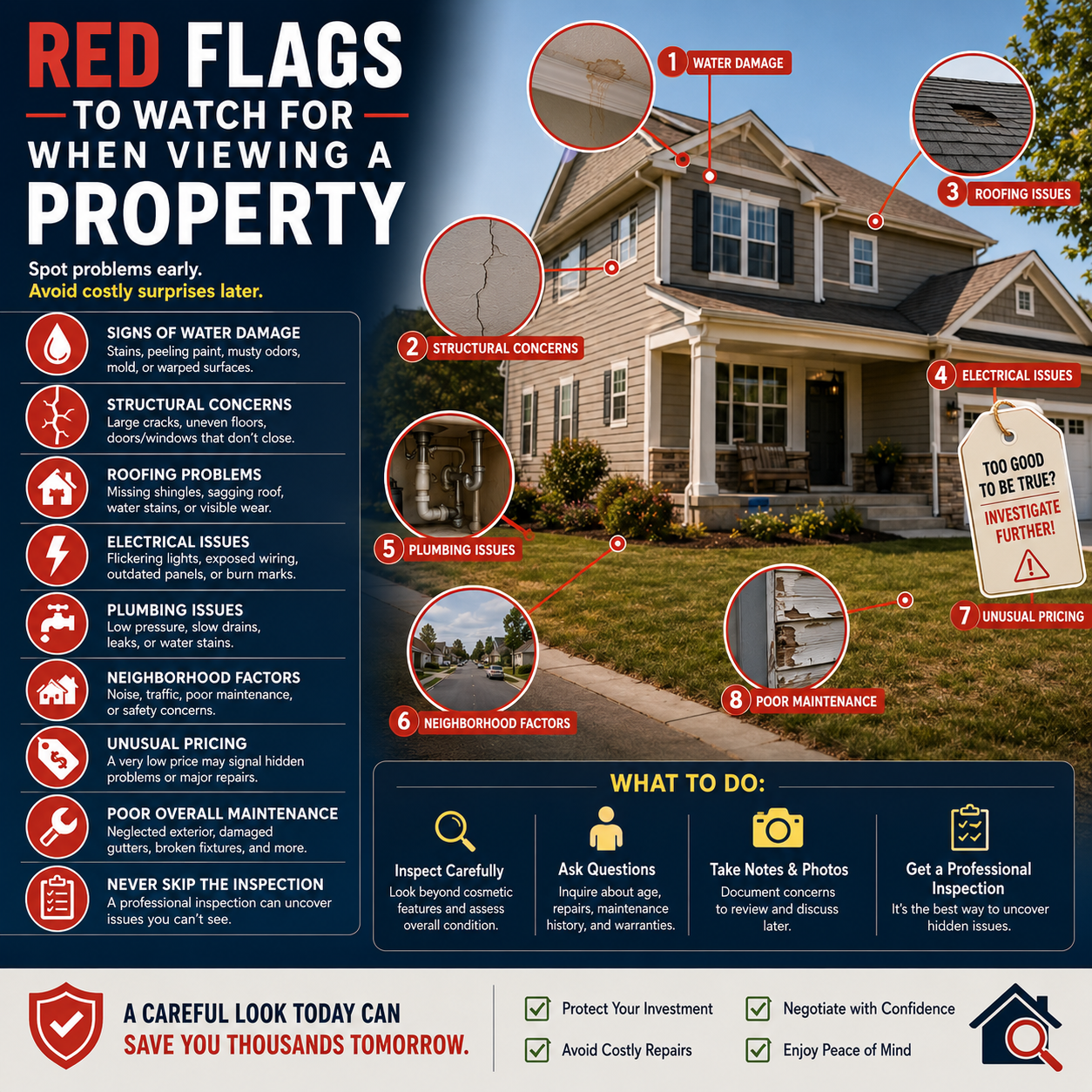
Buying a property is one of the most significant financial decisions most people will ever make. While it is easy to be impressed by attractive staging, modern finishes, or a desirable location, experienced buyers know that appearances do not always tell the full story.
A property viewing is more than an opportunity to imagine living in a space, it is a chance to identify potential issues that could affect safety, comfort, maintenance costs, and future property value. Overlooking warning signs can lead to expensive repairs, legal complications, or buyer's remorse after the purchase is complete.
Whether you are a first-time homebuyer or a seasoned investor, knowing what red flags to watch for can help you make a more informed decision and avoid costly mistakes.
Look Beyond Cosmetic Improvements
One of the most common mistakes buyers make is focusing too heavily on cosmetic features.
Fresh paint, stylish furniture, updated fixtures, and attractive landscaping can create a strong first impression. However, cosmetic upgrades can sometimes distract buyers from underlying issues that may be far more expensive to address.
When viewing a property, try to assess the home's overall condition rather than its appearance. Ask yourself whether improvements are truly enhancing the property or simply masking potential problems.
A beautifully renovated kitchen, for example, may not matter much if the home has foundation issues, outdated electrical systems, or significant water damage.
Signs of Water Damage
Water damage is one of the most serious issues a buyer can encounter because it can lead to structural deterioration, mold growth, and costly repairs.
During a property viewing, pay attention to:
- Water stains on ceilings or walls
- Peeling paint or wallpaper
- Warped flooring
- Musty odors
- Visible mold or mildew
- Signs of previous flooding
Even if damage appears minor, it is worth investigating further. Water intrusion can indicate roofing problems, plumbing leaks, drainage issues, or foundation concerns.
Because moisture-related issues often worsen over time, they should never be ignored during the buying process.
Cracks and Structural Concerns
Not all cracks are cause for alarm, but certain types can indicate significant structural problems.
Watch for:
- Large cracks in walls
- Uneven floors
- Doors or windows that do not close properly
- Visible foundation cracks
- Sloping or sagging ceilings
These issues may suggest foundation movement, settling, or structural instability.
While some structural concerns can be repaired, they often involve substantial costs. A professional inspection is essential whenever structural warning signs are present.
Roofing Problems
The roof is one of the most expensive components of a property to replace. Unfortunately, buyers often overlook its condition during viewings.
Potential warning signs include:
- Missing or damaged shingles
- Sagging rooflines
- Water stains near ceilings
- Visible wear and deterioration
- Signs of previous patchwork repairs
An aging or damaged roof may require replacement sooner than expected, resulting in significant post-purchase expenses.
If the roof appears questionable, buyers should ask about its age, maintenance history, and any previous repairs.
Electrical and Plumbing Issues
Many of the most expensive property problems are hidden behind walls and beneath floors. However, there are still signs that may indicate underlying electrical or plumbing concerns.
Potential electrical red flags include:
- Flickering lights
- Exposed wiring
- Outdated electrical panels
- Insufficient outlets
- Burn marks near switches
Potential plumbing concerns may include:
- Low water pressure
- Slow drains
- Water stains under sinks
- Signs of leaks
- Unusual pipe materials
These systems play a critical role in daily living, and repairs can become expensive if major upgrades are required.
Pay Attention to the Neighborhood
A property's value is influenced not only by the home itself but also by its surrounding environment.
A house can be renovated, but its location cannot be changed.
During your visit, evaluate factors such as:
- Traffic patterns
- Noise levels
- Property maintenance in neighboring homes
- Nearby commercial developments
- Access to schools, healthcare, and transportation
- Community safety
It is also beneficial to visit the area at different times of the day. A quiet neighborhood during a weekday afternoon may feel very different during evenings or weekends.
Understanding the surrounding community helps buyers assess both quality of life and future resale potential.
Unusual Property Pricing
While everyone wants a good deal, an unusually low asking price should prompt further investigation.
Properties priced significantly below comparable homes in the area may have hidden issues such as:
- Structural defects
- Legal disputes
- Environmental concerns
- Extensive repair requirements
- Difficult resale history
Low pricing does not automatically indicate a problem, but buyers should approach such opportunities with careful due diligence.
If something seems too good to be true, it is worth asking why.
Poor Maintenance Throughout the Property
A property's overall maintenance can reveal how well it has been cared for over the years.
Signs of neglect may include:
- Damaged gutters
- Overgrown landscaping
- Broken fixtures
- Peeling paint
- Cracked driveways
- Deteriorating exterior surfaces
While individual maintenance issues may seem minor, widespread neglect can indicate deeper problems that have gone unaddressed.
A homeowner who ignores visible maintenance may also have postponed necessary repairs that are not immediately apparent.
Trust the Inspection Process
Even experienced buyers cannot identify every issue during a viewing.
This is why professional inspections remain one of the most important steps in the purchasing process. Inspectors evaluate areas that buyers may overlook and can identify concerns involving:
- Structure and foundation
- Roofing
- Plumbing systems
- Electrical systems
- HVAC equipment
- Moisture intrusion
- Safety hazards
An inspection report provides valuable information that can support negotiations, influence purchase decisions, or prevent expensive surprises after closing.
Final Thoughts
Viewing a property is about much more than deciding whether you like the layout or finishes. It is an opportunity to evaluate the condition, safety, and long-term value of a significant financial investment.
By looking beyond cosmetic features and paying close attention to signs of water damage, structural issues, roofing concerns, neighborhood conditions, and maintenance problems, buyers can reduce risk and make more informed decisions.
The most successful property purchases are often made by buyers who approach viewings with a critical eye and a willingness to investigate potential concerns. Taking the time to identify red flags before making an offer can help protect both your finances and your future homeownership experience.