Workplace Conduct Policies
How Employers Should Respond to Sexual Harassment Complaints in Restaurants
Background of the Case
The U.S. Equal Employment Opportunity Commission (EEOC) announced that Minden Seafood, LLC, and Dorcheat Seafood, LLC agreed to settle a sexual harassment and retaliation lawsuit for $34,000. The companies operate Minden Seafood and Dorcheat Seafood and Grill in Louisiana.
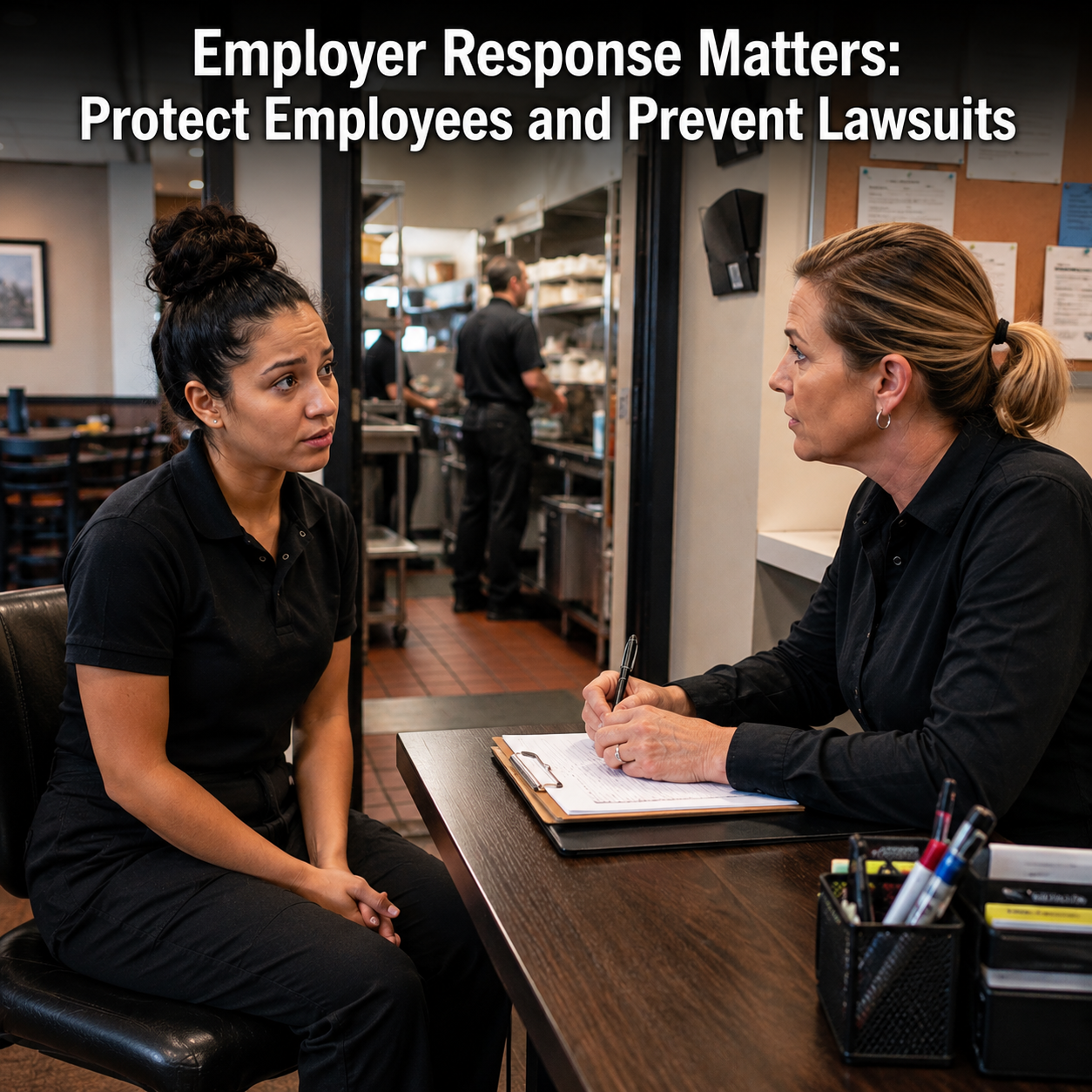
According to the EEOC, the lawsuit involved allegations that a female cashier experienced ongoing sexual harassment from a male cook while employed at Minden Seafood. The case highlights the importance of employer response when employees report workplace harassment and request protection from inappropriate conduct.
Details of the Incident
According to the EEOC's allegations, a male cook repeatedly subjected a female cashier to unwanted sexually suggestive comments and propositions. The complaint further states that the employee was followed into a women's restroom, where the cook allegedly exposed himself to her.
The lawsuit alleges that the employee reported the behavior to management and requested work schedules that would limit contact with the alleged harasser. According to court filings, management failed to take effective action to address the complaint or protect the employee from further misconduct.
The EEOC also alleged that the employee ultimately felt compelled to resign from her position in November 2021 because of the hostile work environment. In addition, the lawsuit claimed that she was later denied employment at a related restaurant operated by the same ownership group.
Legal Background
Title VII of the Civil Rights Act of 1964 prohibits workplace discrimination based on sex, including sexual harassment. The law also prohibits retaliation against employees who report discrimination, harassment, or other unlawful workplace conduct.
Sexual harassment may include:
- Unwanted sexual comments
- Sexual propositions
- Inappropriate physical conduct
- Repeated behavior that creates an intimidating, hostile, or offensive work environment
When employers become aware of potential harassment, they are generally expected to promptly investigate complaints and take appropriate corrective action when necessary.
The EEOC alleged that the conduct in this case violated Title VII's protections against sex discrimination and retaliation.
Settlement Status and Relief Sought
The lawsuit was resolved through a four-year consent decree approved by the court.
Under the settlement agreement, the employers agreed to:
- Pay $34,000 to the former employee for back pay and emotional distress damages
- Conduct workplace harassment training
- Revise employment policies
- Provide periodic reports to the EEOC
- Post notices informing employees of their rights under Title VII
The settlement resolves the litigation without a finding of liability.
Key Takeaways from the Case
Employers can learn several important compliance lessons from this case:
- Take every harassment complaint seriously
- Respond promptly to employee concerns
- Document complaints and investigative actions
- Protect employees from continued exposure to alleged misconduct during investigations
- Ensure managers understand reporting and escalation procedures
- Avoid actions that could be perceived as retaliation
Even small businesses and independently operated restaurants can face significant legal and financial consequences when harassment complaints are not handled appropriately.
Broader Implications for Employers
The restaurant industry often presents unique workplace challenges due to fast-paced environments, varying shifts, and close interaction among employees. These factors can increase the importance of having clear reporting channels and consistent enforcement of workplace conduct standards.
Employers should regularly review:
- Anti-harassment policies
- Complaint reporting procedures
- Investigation protocols
- Manager responsibilities
- Documentation practices
Organizations that establish clear expectations and encourage reporting can be better positioned to address concerns before they escalate into legal disputes.
The Importance of Sexual Harassment Training
Workplace training plays an important role in helping employees and supervisors understand acceptable workplace behavior and reporting obligations.
Sexual Harassment Training | TAP Series®
Effective harassment prevention training may help employees:
- Recognize inappropriate conduct
- Understand reporting procedures
- Learn how complaints are handled
- Promote workplace respect and professionalism
Training for supervisors and managers can also reinforce:
- Responsibilities when receiving complaints
- Appropriate response procedures
- Documentation requirements
- Anti-retaliation obligations
- Strategies for maintaining a respectful workplace environment
Training should be supported by consistent policies, leadership accountability, and prompt action when concerns are reported.
Conclusion
This EEOC settlement serves as a reminder that employers have a responsibility to address sexual harassment complaints promptly and appropriately. According to the allegations in this case, the failure to respond effectively to reported misconduct contributed to a federal lawsuit and subsequent settlement. Employers across all industries, including restaurants and hospitality businesses, can benefit from reviewing their policies, strengthening complaint procedures, and reinforcing workplace respect through ongoing harassment prevention efforts.