Human Resources Compliance
Fresh Venture Foods Settlement Highlights Employer Responsibilities for Addressing Sexual Harassment Complaints
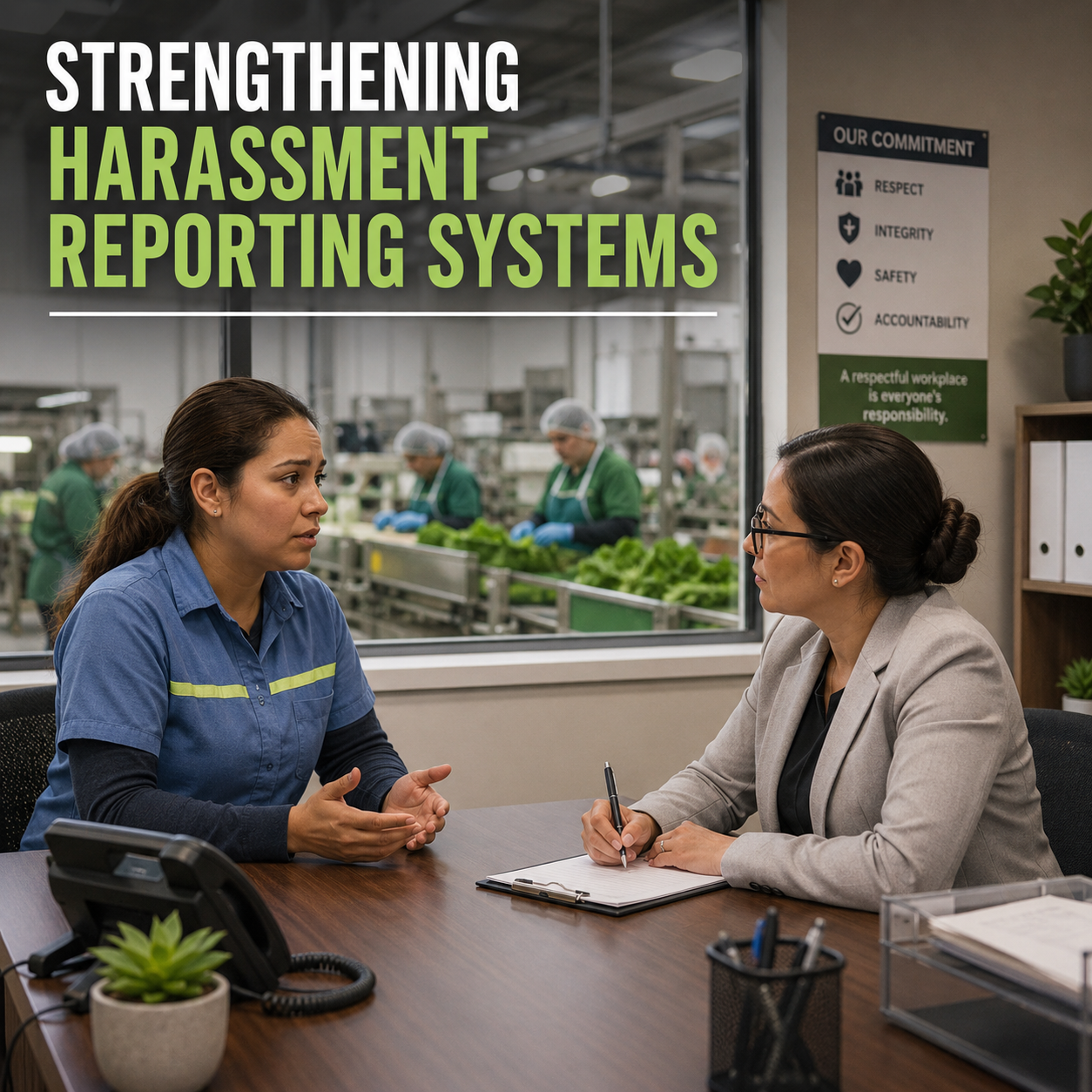
Employers have a legal obligation to maintain workplaces free from harassment and retaliation. A recent U.S. Equal Employment Opportunity Commission (EEOC) settlement involving Fresh Venture Foods, LLC, Gold Coast Packing, Inc., and Babé Farms, Inc. highlights the importance of responding promptly and effectively to workplace harassment complaints. The case serves as a reminder that employers must establish reporting procedures, investigate concerns thoroughly, and protect employees from retaliation.
Background of the Case
The EEOC filed a lawsuit against Fresh Venture Foods, LLC, along with affiliated companies Gold Coast Packing, Inc. and Babé Farms, Inc. The companies operate within the produce processing and agricultural industry in Santa Maria, California.
According to the EEOC, the lawsuit alleged that female workers at the facility experienced ongoing sexual harassment over several years. The agency further alleged that the companies failed to adequately address complaints and that some employees experienced retaliation after reporting concerns.
The lawsuit was filed in the U.S. District Court for the Central District of California under Case No. 2:21-cv-07679 after efforts to resolve the matter through the EEOC's administrative conciliation process were unsuccessful.
Details of the Incident
According to the EEOC's allegations, the harassment occurred beginning in at least 2016 and involved both employees of Fresh Venture Foods and workers employed through staffing agencies.
The complaint alleged that female employees were subjected to:
- Unwanted physical touching and groping
- Unwelcome sexual comments
- Repeated requests for dates
- Sexual propositions
- Comments regarding their appearance
- Unwelcome sexual advances
The lawsuit further alleged that:
- Multiple complaints were made regarding the conduct
- The companies did not adequately respond to those complaints
- Some employees experienced retaliation after reporting concerns
- Certain workers resigned because they believed the working conditions had become intolerable
As with all EEOC litigation, these allegations were contested and resolved through settlement rather than a trial determination on the merits.
Legal Background
Title VII of the Civil Rights Act of 1964 prohibits discrimination based on sex, including sexual harassment. Employers may face liability when:
- Harassment creates a hostile work environment
- Management fails to take reasonable steps to prevent or correct harassment
- Employees experience retaliation for reporting misconduct
- Complaint procedures are ineffective or inaccessible
Retaliation remains one of the most frequently alleged forms of workplace discrimination. Federal law protects employees who report discrimination, participate in investigations, or otherwise exercise their workplace rights.
Settlement Status and Relief Sought
On February 2, the parties entered into a consent decree approved by U.S. District Judge Consuelo B. Marshall.
The settlement provides:
- $900,000 in monetary relief for a class of female workers
- Appointment of a third-party monitor
- Enhanced harassment, discrimination, and retaliation reporting systems
- A centralized complaint tracking process
- Notice of Title VII protections for staffing agency employees
- Updates to anti-discrimination policies
- Additional workplace training requirements
The injunctive relief is intended to improve complaint handling procedures and strengthen workplace protections going forward.
Key Takeaways from the Case
Employers can draw several compliance lessons from this settlement:
Take every complaint seriously
- Even informal complaints should be documented and reviewed.
Respond promptly
- Delayed responses can increase legal risk and employee dissatisfaction.
Protect employees from retaliation
- Workers should feel safe reporting concerns without fear of negative consequences.
Track complaints consistently
- Centralized reporting systems help identify patterns and recurring issues.
Review policies regularly
- Policies should clearly prohibit harassment, discrimination, and retaliation.
Ensure reporting channels are accessible
- Employees should have multiple options for reporting concerns.
Broader Implications for Employers
This case demonstrates challenges that can arise in industries that rely on large workforces, seasonal labor, staffing agencies, and multiple employment relationships.
Organizations should ensure that:
- Harassment policies apply to all workers, including temporary staff
- Supervisors understand their responsibilities when receiving complaints
- Staffing agencies and host employers coordinate investigations when necessary
- Documentation procedures are consistent and thorough
- Employees understand reporting options
Employers remain responsible for maintaining a workplace environment where complaints are addressed effectively and corrective action is taken when appropriate.
The Importance of Sexual Harassment Training
Sexual Harassment Training | TAP Series®
Effective workplace training can help organizations reinforce expectations regarding professional conduct and reporting procedures.
Training programs should address:
- Employee awareness of prohibited conduct
- Methods for reporting concerns
- Supervisor responsibilities when receiving complaints
- Workplace respect and professional behavior
- Retaliation prevention
- Investigation and response procedures
Training should be paired with clear policies, leadership accountability, and consistent enforcement to support a respectful workplace culture.
Conclusion
The EEOC's settlement with Fresh Venture Foods, Gold Coast Packing, and Babé Farms illustrates the significant risks employers face when harassment complaints are not effectively addressed. While the case was resolved through a consent decree, it underscores the importance of strong reporting systems, anti-retaliation protections, complaint tracking, and ongoing workplace education. Employers that proactively review their policies and response procedures are better positioned to address concerns promptly and foster a workplace culture built on respect and accountability.