Food Safety Education
Food Safety in Schools: Cafeteria Compliance and Allergen Safety
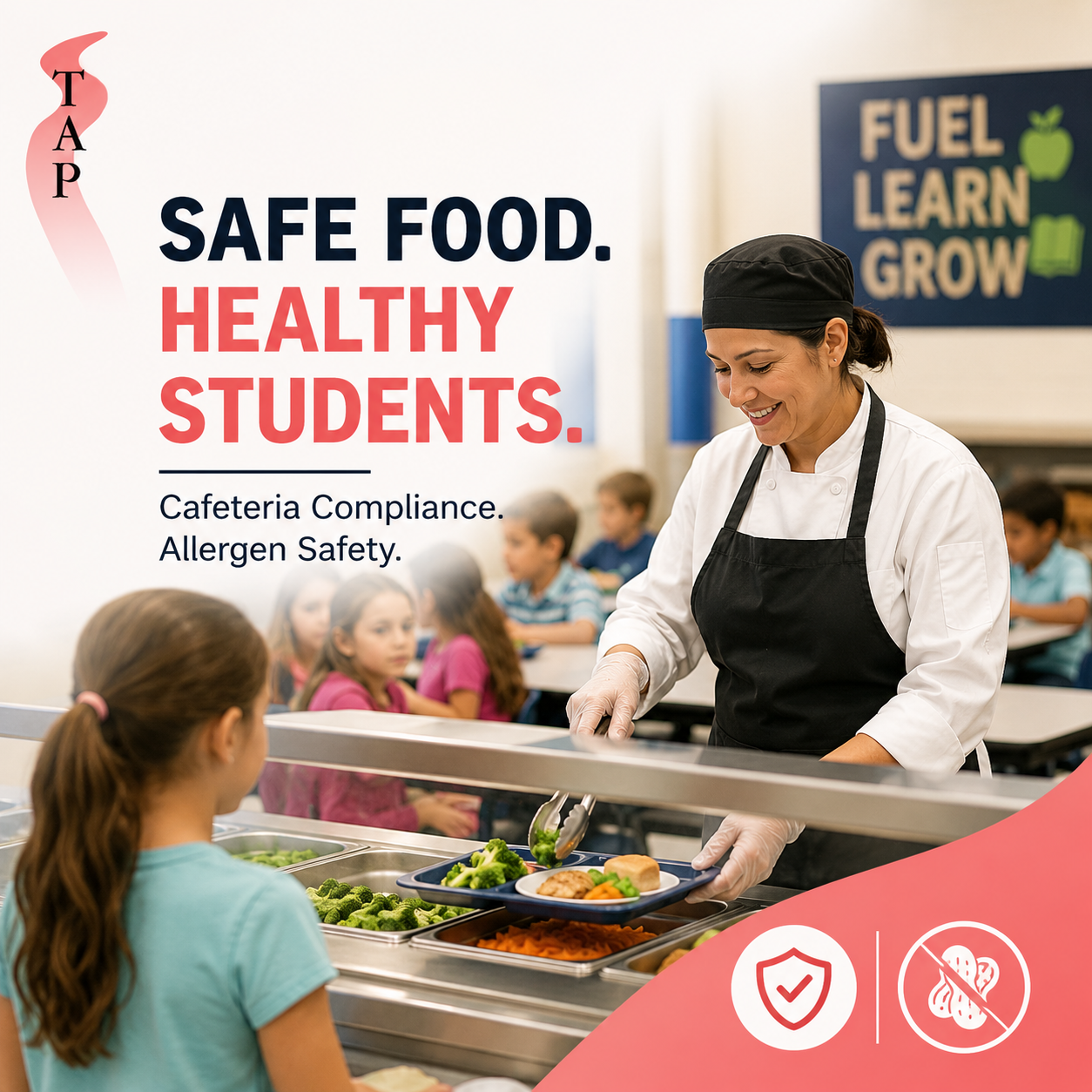
School cafeterias serve millions of meals to students every day, making food safety one of the most important responsibilities for educational institutions. Parents trust schools to provide meals that are prepared safely, handled properly, and served in ways that protect every student, including those with food allergies.
Maintaining cafeteria compliance involves much more than passing inspections. It requires consistent food handling practices, effective allergen management, and well-trained staff who understand how their daily actions contribute to student health and safety.
Why Food Safety Matters in School Cafeterias
Students rely on school meal programs for breakfast, lunch, and snacks throughout the academic year. Because children can be especially vulnerable to foodborne illnesses and allergic reactions, schools must maintain strong food safety practices.
Effective food safety programs help:
- Protect student health
- Reduce foodborne illness risks
- Prevent allergen exposure
- Maintain regulatory compliance
- Build parent confidence
- Support a safe learning environment
Safe food handling should be part of every meal served.
Common Food Safety Risks in Schools
School kitchens face many of the same food safety challenges as commercial foodservice operations.
Common risks include:
- Improper food temperatures
- Poor hand hygiene
- Cross-contamination
- Inadequate cleaning and sanitizing
- Improper food storage
- Allergen cross-contact
Addressing these risks consistently helps reduce preventable incidents.
Understanding Allergen Safety
Food allergies affect many school-aged children, and even a small amount of an allergen can trigger a serious reaction.
Common allergens may include:
- Milk
- Eggs
- Peanuts
- Tree nuts
- Wheat
- Soy
- Fish
- Shellfish
Every cafeteria employee should understand the importance of preventing allergen exposure during food preparation and service.
Common Allergen Mistakes in School Cafeterias
Many allergen incidents result from communication or handling errors.
Examples include:
- Using shared utensils
- Cross-contact during food preparation
- Incorrect meal labeling
- Failure to communicate allergy requests
- Ingredient substitutions
- Inadequate employee awareness
Preventing these mistakes helps protect students with food allergies.
Cafeteria Compliance Starts With Daily Practices
Food safety compliance depends on consistent routines rather than occasional inspections.
Important daily practices include:
- Wash hands properly and frequently.
- Monitor food temperatures throughout service.
- Clean and sanitize food-contact surfaces.
- Store food safely to prevent contamination.
- Separate allergen-containing foods when appropriate.
- Verify special meal requests before serving.
Routine attention to these practices strengthens cafeteria safety.
The Role of School Foodservice Staff
Every cafeteria employee contributes to food safety.
Responsibilities often include:
- Following safe food handling procedures
- Maintaining personal hygiene
- Preventing cross-contamination
- Communicating allergen information accurately
- Reporting food safety concerns
- Supporting compliance efforts
When everyone follows established procedures, schools create safer dining environments.
Building a Culture of Food Safety
School districts can strengthen cafeteria safety by making food safety part of their everyday operations.
Key strategies include:
- Providing ongoing employee training
- Reviewing food safety procedures regularly
- Updating allergen management practices
- Encouraging communication among staff
- Monitoring compliance consistently
- Correcting issues immediately
A proactive approach reduces risk while supporting student well-being.
Why Food Safety Training Matters
Training gives cafeteria staff the knowledge and confidence needed to prepare and serve meals safely.
Food Handler Training | TAP Series® teaches essential food safety practi ces, including personal hygiene, temperature control, contamination prevention, and safe food handling techniques.
Allergen Awareness Training | TAP Series® helps employees recognize major food all ergens, prevent cross-contact, communicate allergy information accurately, and protect students with food allergies.
Together, these courses help schools strengthen cafeteria compliance while promoting safer meal service for every student.
Safe Meals Support Safe Learning
School cafeterias play an important role in supporting student health and academic success. By investing in food safety education, strengthening allergen awareness, and reinforcing daily compliance practices, schools can reduce food safety risks and build greater confidence among students, parents, and the community.
Every safe meal begins with knowledgeable employees who understand that food safety and allergen awareness are essential parts of creating a healthy learning environment.