Real Estate Innovations
Real Estate Trends Shaping the Future of Home Buying
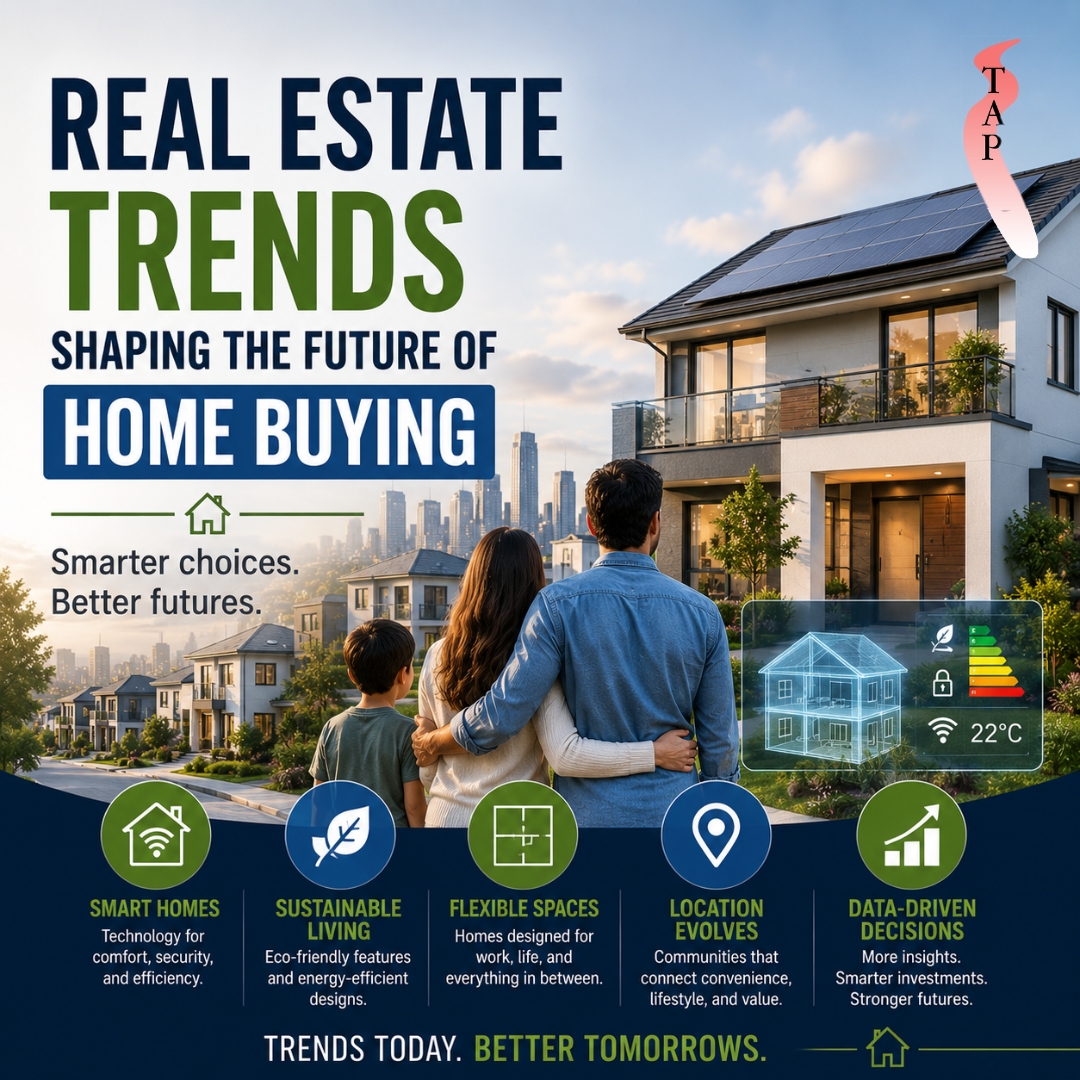
The real estate market continues to evolve as technology, economic conditions, and changing lifestyles influence how people buy homes. Today's buyers have access to more information than ever before, while developers and communities are adapting to meet new expectations around sustainability, flexibility, and convenience.
Although market conditions vary by location, several emerging trends are shaping the future of home buying. Understanding these developments can help prospective buyers make informed decisions that align with both current needs and long-term goals.
Technology Is Transforming the Home Buying Experience
Technology has become an essential part of the property search process.
Many buyers now begin their home search online before visiting properties in person.
Popular digital tools include:
- Virtual home tours
- Interactive floor plans
- Online mortgage calculators
- Digital document signing
- Property search platforms
These technologies make it easier to compare homes, research neighborhoods, and organize important information throughout the buying journey.
While technology improves convenience, buyers should still conduct thorough inspections and evaluate properties in person whenever possible.
Smart Homes Continue to Grow in Popularity
Modern buyers increasingly value homes equipped with smart technology.
Common smart home features include:
- Smart thermostats
- Video doorbells
- Smart lighting
- Security cameras
- Smart locks
- Voice-controlled home systems
These technologies can improve convenience, security, and energy management.
As smart devices become more common, many buyers now view them as desirable features rather than luxury additions.
Sustainability Is Becoming a Buying Priority
Environmental awareness continues to influence housing preferences.
Many buyers are looking for homes that include features designed to improve energy efficiency and reduce resource consumption.
Examples include:
- Solar panels
- High-performance insulation
- Energy-efficient windows
- Water-saving fixtures
- LED lighting
- Sustainable building materials
These improvements may contribute to lower utility usage while supporting environmentally responsible living.
Flexible Living Spaces Are in Greater Demand
Lifestyle changes have increased demand for homes that can serve multiple purposes.
Many buyers now prefer flexible spaces that can function as:
- Home offices
- Study areas
- Fitness rooms
- Guest bedrooms
- Hobby spaces
Adaptable floor plans allow homeowners to adjust living spaces as their needs change over time.
Location Preferences Are Evolving
While location remains one of the most important factors in real estate, buyer preferences continue to change.
Some buyers prioritize:
- Walkable neighborhoods
- Access to public transportation
- Nearby parks
- Mixed-use communities
- Short commuting distances
Others seek:
- Larger suburban homes
- Outdoor living areas
- Quieter neighborhoods
- More flexible work environments
The right location depends on individual lifestyle, employment, and family needs.
Energy Costs Influence Purchasing Decisions
As utility expenses become a greater concern, buyers are paying closer attention to a home's operating costs.
Features that may improve energy efficiency include:
- Modern HVAC systems
- Energy-efficient appliances
- Quality insulation
- High-performance windows
- Smart energy management systems
Evaluating long-term operating costs can provide a more complete picture than focusing solely on the purchase price.
Communities With Lifestyle Amenities Remain Attractive
Many buyers consider neighborhood amenities when evaluating properties.
Popular community features include:
- Walking trails
- Parks
- Fitness centers
- Community gardens
- Playgrounds
- Retail and dining options
Access to these amenities may improve convenience and contribute to overall quality of life.
Data Helps Buyers Make Better Decisions
Today's buyers have access to more market information than previous generations.
Online resources can provide information about:
- Recent property sales
- Neighborhood trends
- School districts
- Crime statistics
- Flood zones
- Local development plans
While this information can support decision-making, buyers should verify important details through reliable sources and professional inspections.
Long-Term Affordability Is Receiving Greater Attention
Rather than focusing only on the purchase price, many buyers now evaluate the total cost of homeownership.
Important expenses include:
- Mortgage payments
- Property taxes
- Insurance
- Maintenance
- Utilities
- Homeowners association fees, where applicable
Understanding these ongoing costs helps buyers create more realistic budgets and avoid financial strain.
Market Flexibility Continues to Evolve
Housing markets respond to changing economic conditions, interest rates, and buyer demand.
Rather than assuming market trends will continue indefinitely, buyers should evaluate properties based on:
- Personal financial readiness
- Long-term housing needs
- Local market conditions
- Overall affordability
Purchasing a home that fits your individual circumstances is often more important than attempting to predict future market movements.
Preparing for the Future
The future of home buying will likely continue to combine technological innovation with changing buyer expectations.
Prospective homeowners may benefit from:
- Staying informed about market trends
- Understanding financing options
- Evaluating long-term ownership costs
- Prioritizing properties that support future lifestyle needs
- Researching neighborhoods carefully
Thoughtful preparation can help buyers adapt as the real estate market continues to evolve.
Conclusion
The future of home buying is being shaped by advances in technology, growing interest in sustainability, changing lifestyle preferences, and increased access to market information. Buyers are looking beyond the home itself, considering factors such as energy efficiency, flexible living spaces, community amenities, and long-term affordability.
While trends will continue to evolve, the fundamentals of smart home buying remain the same. Careful research, realistic budgeting, and thoughtful evaluation of both the property and its location can help buyers make informed decisions that support their goals for years to come.