Preparing To Buy A Home
Should You Pay Off Debt Before Buying Property?
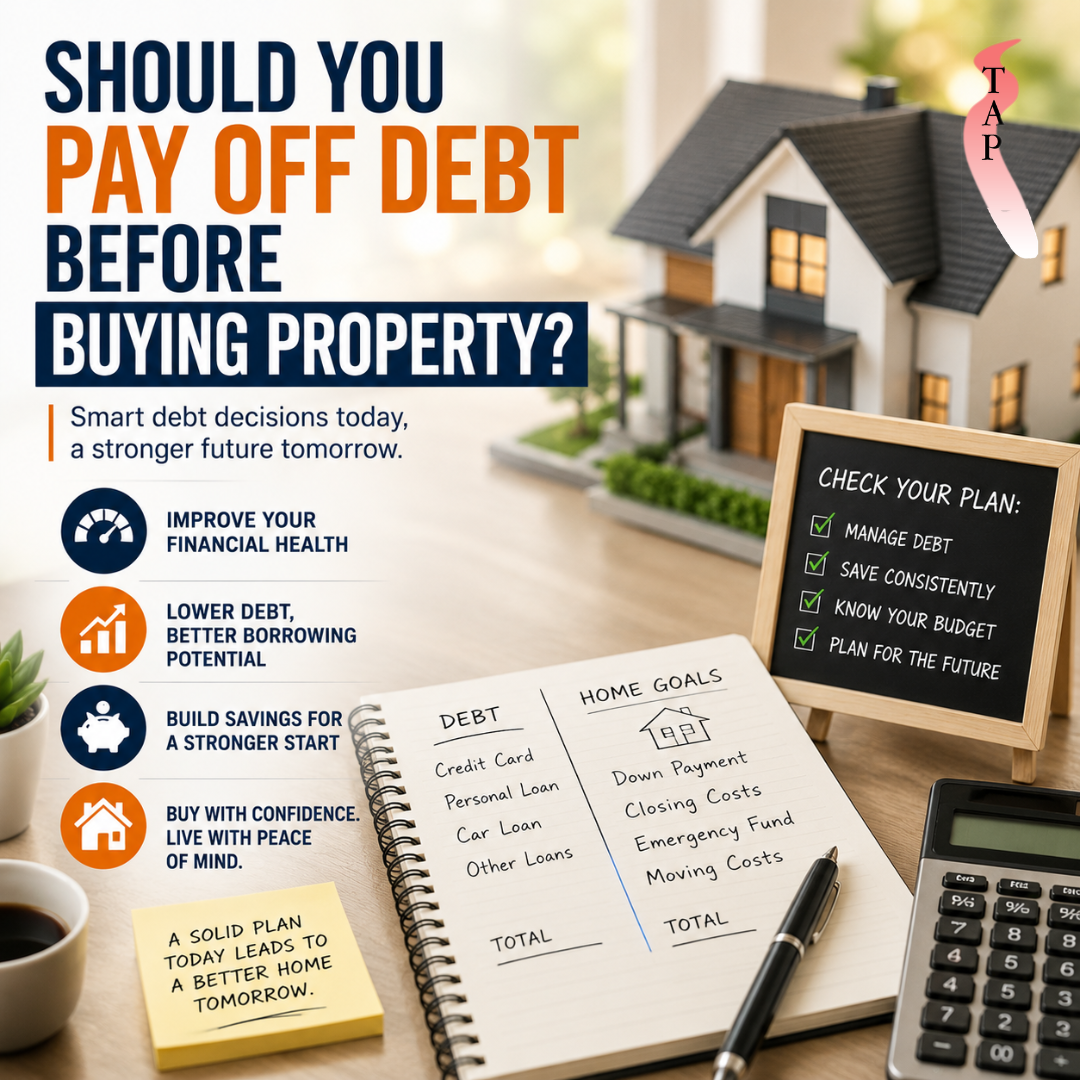
Buying a property is a major financial commitment, and many prospective buyers wonder whether they should pay off existing debt before purchasing a home. The answer is rarely the same for everyone. It depends on factors such as the type of debt you have, your income, savings, financial goals, and overall ability to manage future housing costs.
While reducing debt can strengthen your financial position, completely eliminating every balance before buying a property is not always necessary. Understanding how debt affects affordability, mortgage qualification, and long-term financial stability can help you make a more informed decision.
Understanding How Debt Affects Home Buying
When applying for a mortgage, lenders typically review your overall financial situation.
They may consider factors such as:
- Income
- Existing debt
- Credit history
- Savings
- Employment stability
- Debt-to-income ratio
Having debt does not automatically prevent you from purchasing a home. However, the amount and type of debt may influence your borrowing capacity and monthly affordability.
The Importance of Your Debt-to-Income Ratio
One of the most commonly evaluated financial measures is your debt-to-income (DTI) ratio.
This compares your monthly debt payments to your gross monthly income.
A lower debt-to-income ratio generally indicates that you have more financial flexibility to manage additional monthly obligations, including mortgage payments.
Reducing existing debt before purchasing a home may improve your overall financial profile and make monthly budgeting easier.
Prioritize High-Interest Debt
Not all debt carries the same financial impact.
High-interest debt often deserves greater attention because it can become expensive over time.
Examples include:
- Credit card balances
- Personal loans with high interest rates
- Certain retail financing plans
Reducing these obligations may improve cash flow and reduce long-term borrowing costs.
Low-Interest Debt May Be Different
Some forms of debt have relatively lower interest rates.
Examples may include:
- Student loans
- Vehicle loans
- Certain personal loans
Rather than paying off every balance immediately, some buyers choose to focus on maintaining manageable payments while continuing to save for a down payment and other home-buying expenses.
The appropriate approach depends on individual financial circumstances.
Continue Building Your Savings
Paying off debt should not come at the expense of having little or no savings.
Before purchasing a property, buyers should also prepare for:
- Down payment
- Closing costs
- Moving expenses
- Home maintenance
- Emergency repairs
- Furniture and appliances
Maintaining an emergency fund can provide greater financial security after becoming a homeowner.
Avoid Taking on New Debt
If you plan to purchase a property soon, limiting new borrowing may help maintain financial stability.
Examples include:
- Financing a new vehicle
- Opening multiple credit accounts
- Taking out large personal loans
- Making expensive purchases on credit
New debt may affect your monthly financial obligations and borrowing capacity.
Consider Your Monthly Budget
Buying a home involves more than making a mortgage payment.
Homeownership also includes expenses such as:
- Property taxes
- Homeowners insurance
- Utilities
- Maintenance
- Repairs
- Homeowners association fees, where applicable
Reducing existing debt may create additional room in your monthly budget for these ongoing responsibilities.
Think About Your Long-Term Financial Goals
Purchasing a home should fit within your broader financial plan.
Consider questions such as:
- Can I comfortably manage both my debt and future mortgage?
- Will buying a home affect my retirement savings?
- Am I maintaining an emergency fund?
- Will I still have financial flexibility after purchasing?
Balancing debt repayment with other financial priorities often leads to more sustainable long-term planning.
Situations Where Paying Down Debt May Be Helpful
Reducing debt before purchasing property may be beneficial if:
- Monthly debt payments are limiting affordability.
- High-interest balances are growing.
- Your debt-to-income ratio is relatively high.
- You have difficulty maintaining regular savings.
Lower debt levels may improve financial flexibility and reduce stress after purchasing a home.
Situations Where Buying May Still Be Reasonable
Some buyers may decide to purchase property while continuing to manage existing debt responsibly.
This may be appropriate when:
- Debt payments are affordable.
- Savings for a down payment are already established.
- Monthly income comfortably covers future housing expenses.
- Existing loans have relatively low interest rates.
Every financial situation is unique, and buyers should carefully evaluate their overall readiness before proceeding.
Create a Balanced Financial Plan
Rather than focusing exclusively on either debt repayment or homeownership, many buyers benefit from balancing both goals.
A balanced approach may include:
- Paying down high-interest debt first
- Saving consistently for a down payment
- Maintaining an emergency fund
- Monitoring credit responsibly
- Avoiding unnecessary new debt
- Planning for long-term housing costs
This strategy can help improve financial preparedness while keeping future homeownership goals within reach.
Conclusion
Whether you should pay off debt before buying property depends on your overall financial situation rather than a single rule. Managing debt responsibly, maintaining healthy savings, and understanding the full costs of homeownership are all important steps toward making an informed purchase.
Instead of aiming to eliminate every debt balance before buying a home, focus on creating a financial plan that supports both your immediate homeownership goals and your long-term financial well-being. Careful preparation and realistic budgeting can help ensure that purchasing property remains a sustainable and confident financial decision.