Remote Work Real Estate Market
How Remote Work Is Changing Real Estate Demand
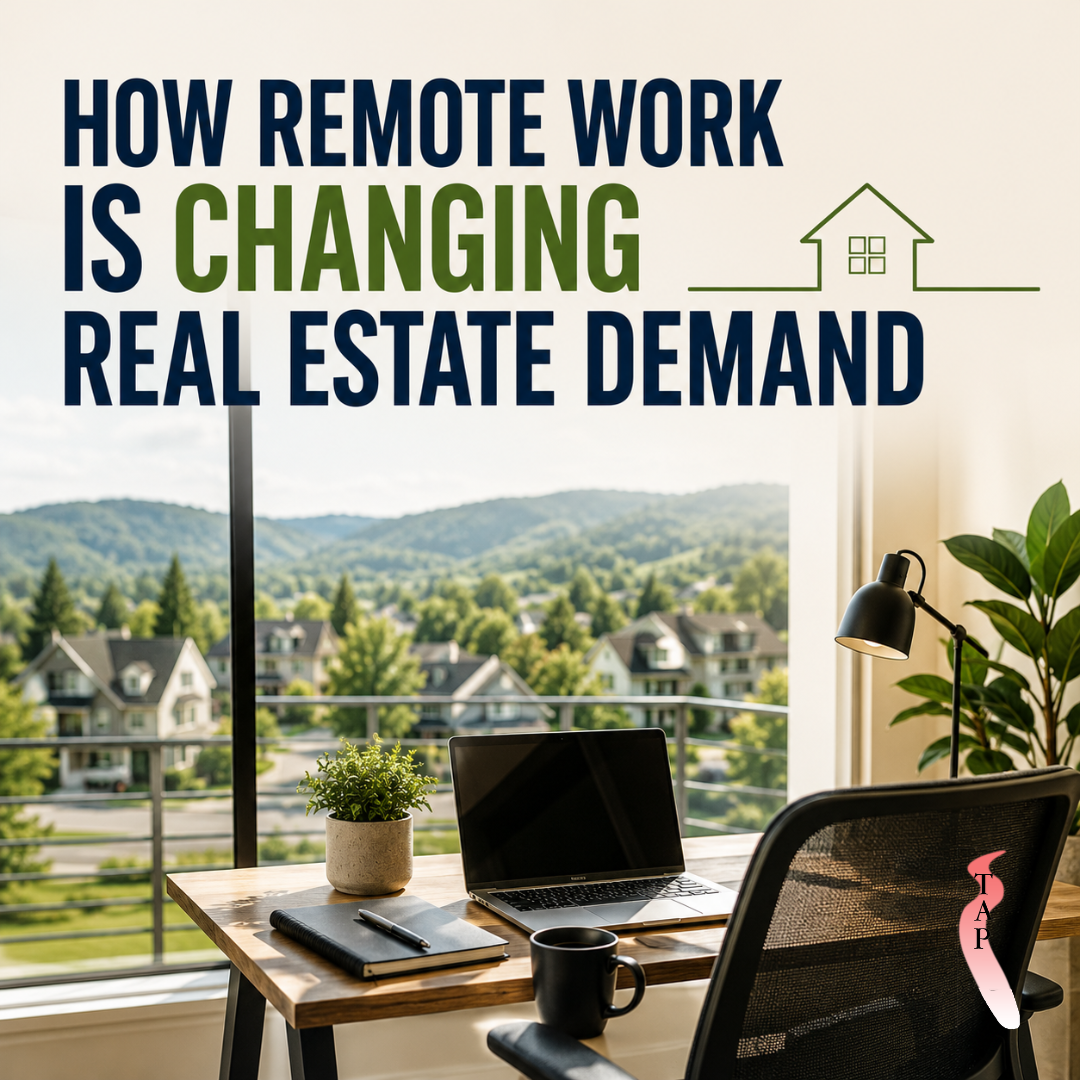
Remote work has significantly changed the way many people live, work, and choose where to buy a home. As more employers adopt flexible work arrangements, buyers are no longer limited to living close to a traditional office. This shift has influenced housing demand, neighborhood preferences, and the types of properties people prioritize.
While not every profession offers remote work opportunities, its growing popularity has reshaped parts of the real estate market. Understanding these trends can help prospective buyers recognize how changing work habits may influence future housing decisions.
Remote Work Expands Location Choices
One of the biggest impacts of remote work is increased flexibility in choosing where to live.
Without the need for a daily commute, many buyers can consider locations that were previously less practical.
This may include:
- Suburban neighborhoods
- Smaller cities
- Rural communities
- Coastal towns
- Mountain regions
For some households, living farther from major employment centers provides access to larger homes or different lifestyles while maintaining remote employment.
Demand for Larger Homes Has Increased
Working from home has changed how buyers use their living space.
Many now prioritize homes with:
- Dedicated home offices
- Extra bedrooms
- Flexible living spaces
- Larger backyards
- Finished basements
- Multi-purpose rooms
Rather than viewing additional space as a luxury, many buyers now see it as essential for balancing work and personal life.
Home Office Space Has Become a Priority
A dedicated workspace is one of the most requested features among remote workers.
Buyers often look for areas that provide:
- Privacy during meetings
- Natural lighting
- Quiet surroundings
- Reliable internet connectivity
- Sufficient electrical outlets
Even smaller homes may become more attractive if they include space that can function as a productive home office.
Changing Demand Between Urban and Suburban Areas
Before remote work became more common, many buyers preferred homes close to business districts to reduce commuting time.
Today, some buyers are willing to trade shorter commutes for:
- Larger homes
- More outdoor space
- Lower housing costs
- Less congestion
This shift has increased interest in many suburban and smaller community housing markets.
However, urban areas continue to attract buyers who value walkability, entertainment, dining, and convenient access to services.
Internet Connectivity Is More Important Than Ever
Reliable high-speed internet has become a key consideration for many homebuyers.
Properties located in areas with dependable broadband service may appeal to remote workers who rely on video conferencing, cloud applications, and online collaboration.
Before purchasing a property, buyers may wish to evaluate:
- Internet service providers
- Available connection speeds
- Network reliability
- Mobile coverage
Digital infrastructure has become nearly as important as traditional utilities for many households.
Lifestyle Preferences Are Evolving
Remote work has encouraged many buyers to prioritize quality of life alongside employment.
Popular lifestyle features include:
- Parks and green spaces
- Walking trails
- Outdoor recreation
- Larger outdoor living areas
- Quiet neighborhoods
- Access to community amenities
Many buyers now spend more time at home, making the surrounding environment an increasingly important factor in purchasing decisions.
Flexible Floor Plans Continue to Gain Popularity
Modern buyers often seek homes that can adapt to changing needs.
Flexible spaces may serve as:
- Home offices
- Study rooms
- Guest bedrooms
- Exercise areas
- Creative studios
Adaptable layouts provide greater versatility as work arrangements and family needs evolve over time.
Local Housing Markets May Respond Differently
The impact of remote work varies across regions.
Some communities have experienced increased demand because they offer:
- Affordable housing
- Attractive lifestyles
- Reliable internet access
- Growing local amenities
Other markets continue to benefit from strong demand due to employment opportunities, transportation infrastructure, and established urban centers.
Local market conditions remain an important factor when evaluating any property purchase.
Remote Work May Influence Future Home Design
Builders are responding to changing buyer preferences by incorporating features that support flexible living.
New homes increasingly include:
- Dedicated office spaces
- Sound-insulated rooms
- Smart home technology
- Energy-efficient systems
- Improved natural lighting
These design choices reflect the growing importance of homes serving multiple purposes beyond simply providing a place to live.
Long-Term Considerations for Buyers
Although remote work has expanded housing options, buyers should avoid assuming current trends will remain unchanged.
Before purchasing, consider:
- Employer work policies
- Future career opportunities
- Commuting requirements if work arrangements change
- Long-term affordability
- Community infrastructure
Choosing a home that remains suitable under different work arrangements can provide greater flexibility in the future.
Conclusion
Remote work has reshaped real estate demand by giving buyers greater flexibility in choosing where to live and what features they value most. Larger homes, dedicated office spaces, reliable internet access, and communities that support work-life balance have become increasingly attractive to many households.
While the long-term impact of remote work will continue to evolve, buyers who carefully evaluate both current lifestyle needs and future flexibility can make more informed real estate decisions. Considering location, home design, affordability, and changing employment trends together can help ensure a property remains a good fit for years to come.