School Emergency Procedures
Preparing Schools for Emergencies Through Violence Awareness and Planning
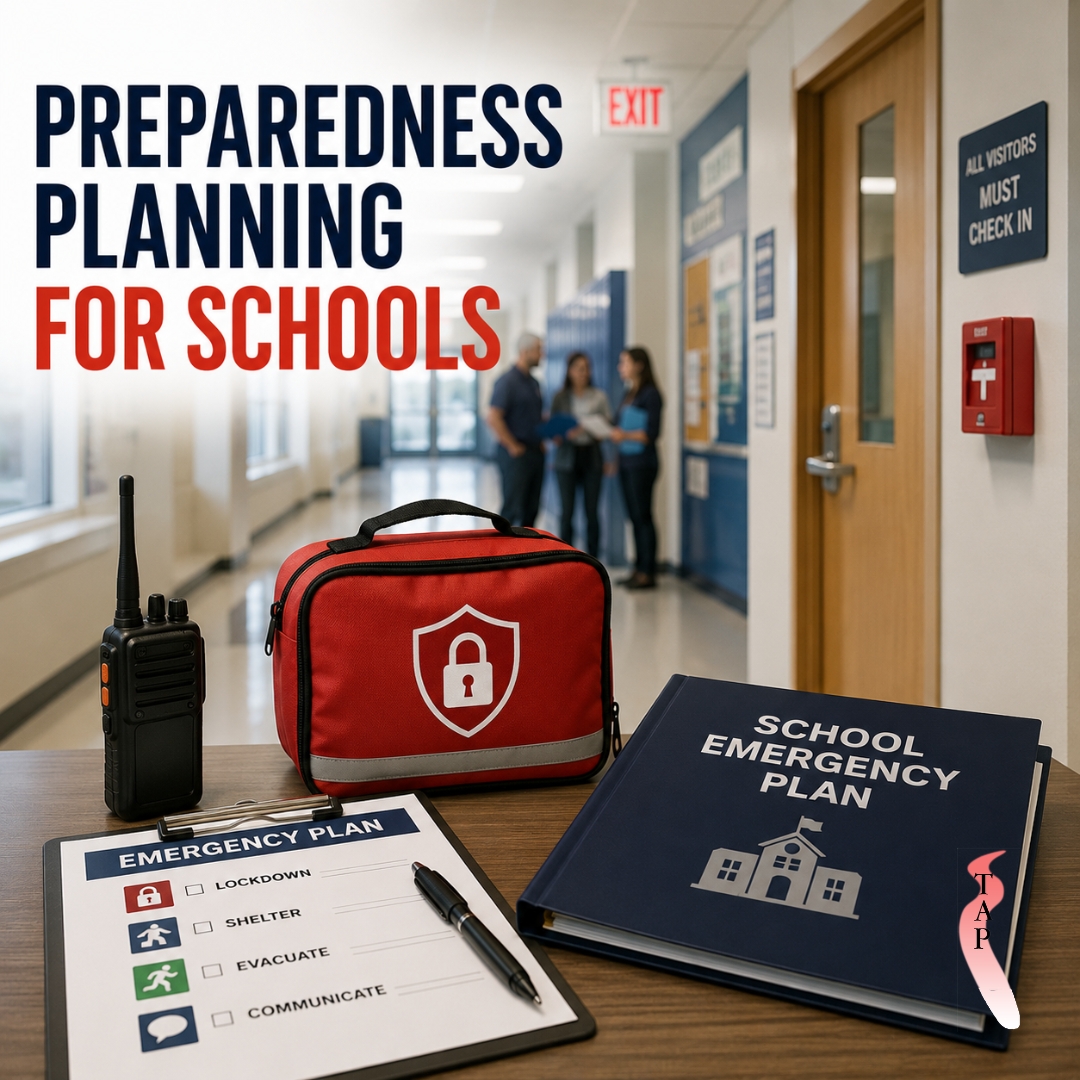
Schools are designed to be places where students learn, grow, and feel safe. While incidents involving workplace or school violence are rare, educational institutions have a responsibility to prepare for emergencies before they happen. Effective preparedness planning helps schools respond quickly, coordinate effectively, and protect students, staff, and visitors during a crisis.
Violence preparedness is not about creating fear. It is about building awareness, improving emergency response, and ensuring every member of the school community understands their role during a critical incident.
Why Preparedness Planning Matters
Every emergency presents unique challenges. Having a well-developed plan allows schools to respond more effectively when every second matters.
Preparedness planning helps schools:
- Improve emergency response
- Strengthen staff confidence
- Protect students and visitors
- Support coordinated decision making
- Reduce confusion during emergencies
- Promote a culture of safety
Preparation begins long before an emergency occurs.
What Violence Preparedness Includes
Effective preparedness involves more than having an emergency plan on paper.
Schools should regularly review:
- Emergency response procedures
- Communication protocols
- Building access controls
- Staff roles and responsibilities
- Evacuation and lockdown procedures
- Coordination with first responders
Planning should be reviewed and updated as school operations change.
Recognizing Potential Warning Signs
While it is impossible to predict every incident, recognizing concerning behaviors may provide opportunities for early intervention.
Possible warning signs may include:
- Threatening statements
- Escalating aggressive behavior
- Significant changes in conduct
- Intimidation or harassment
- Obsession with violence
- Concerning social interactions
School employees should understand how to report concerns using established procedures.
The Importance of Communication
Clear communication plays a vital role during emergencies.
Schools should establish procedures for:
- Alerting staff quickly
- Notifying emergency responders
- Communicating with students
- Providing updates to families
- Coordinating with administrators
Reliable communication helps reduce confusion during high-stress situations.
Preparing Staff Through Training
Preparedness depends on employees understanding how to respond during emergencies.
Training helps staff:
- Recognize potential threats
- Understand emergency procedures
- Respond calmly under pressure
- Support student safety
- Communicate effectively
- Work together during critical incidents
Regular education reinforces preparedness throughout the school year.
Building a Culture of Safety
Violence preparedness should be part of an overall school safety program.
Schools can strengthen preparedness by:
- Reviewing emergency plans regularly.
- Conducting safety drills.
- Reinforcing reporting procedures.
- Encouraging situational awareness.
- Coordinating with local emergency responders.
- Providing ongoing staff training.
Preparation becomes more effective when it is practiced consistently.
The Role of School Leadership
Administrators and school leaders play an essential role in maintaining emergency readiness.
Leadership responsibilities include:
- Reviewing safety procedures
- Supporting staff training
- Coordinating emergency planning
- Evaluating response plans
- Encouraging reporting of concerns
- Promoting continuous improvement
Strong leadership helps ensure preparedness remains an ongoing priority.
Why Active Shooter Awareness Training Matters
Preparing employees before an emergency helps improve confidence and supports more effective decision making during stressful situations.
Active Shooter Awareness Training | TAP Series® provides school employees with practical guida nce on recognizing potential threats, understanding emergency response principles, improving situational awareness, and supporting established school safety procedures during critical incidents.
The course helps educational institutions strengthen preparedness while promoting a safer learning environment for students, staff, and visitors.
Preparation Strengthens School Safety
Violence preparedness is an important part of protecting every member of the school community. While no organization can eliminate every risk, schools that invest in planning, communication, and employee education are better prepared to respond when emergencies occur.
By strengthening emergency preparedness, reinforcing reporting procedures, and providing ongoing training, schools can build safer campuses where students and staff are better protected through awareness, preparation, and coordinated response.