Comfortable Home Budget
How Much House Can You Really Afford?
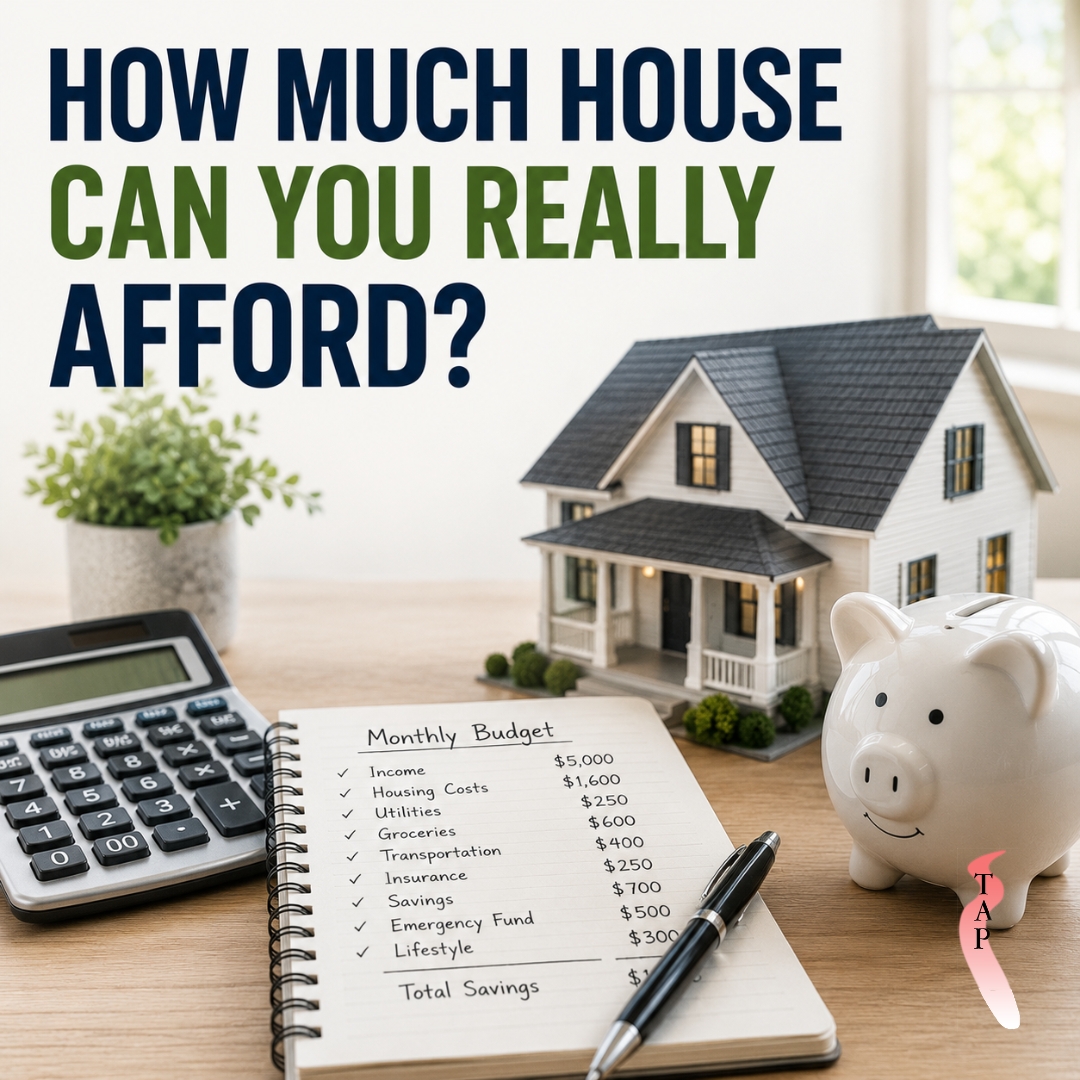
Buying a home is an exciting milestone, but determining how much you can truly afford is one of the most important financial decisions you'll make. While online calculators and mortgage pre-approvals can provide estimates, they do not always reflect your complete financial picture or personal lifestyle.
A comfortable home budget should take into account your income, monthly expenses, savings, financial goals, and future responsibilities. Rather than stretching your finances to purchase the most expensive home possible, focusing on long-term affordability can help create greater financial stability and peace of mind.
Affordability Is More Than the Purchase Price
Many buyers focus primarily on the home's listing price.
However, owning a home involves several ongoing expenses beyond the mortgage payment.
These may include:
- Property taxes
- Homeowners insurance
- Utilities
- Routine maintenance
- Homeowners association fees, where applicable
- Repairs and replacements
Considering the total cost of ownership provides a more realistic understanding of what you can comfortably afford.
Start With Your Monthly Income
Understanding your income is the first step toward building a realistic housing budget.
Consider all consistent sources of income while recognizing that bonuses, commissions, or irregular earnings may vary from year to year.
A clear picture of your monthly income helps determine how much room is available for housing costs without affecting other financial priorities.
Review Your Current Monthly Expenses
Before buying a home, examine your current spending habits.
Include expenses such as:
- Food and groceries
- Transportation
- Insurance
- Childcare
- Education
- Healthcare
- Debt payments
- Entertainment
- Subscriptions
- Savings contributions
Knowing where your money currently goes can help you estimate how much flexibility you have for future housing expenses.
Don't Forget Emergency Savings
Homeownership often brings unexpected costs.
Examples include:
- Roof repairs
- Appliance replacement
- Plumbing issues
- Heating and cooling repairs
- Storm damage
Maintaining an emergency fund can help cover these expenses without relying heavily on credit.
Buying a home should not leave you without financial reserves.
Consider Your Lifestyle Goals
A home should support your lifestyle, not limit it.
Ask yourself:
- Do I want to continue traveling?
- Am I saving for retirement?
- Will I have children in the future?
- Do I plan to change careers?
- Are there hobbies or activities I want to maintain?
Choosing a home that fits comfortably within your budget allows you to continue pursuing other financial and personal goals.
Budget for Future Expenses
Your financial situation may change over time.
Future costs might include:
- Family growth
- Education expenses
- Vehicle replacement
- Healthcare costs
- Home improvements
Planning for future responsibilities helps create a more sustainable housing budget.
Practical Budgeting Example: First-Time Buyer
Imagine a buyer with a stable monthly income who currently spends:
- Rent
- Transportation
- Groceries
- Insurance
- Savings
- Entertainment
After reviewing monthly expenses, they discover they consistently save money each month without financial stress.
Instead of using all available savings for a down payment, they reserve part of their savings for moving costs and future home repairs.
By purchasing a home with monthly ownership costs similar to what they can comfortably manage today, they reduce the likelihood of financial strain after moving.
Practical Budgeting Example: Growing Family
Consider a family planning to purchase a larger home.
While they may qualify for a higher-priced property, they also anticipate future childcare expenses and education costs.
Rather than purchasing the largest home their finances might support today, they choose a property with lower monthly ownership costs.
This decision allows them to continue saving for future family needs while maintaining financial flexibility.
Compare Needs and Wants
Every buyer has a wish list.
Try separating features into two categories.
Essential Needs
- Safe neighborhood
- Appropriate number of bedrooms
- Reliable condition
- Convenient location
- Reasonable commuting distance
Preferred Features
- Swimming pool
- Large backyard
- Luxury finishes
- Home theater
- Extra recreational space
Focusing on essential needs first can make it easier to stay within your budget.
Prepare for Ongoing Home Maintenance
Owning a home means taking responsibility for its upkeep.
Regular maintenance may include:
- Landscaping
- Painting
- HVAC servicing
- Roof inspections
- Appliance maintenance
- Exterior repairs
Planning for these costs as part of your monthly budget can help prevent unexpected financial pressure.
Revisit Your Budget Before Making an Offer
Before committing to a purchase, review your finances one final time.
Ask yourself:
- Can I comfortably afford the monthly ownership costs?
- Will I still have emergency savings after closing?
- Am I prepared for maintenance and repairs?
- Does this purchase support my long-term financial goals?
- Will I still have room in my budget for other priorities?
These questions encourage thoughtful decision-making before signing a purchase contract.
Conclusion
Determining how much house you can really afford involves much more than calculating a mortgage payment. A realistic home budget considers your income, everyday expenses, emergency savings, lifestyle goals, and future financial responsibilities. Looking at the complete picture can help you choose a home that supports both your current needs and your long-term financial well-being.
By creating a practical budget, distinguishing between needs and wants, and preparing for the ongoing costs of homeownership, buyers can approach the home-buying process with greater confidence. A home that fits comfortably within your financial circumstances is more likely to provide lasting value and peace of mind for years to come.