Restaurant Employee Training
Why Positive Workplace Culture Matters in the Restaurant Industry
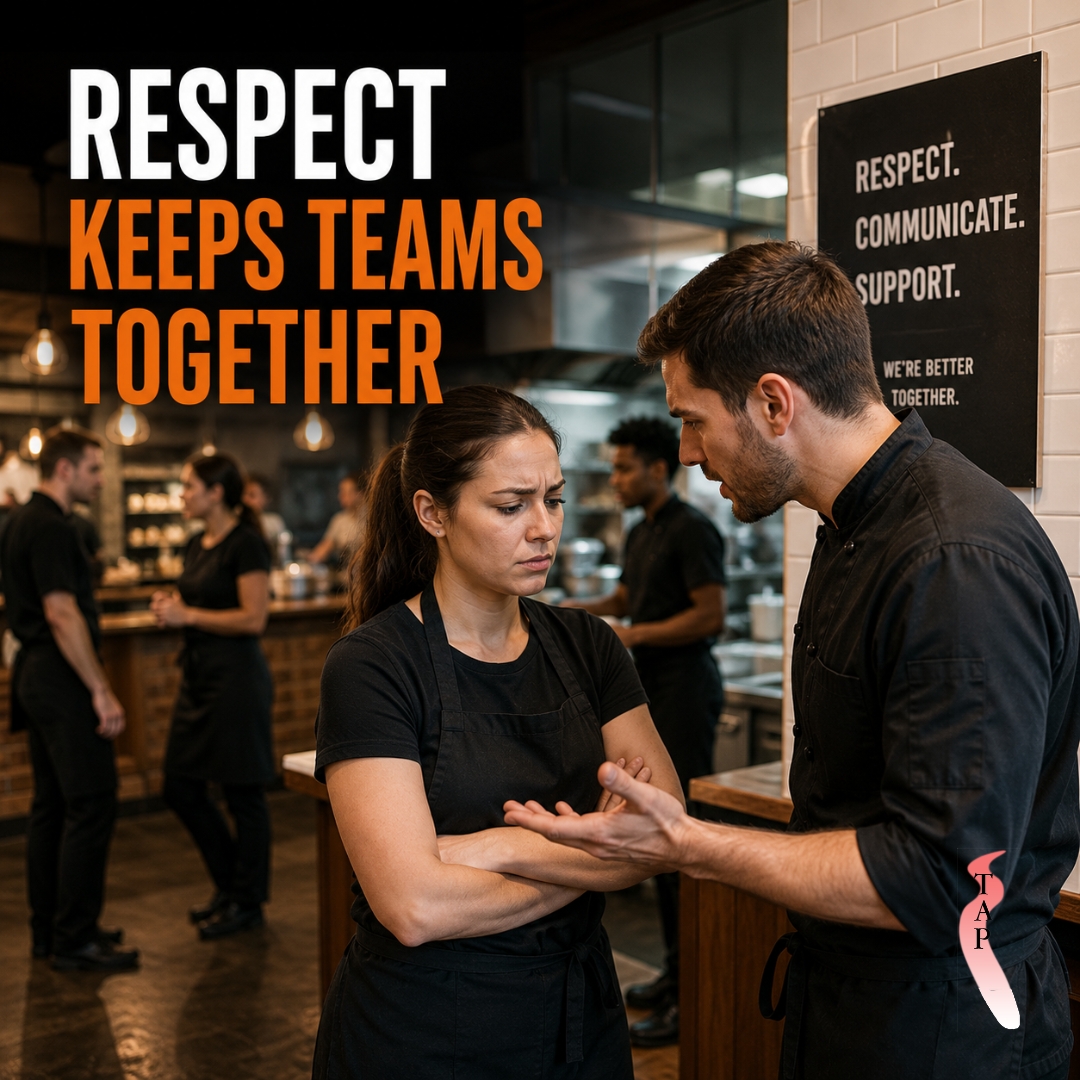
Restaurants thrive on teamwork, communication, and customer service. Employees work in fast-paced environments where collaboration is essential, but without a respectful workplace culture, daily interactions can quickly become sources of conflict. Harassment, bullying, and inappropriate behavior not only affect individual employees but can also lead to legal claims, high turnover, and damage to a restaurant's reputation.
Building a positive workplace culture is more than an employee satisfaction initiative. It is a business strategy that helps restaurants retain talent, reduce liability, and create a safer, more productive work environment.
Why Workplace Culture Matters
Employees who feel respected and supported are more likely to remain engaged and committed to their jobs.
A positive workplace culture helps:
- Improve employee retention
- Increase teamwork
- Reduce workplace conflict
- Strengthen customer service
- Lower hiring and training costs
- Reduce legal risks
Respect in the workplace benefits both employees and the business.
How Harassment Affects Restaurant Operations
Harassment can occur in many forms and may involve coworkers, supervisors, vendors, or even customers.
Its impact may include:
- Lower employee morale
- Increased absenteeism
- Reduced productivity
- Higher staff turnover
- Poor teamwork
- Increased complaints
Even isolated incidents can have lasting effects on the workplace.
Common Behaviors That Create Risk
Employees should understand that inappropriate conduct is not always obvious or intentional.
Examples include:
- Offensive jokes or comments
- Unwelcome physical contact
- Repeated inappropriate remarks
- Intimidation or bullying
- Unwanted advances
- Retaliation after reporting concerns
Recognizing unacceptable behavior helps prevent larger workplace issues.
The Cost of High Employee Turnover
Restaurants with unhealthy workplace cultures often experience frequent employee turnover.
High turnover may result in:
- Increased recruiting expenses
- Additional onboarding and training costs
- Reduced operational efficiency
- Loss of experienced employees
- Lower customer satisfaction
- Greater management workload
Retaining employees is often more cost-effective than replacing them.
Building a Respectful Workplace
Creating a positive culture requires consistent leadership and clear expectations.
Best practices include:
- Establish clear workplace conduct policies.
- Encourage employees to report concerns promptly.
- Investigate complaints fairly and consistently.
- Promote respectful communication.
- Reinforce expectations through ongoing training.
- Hold all employees accountable for their behavior.
Consistency helps build trust throughout the organization.
The Role of Supervisors
Supervisors have a direct influence on workplace culture.
Their responsibilities include:
- Setting professional expectations
- Addressing inappropriate behavior promptly
- Supporting employees who report concerns
- Preventing retaliation
- Following company reporting procedures
- Leading by example
Strong leadership helps reduce workplace conflicts before they escalate.
Why Harassment Prevention Training Matters
Preventing harassment begins with education for every level of the organization.
Sexual Harassment Prevention Training | TAP Series® helps employees recognize inappropriate workplace be havior, understand respectful conduct, identify reporting procedures, and contribute to a positive workplace culture. This course also provides managers and supervisors with guidance on responding to complaints, fulfilling leadership responsibilities, supporting investigations, preventing retaliation, and maintaining compliance with workplace harassment requirements.
Together, these courses help restaurants create safer workplaces while reducing legal exposure and improving employee retention.
A Respectful Culture Supports Long-Term Success
Restaurants that invest in respectful workplace practices create environments where employees feel valued, supported, and motivated to perform their best. Strong workplace culture not only reduces the risk of harassment claims but also improves retention, strengthens teamwork, and enhances the customer experience.
By providing ongoing harassment prevention training and reinforcing professional expectations every day, restaurant leaders can build workplaces that protect employees, reduce turnover, and support lasting business success.