Home Inspection Report
A Buyer's Guide to Understanding Home Inspections
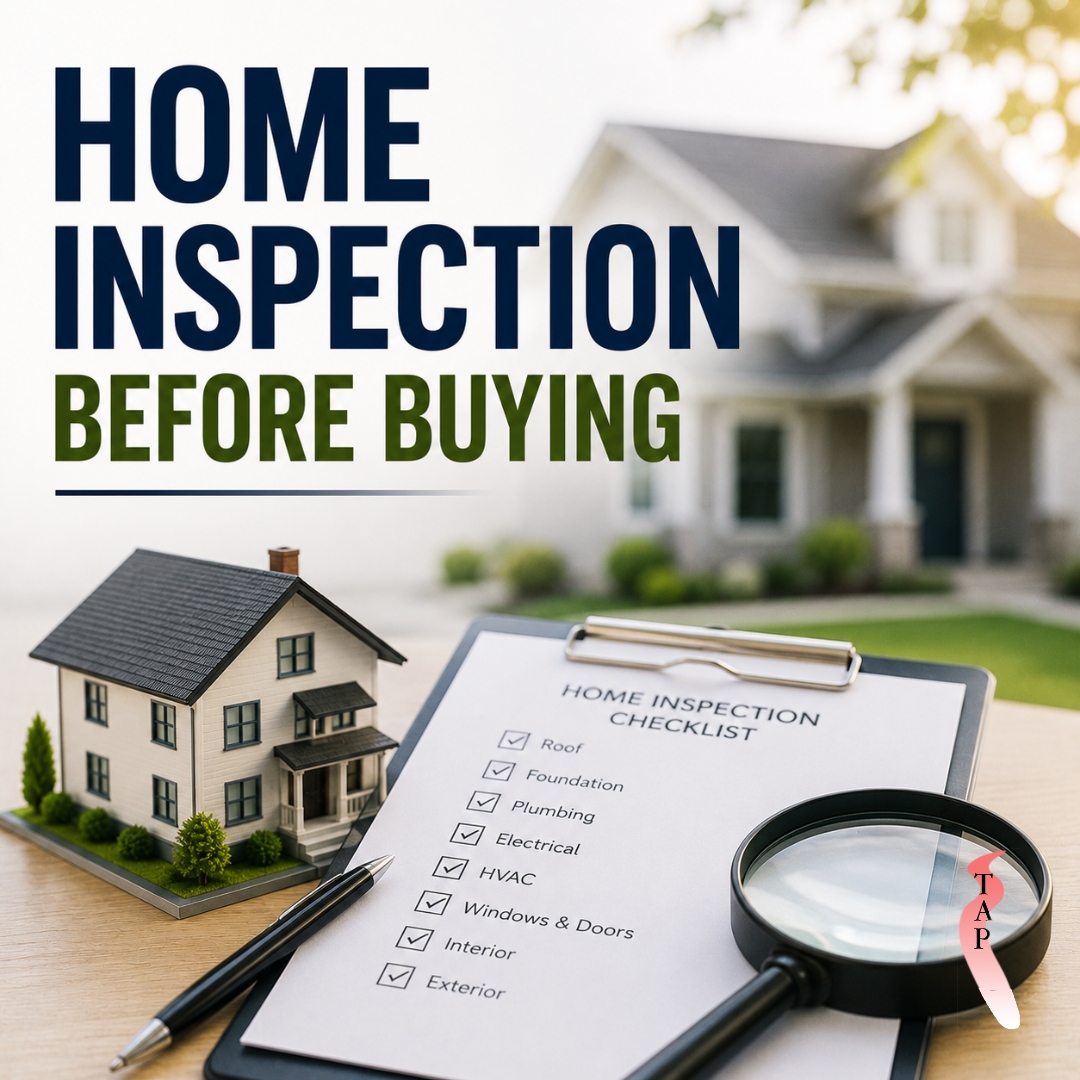
Purchasing a home is one of the largest financial decisions many people will make, and understanding the property's condition is an important part of that process. While a home may appear well maintained during a viewing, some issues are not always visible without a more detailed evaluation.
A professional home inspection provides buyers with valuable information about the condition of a property before ownership changes hands. Rather than guaranteeing that a home is free of problems, an inspection helps buyers better understand the property's strengths, areas that may require maintenance, and potential future expenses. This knowledge supports more informed and confident purchasing decisions.
What Is a Home Inspection?
A home inspection is a visual assessment of a property's major systems and accessible components.
The purpose is to evaluate the home's overall condition at the time of the inspection and identify any visible concerns that may require attention.
Inspectors typically examine areas that are safely accessible without damaging the property.
What Does a Home Inspection Typically Cover?
Although inspections may vary depending on the property and location, they commonly include an evaluation of:
- Roof condition
- Foundation and structural components
- Exterior walls and siding
- Windows and doors
- Plumbing systems
- Electrical systems
- Heating and cooling systems
- Insulation and ventilation
- Interior walls and ceilings
- Floors and stairways
- Attics and crawl spaces, where accessible
These areas provide an overall picture of the home's current condition.
Roof and Exterior Condition
The roof is one of the most important components of a home.
During an inspection, the inspector may evaluate:
- Roofing materials
- Visible damage
- Signs of leaks
- Gutters and drainage
- Flashing around roof openings
Exterior walls, windows, and doors are also checked for visible signs of deterioration or moisture intrusion.
Plumbing Systems
Plumbing inspections typically involve reviewing visible plumbing components throughout the home.
Inspectors may look for:
- Water leaks
- Pipe condition
- Water pressure
- Drainage performance
- Signs of corrosion
- Visible plumbing damage
Identifying plumbing concerns early can help buyers understand possible future maintenance needs.
Electrical Systems
Electrical safety is another important part of a home inspection.
Inspectors commonly review:
- Electrical panels
- Circuit breakers
- Visible wiring
- Electrical outlets
- Light switches
- Grounding, where visible
The inspection focuses on identifying observable safety concerns and components that may require further evaluation.
Heating and Cooling Systems
Heating, ventilation, and air conditioning systems contribute significantly to a home's comfort.
An inspector may evaluate:
- Furnace operation
- Air conditioning performance
- Visible ductwork
- Ventilation
- Thermostat functionality
Understanding the condition of these systems helps buyers anticipate future maintenance or replacement planning.
Structural Components
The inspection also includes visible structural elements of the home.
This may involve examining:
- Foundation
- Floor structure
- Walls
- Ceilings
- Roof framing
- Support beams
Inspectors look for visible signs of movement, settling, moisture damage, or other structural concerns.
Common Issues Home Inspectors Identify
Every property is unique, but inspectors frequently identify issues such as:
- Roof wear
- Minor plumbing leaks
- Electrical concerns
- Foundation cracks
- Poor drainage
- Moisture intrusion
- Aging HVAC systems
- Damaged insulation
- Worn windows or doors
- General maintenance needs
Many of these findings are common in both older and newer homes and do not necessarily indicate that a property should not be purchased.
Understanding the Inspection Report
After the inspection, buyers typically receive a written report summarizing the findings.
The report often includes:
- Observations about the home's condition
- Photographs of identified concerns
- Maintenance recommendations
- Areas that may require additional evaluation
Reviewing the report carefully helps buyers understand the property's current condition before making long-term ownership decisions.
How a Home Inspection Helps Buyers
A home inspection provides valuable information that supports informed decision-making.
It can help buyers:
- Better understand the property's condition.
- Prepare for future maintenance expenses.
- Plan long-term homeownership responsibilities.
- Identify systems nearing the end of their expected lifespan.
- Budget for future repairs and improvements.
Rather than eliminating uncertainty, an inspection provides additional knowledge that contributes to realistic expectations about owning the home.
Remember That Every Home Requires Maintenance
No home is completely free of maintenance needs.
Even newly constructed properties may develop issues over time.
Homeownership commonly includes ongoing responsibilities such as:
- Routine inspections
- Preventive maintenance
- Appliance servicing
- Roof maintenance
- Plumbing repairs
- Seasonal upkeep
Understanding this reality helps buyers approach homeownership with realistic expectations.
Conclusion
A home inspection is an important part of the home-buying process because it provides buyers with a clearer understanding of a property's overall condition. By evaluating major systems, identifying visible concerns, and documenting maintenance needs, an inspection helps buyers prepare for the responsibilities of long-term ownership.
While no inspection can predict every future issue, the information it provides supports more informed decision-making and realistic financial planning. Taking the time to understand a property's condition before purchasing can help buyers move forward with greater confidence and a better understanding of what homeownership may involve.