Restaurant Inspection Readiness
Health Department Enforcement: The Top Restaurant Violations Cited by Inspectors
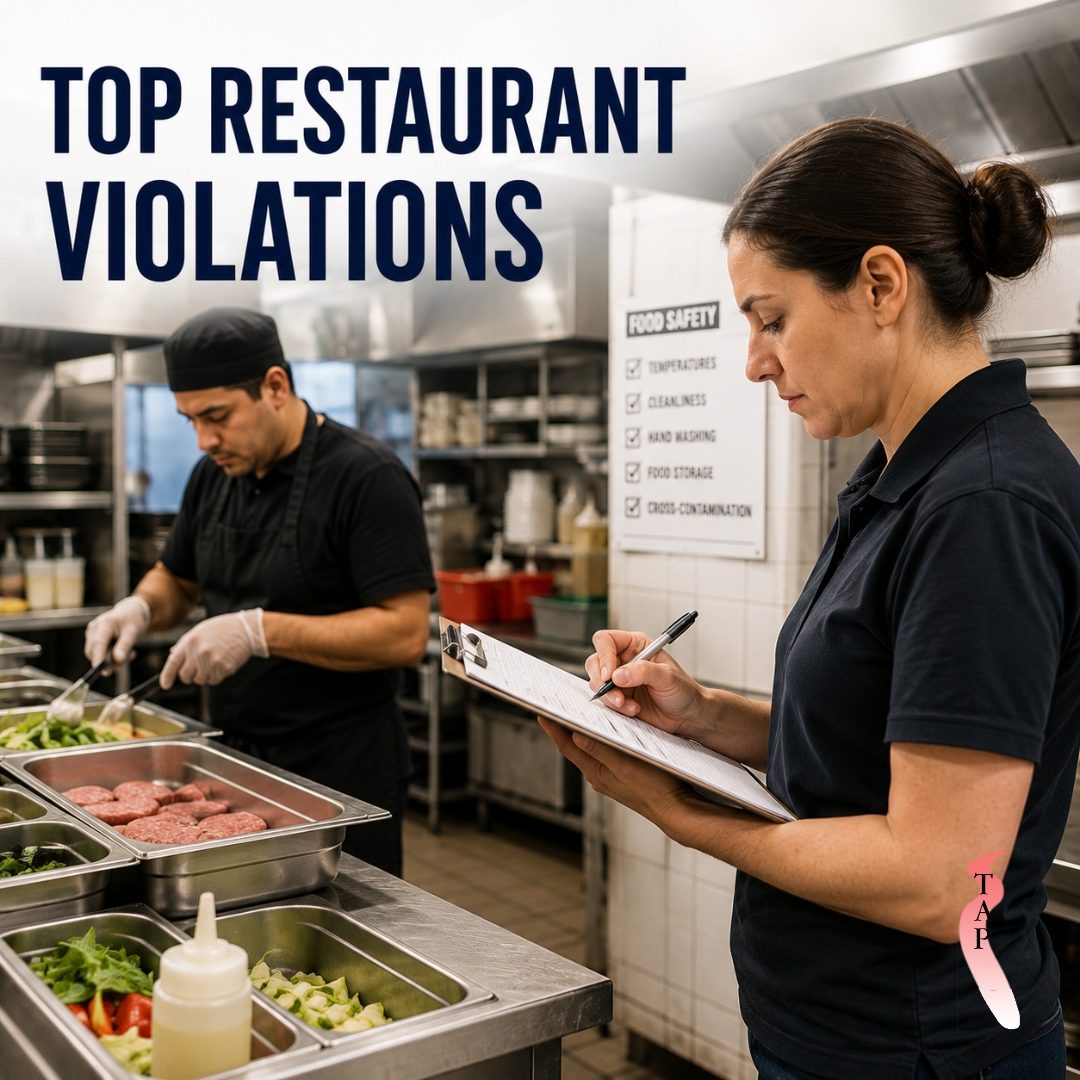
Health inspections are a regular part of operating a restaurant, and most violations cited by inspectors are linked to everyday food handling practices rather than major food safety failures. Small oversights, such as improper temperatures or poor sanitation, can quickly become compliance issues that put customers at risk.
Understanding the violations inspectors most frequently identify allows restaurants to strengthen their food safety programs, improve daily operations, and maintain compliance with health department requirements.
Why Health Department Inspections Matter
Health inspections help ensure restaurants follow food safety regulations designed to protect public health.
Strong compliance helps restaurants:
- Reduce foodborne illness risks
- Protect customers
- Maintain regulatory compliance
- Improve operational consistency
- Reduce costly violations
- Build customer trust
Food safety should be part of every shift, not just inspection day.
The Most Common Restaurant Violations
Health inspectors evaluate every aspect of food handling and restaurant operations.
Common violations include:
- Improper food temperatures
- Poor employee hygiene
- Cross-contamination
- Inadequate cleaning and sanitizing
- Improper food storage
- Pest control issues
- Equipment maintenance problems
- Missing food safety documentation
Consistent attention to these areas helps improve inspection results.
1. Improper Temperature Control
Temperature violations remain one of the most frequently cited inspection findings.
Inspectors often check:
- Cold holding temperatures
- Hot holding temperatures
- Cooling procedures
- Reheating methods
- Food thermometer use
Maintaining proper temperatures helps prevent harmful bacteria from multiplying.
2. Poor Hnd Hygiene
Employee hygiene is one of the first things inspectors observe.
Common concerns include:
- Improper handwashing
- Infrequent glove changes
- Bare hand contact with ready-to-eat foods
- Employees working while ill
Good hygiene is one of the simplest ways to reduce contamination.
3. Cross-Contamination
Cross-contamination can occur when harmful bacteria are transferred between foods or surfaces.
Inspectors may identify:
- Raw foods stored above ready-to-eat foods
- Shared cutting boards
- Improper utensil use
- Contaminated food-contact surfaces
Proper separation of foods helps reduce foodborne illness risks.
4. Cleaning and Sanitizing Deficiencies
Restaurants must clean and sanitize equipment consistently throughout the day.
Inspectors often review:
- Food preparation surfaces
- Cooking equipment
- Cutting boards
- Utensils
- Dishwashing procedures
- Sanitizer concentrations
Routine cleaning supports both food safety and compliance.
5. Improper Food Storage
Food should be stored safely to prevent contamination and spoilage.
Common storage violations include:
- Incorrect date marking
- Improper labeling
- Uncovered food
- Food stored directly on the floor
- Overstocked refrigeration units
Organized storage helps improve both safety and efficiency.
Staying Ready for Every Inspection
Restaurants that consistently follow food safety procedures are generally better prepared for inspections.
Best practices include:
- Train employees regularly.
- Monitor food temperatures throughout the day.
- Reinforce proper handwashing.
- Clean and sanitize equipment consistently.
- Conduct routine self-inspections.
- Correct food safety issues immediately.
Daily consistency is the key to long-term compliance.
The Role of Restaurant Managers
Managers are responsible for maintaining food safety standards across every shift.
Leadership responsibilities include:
- Supervising employees
- Monitoring food safety procedures
- Reviewing sanitation practices
- Correcting unsafe behaviors
- Maintaining food safety records
- Reinforcing ongoing training
Strong management helps create a culture of accountability.
Why Food Safety Training Matters
Employees who understand food safety requirements are better prepared to prevent common inspection violations.
Food Handler Training | TAP Series® teaches employees essential food s afety practices, including personal hygiene, contamination prevention, temperature control, cleaning, and safe food handling techniques used in restaurant operations.
Foodservice Food Safety Manager Certification Training | TAP Series® prepares managers to oversee food safety systems, maintain regulato ry compliance, supervise daily operations, and improve inspection readiness.
Together, these courses help restaurants strengthen compliance while reducing the likelihood of health department violations.
Strong Food Safety Practices Lead to Better Inspection Results
Health inspections are designed to verify that restaurants consistently follow safe food handling practices. Businesses that invest in employee education, effective management, and routine food safety procedures are better equipped to meet regulatory expectations and protect public health.
By making food safety part of everyday operations, restaurants can reduce violations, improve inspection outcomes, and provide customers with greater confidence in every meal they serve.