Restaurant Alcohol Safety
Preventing Alcohol Liability With Smarter Restaurant Service Practices
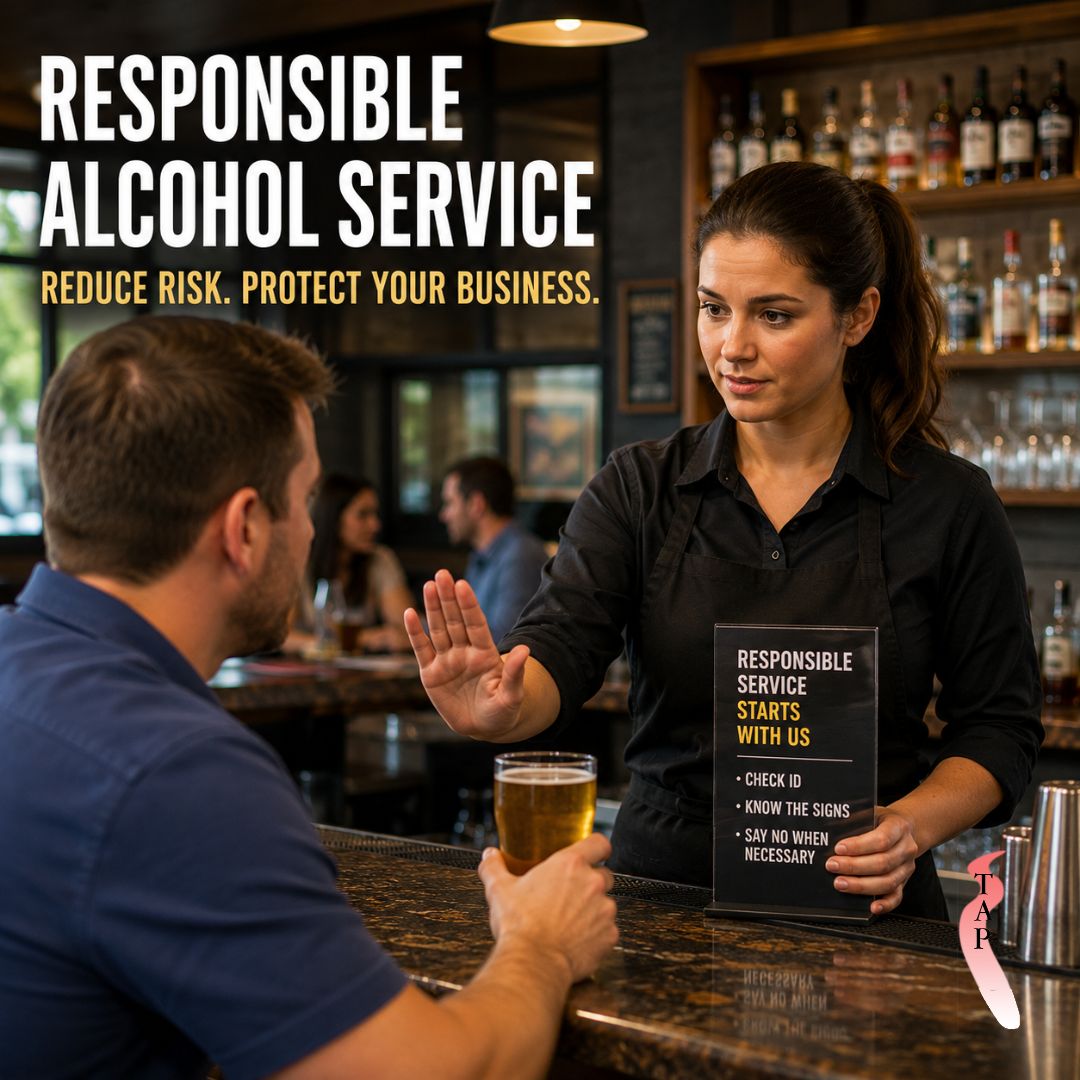
Serving alcohol can enhance the customer experience, but it also creates legal responsibilities for restaurants. Every decision made by servers, bartenders, and managers can affect customer safety, public well-being, and the business itself. Failing to follow responsible alcohol service practices can result in lawsuits, regulatory penalties, and damage to a restaurant's reputation.
Understanding alcohol liability helps restaurants create safer environments while protecting employees, customers, and the business from unnecessary risk.
Why Responsible Alcohol Service Matters
Restaurants that serve alcohol are expected to follow laws and policies that promote responsible service.
Effective alcohol service helps:
- Protect customers and the public
- Reduce alcohol-related incidents
- Support legal compliance
- Minimize business liability
- Protect liquor licenses
- Strengthen customer confidence
Responsible service is an important part of restaurant operations.
Common Situations That Increase Liability
Many alcohol-related incidents begin with routine service decisions.
Common risk factors include:
- Serving visibly intoxicated customers
- Failing to verify identification
- Serving underage individuals
- Ignoring signs of impairment
- Poor communication between employees
- Lack of documented alcohol service procedures
Recognizing these situations helps employees make safer decisions.
1. Serving Intoxicated Customers
Continuing to serve alcohol after a guest becomes visibly intoxicated can increase legal exposure.
Possible warning signs include:
- Slurred speech
- Poor coordination
- Difficulty maintaining balance
- Aggressive behavior
- Loud or disruptive conduct
- Impaired judgment
Employees should know when to stop alcohol service and involve management when necessary.
2. Failing to Verify Identification
Checking identification carefully is one of the most important responsibilities of alcohol servers.
Common mistakes include:
- Accepting expired identification
- Failing to examine identification carefully
- Relying only on appearance
- Ignoring suspicious identification
Consistent ID verification helps prevent illegal alcohol sales.
3. Poor Communication Among Staff
Alcohol service requires teamwork throughout every shift.
Communication problems may occur when:
- Shift changes are incomplete
- Employees fail to notify supervisors about intoxicated guests
- Multiple servers continue serving the same customer
- Staff members overlook concerning behavior
Strong communication helps reduce unnecessary risks.
Understanding the Consequences
Alcohol service violations can have significant consequences for restaurants.
Potential outcomes include:
- Civil lawsuits
- Regulatory fines
- Suspension or loss of liquor licenses
- Increased insurance costs
- Financial losses
- Damage to business reputation
- Reduced customer trust
Preventing these issues begins with responsible service practices.
Building a Responsible Alcohol Service Program
Restaurants can reduce liability by establishing clear procedures for alcohol service.
Best practices include:
- Verify identification consistently.
- Monitor customers throughout service.
- Recognize signs of intoxication.
- Communicate concerns with supervisors.
- Refuse alcohol service when appropriate.
- Document incidents according to company procedures.
These practices help employees respond confidently and consistently.
The Role of Managers
Managers play an essential role in maintaining responsible alcohol service.
Leadership responsibilities include:
- Reinforcing alcohol service policies
- Supporting employees during difficult situations
- Monitoring compliance
- Responding to customer concerns
- Reviewing alcohol-related incidents
- Promoting responsible decision making
Strong leadership helps build a culture of accountability.
Why Alcohol Training Matters
Responsible alcohol service requires employees to understand both legal responsibilities and practical decision making.
Alcohol Training | TAP Series® provides employees with pract ical guidance on responsible alcohol service, identifying signs of intoxication, verifying identification, preventing underage alcohol sales, handling challenging situations professionally, and reducing alcohol-related liability.
The course helps restaurants strengthen compliance while protecting employees, customers, and the business.
Responsible Service Protects Your Business
Alcohol liability is not limited to major incidents. Small service decisions made throughout the day can have lasting legal and financial consequences if employees are not properly prepared.
By investing in alcohol service training, reinforcing clear procedures, and promoting responsible decision making, restaurants can reduce legal exposure, improve compliance, and create a safer environment for everyone.