Mandatory Reporter Awareness
How Schools Can Strengthen Student Safety Through Mandatory Reporting
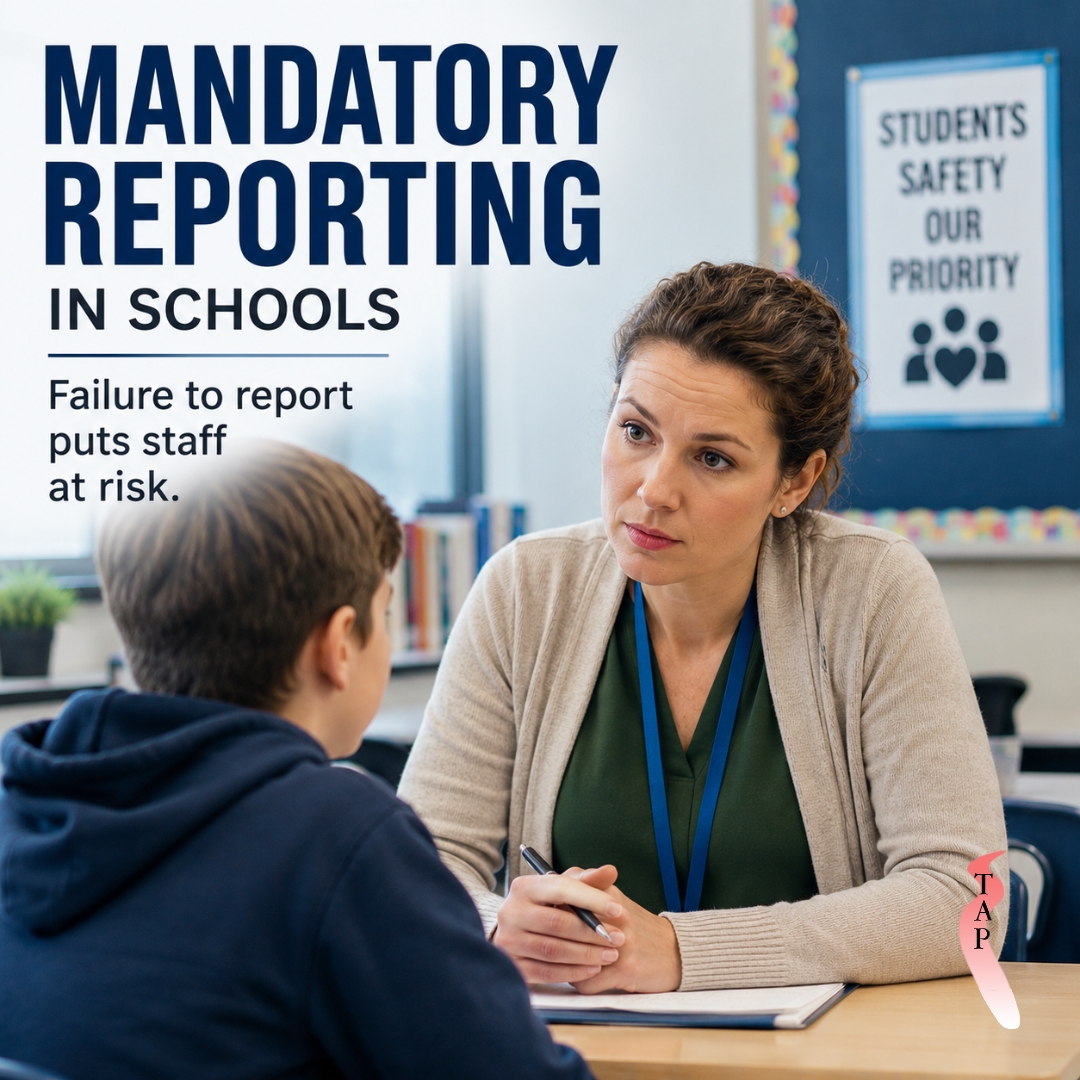
Every school employee has a responsibility to help create a safe learning environment for students. While educators, administrators, counselors, and support staff may have different roles, they all share an obligation to recognize and report suspected abuse or neglect when required by law or school policy.
Failing to report concerns can place children at continued risk while also exposing school employees and educational institutions to legal, professional, and reputational consequences. Understanding mandatory reporting requirements helps staff protect students while fulfilling their responsibilities with confidence.
Why Mandatory Reporting Matters
Mandatory reporting laws are designed to protect children by ensuring concerns are reported promptly to the appropriate authorities.
Effective reporting helps:
- Protect student safety
- Support early intervention
- Meet legal obligations
- Reduce institutional risk
- Promote accountability
- Strengthen community trust
Timely reporting can make a meaningful difference in a child's well-being.
Understanding the Responsibility to Report
School employees are not expected to investigate suspected abuse or determine whether abuse has occurred.
Instead, their responsibility is to:
- Recognize concerning situations
- Document observations appropriately
- Report concerns through required procedures
- Cooperate with authorized agencies
- Follow school reporting policies
Reporting allows trained professionals to evaluate the situation.
Common Situations That Require Reporting
Mandatory reporting obligations may arise when employees observe or receive information that raises reasonable concern.
Examples include:
- Signs of physical abuse
- Indicators of neglect
- Disclosures made by a student
- Suspected sexual abuse
- Emotional abuse or concerning behavior
- Repeated unexplained injuries
Employees should understand both state requirements and school procedures.
The Risks of Failing to Report
Failure to report suspected abuse may have serious consequences.
Potential risks include:
- Continued harm to a child
- Legal penalties
- Professional disciplinary action
- Loss of educator credentials
- Civil liability
- Damage to school reputation
Prompt reporting helps protect both students and staff.
Creating a Culture of Awareness
Schools can strengthen student protection by encouraging employees to understand their reporting responsibilities.
Best practices include:
- Provide mandatory reporting training regularly.
- Review reporting procedures each school year.
- Encourage employees to report concerns promptly.
- Maintain accurate documentation.
- Support employees throughout the reporting process.
- Reinforce confidentiality requirements.
Ongoing education helps employees respond appropriately when concerns arise.
The Role of School Leadership
Administrators help ensure reporting procedures are understood and followed consistently.
Leadership responsibilities include:
- Establishing clear reporting policies
- Supporting employees who report concerns
- Reinforcing legal obligations
- Maintaining accurate documentation
- Providing ongoing training
- Promoting a student safety culture
Strong leadership encourages employees to act with confidence when concerns arise.
Why Mandatory Reporter Training Matters
Mandatory reporting responsibilities can be complex, particularly when employees are uncertain about what should be reported or how the reporting process works.
Mandatory Reporter Training | TAP Series® provides practical guidance on recognizi ng indicators of abuse and neglect, understanding mandatory reporting responsibilities, documenting concerns appropriately, and following reporting procedures that support student safety and legal compliance.
The course helps educational organizations strengthen compliance while creating safer learning environments for students and staff.
Reporting Protects Students and Staff
Mandatory reporting is one of the most important responsibilities shared by school employees. Acting promptly when concerns arise helps protect vulnerable children while reducing legal and professional risks for educators and educational institutions.
By providing regular training, reinforcing reporting procedures, and promoting a culture of awareness, schools can strengthen student protection and ensure employees are prepared to respond appropriately when it matters most.