Homeownership Paperwork
Essential Documents Every Homebuyer Should Understand
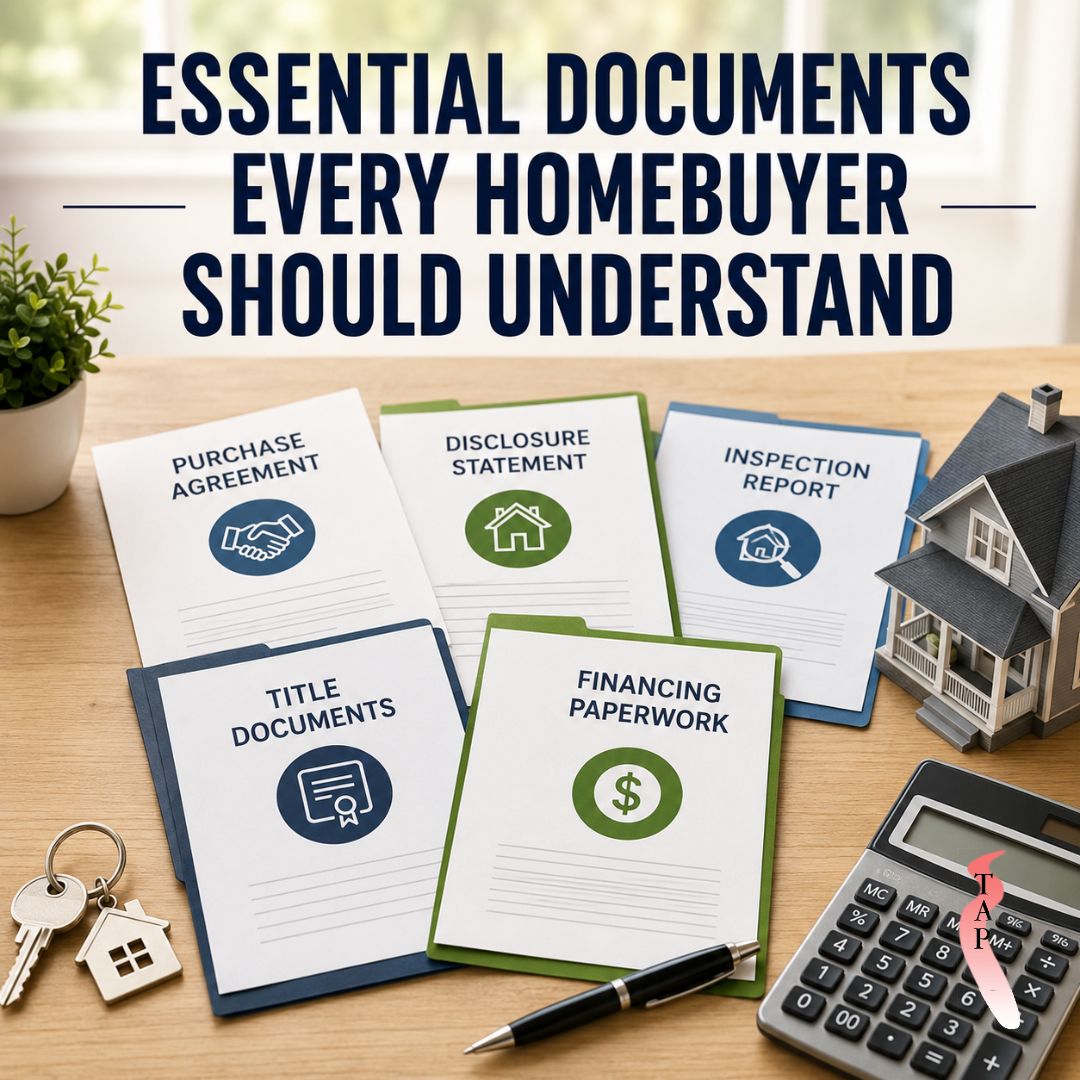
Buying a home involves more than finding the right property. Throughout the purchasing process, buyers will encounter several important documents that explain the property's condition, the terms of the purchase, ownership details, and financing arrangements. Understanding the purpose of these documents can help buyers feel more informed and confident as they move through the home-buying journey.
While the specific paperwork may vary depending on the location and transaction, several documents are commonly involved in residential property purchases. Becoming familiar with these documents allows buyers to better understand what they are reviewing and why each one matters.
Purchase Agreement
One of the most important documents in a home purchase is the purchase agreement.
This document outlines the terms and conditions agreed upon by the buyer and seller.
A purchase agreement commonly includes:
- Purchase price
- Property address
- Items included with the sale
- Important dates
- Conditions that must be satisfied before the sale is completed
- Responsibilities of each party
Reading the agreement carefully helps buyers understand the overall structure of the transaction.
Property Disclosure Statement
A disclosure statement provides information about the property's known condition.
Depending on local laws and regulations, sellers may disclose information related to:
- Previous repairs
- Water damage
- Structural concerns
- Pest issues
- Roof condition
- Plumbing or electrical problems
- Environmental matters
Disclosure statements help buyers gain a better understanding of the property's history and any known issues before completing the purchase.
Home Inspection Report
A home inspection report summarizes the findings of a professional inspection of the property.
The report typically covers major systems and visible components, including:
- Roof
- Foundation
- Plumbing
- Electrical systems
- Heating and cooling equipment
- Windows and doors
- Insulation
- Structural elements
Rather than guaranteeing that a property is free from problems, the report helps buyers understand its current condition and identify potential maintenance needs.
Title Documents
Title documents relate to the legal ownership of the property.
These documents help verify:
- Current ownership
- Legal description of the property
- Existing recorded interests
- Ownership history
Understanding title documents helps buyers recognize who legally owns the property before ownership changes hands.
Financing Documents
If a home purchase involves a mortgage, buyers will review financing paperwork explaining the terms of the loan.
These documents commonly describe:
- Loan amount
- Interest rate
- Loan term
- Estimated monthly payments
- Payment schedule
- Other financing details
Understanding financing documents helps buyers know how the mortgage works throughout the repayment period.
Closing Documents
Near the completion of the purchase, buyers typically receive closing documents.
These documents summarize important financial details related to the transaction.
They often include information about:
- Purchase price
- Closing costs
- Taxes
- Fees
- Loan information
- Final payment amounts
Reviewing these documents carefully helps buyers understand the financial breakdown of the purchase.
Property Survey or Boundary Information
In some transactions, buyers may receive a property survey or similar boundary documentation.
This information may identify:
- Property boundaries
- Easements
- Structures
- Driveways
- Shared access areas
Understanding the property's boundaries can help buyers become familiar with the land they are purchasing.
Homeowners Association Documents
If the property is part of a homeowners association (HOA) or similar community organization, buyers may receive additional documentation.
These documents often explain:
- Community rules
- Maintenance responsibilities
- Shared amenities
- Fees
- Association policies
Reviewing these materials helps buyers understand how the community operates and what responsibilities come with ownership.
Why These Documents Matter
Each document provides different information about the property and the purchase process.
Together, they help buyers understand:
- The property's condition.
- Ownership details.
- Financial obligations.
- Community requirements.
- Long-term responsibilities.
Reading each document carefully allows buyers to better understand what they are agreeing to before completing the purchase.
Organize Your Paperwork
Keeping home-buying documents organized can make the process easier.
Consider storing copies in a dedicated folder or secure digital location.
Organizing documents can help you quickly locate important information after becoming a homeowner, especially when planning maintenance, refinancing, or future property improvements.
Practical Example
Imagine a first-time buyer reviewing documents for a home purchase.
The purchase agreement explains the terms of the sale.
The disclosure statement provides information about previous repairs.
The inspection report identifies maintenance items that may require attention in the future.
The financing documents explain the mortgage payments.
Finally, the title documents confirm the property's legal ownership.
Together, these documents provide a clearer understanding of the property and the responsibilities that come with owning it.
Conclusion
Understanding the essential documents involved in buying a home helps buyers make more informed decisions throughout the purchasing process. From purchase agreements and disclosure statements to inspection reports, title documents, and financing paperwork, each document serves a specific purpose in explaining the property's condition, ownership, and financial obligations.
Taking the time to read and understand these documents can help buyers approach homeownership with greater confidence and a clearer understanding of the commitments involved in purchasing a property.