Developing Communities
The Pros and Cons of Buying Property in Emerging Areas
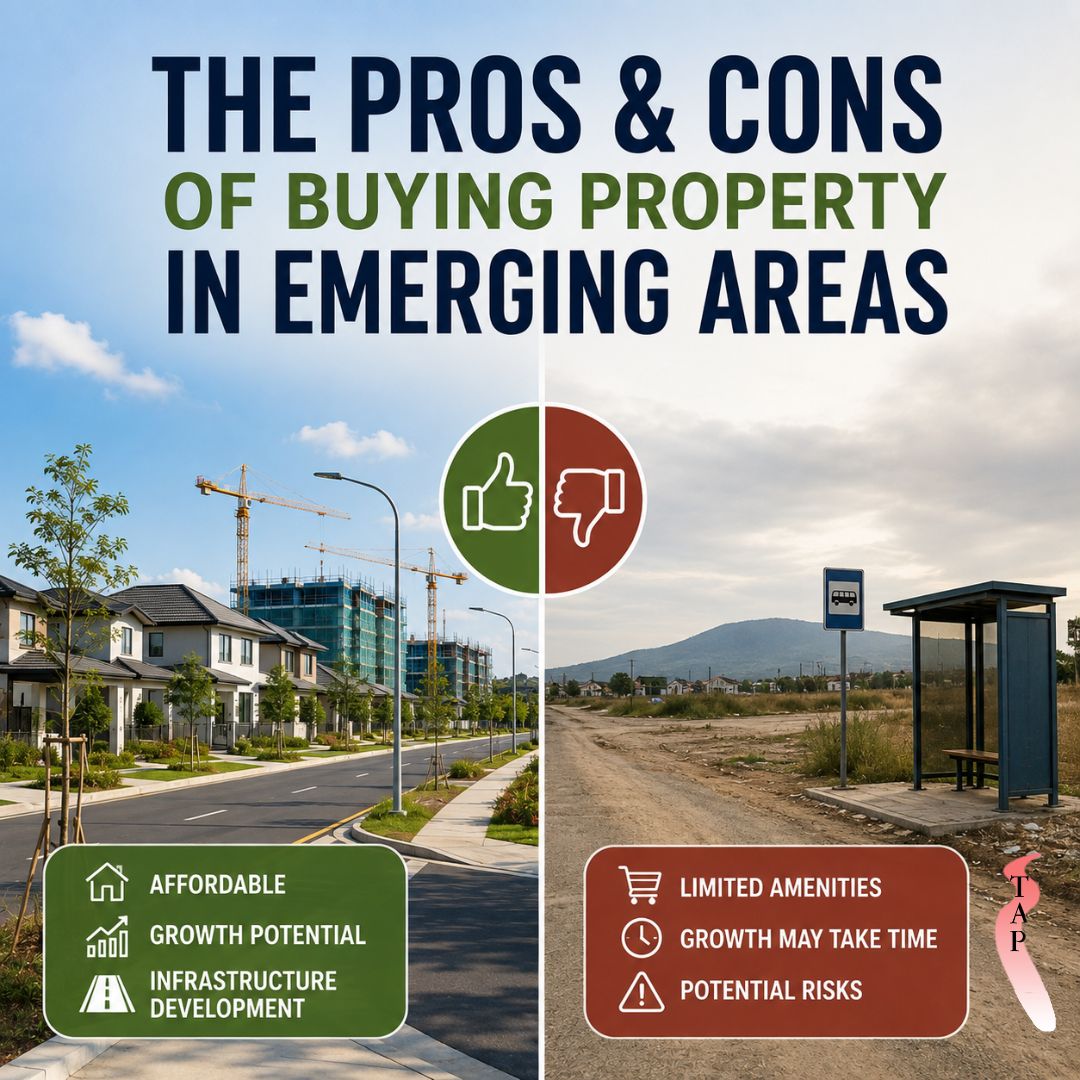
When searching for a home, many buyers naturally focus on established neighborhoods. However, emerging areas are becoming an increasingly attractive option for those looking for affordability and future growth opportunities. These communities are often experiencing new residential developments, infrastructure improvements, and expanding local services.
While buying property in an emerging area may offer certain advantages, it also comes with considerations that buyers should evaluate carefully. Understanding both the potential benefits and possible drawbacks can help you make a well-informed decision that aligns with your financial goals and lifestyle.
What Is an Emerging Area?
An emerging area is a neighborhood or community that is experiencing ongoing growth and development.
Common characteristics may include:
- New residential housing
- Expanding road networks
- New schools or healthcare facilities
- Growing commercial developments
- Increasing employment opportunities
- Population growth
Because these communities are still developing, they may look quite different several years from now.
Potential Advantage: Greater Affordability
One of the main reasons buyers consider emerging areas is affordability.
Compared with more established neighborhoods, homes in developing communities may have:
- Lower purchase prices
- More housing options within the same budget
- Larger homes or lots for similar spending
For buyers with limited budgets, an emerging neighborhood may provide opportunities that are less accessible in higher-priced areas.
Potential Advantage: Infrastructure Development
Emerging communities often benefit from ongoing infrastructure improvements.
Examples include:
- New roads and highways
- Public transportation projects
- Parks and recreation facilities
- Schools
- Medical centers
- Shopping districts
Improved infrastructure can increase convenience for residents and contribute to the area's long-term appeal.
Potential Advantage: Growing Communities
As more people move into an area, additional businesses and services often follow.
Over time, residents may benefit from:
- More retail stores
- Restaurants
- Community facilities
- Entertainment options
- Recreational spaces
The availability of these amenities may improve the overall living experience as the community continues to develop.
Potential Consideration: Amenities May Be Limited
One challenge of buying in an emerging area is that certain services may not yet be fully established.
Buyers may initially experience:
- Longer travel distances to shopping centers
- Fewer dining options
- Limited healthcare facilities
- Fewer public transportation choices
These amenities may improve over time, but buyers should evaluate whether the current level of convenience fits their lifestyle.
Potential Consideration: Growth May Take Time
Development rarely happens overnight.
Although plans for new infrastructure and commercial projects may exist, construction timelines can vary.
Some planned improvements may take several years to complete.
As a result, buyers should avoid assuming that every proposed development will be completed immediately.
Potential Consideration: Property Values May Change Gradually
Many buyers hope that purchasing in an emerging area will lead to long-term property value growth.
While this is possible in some communities, appreciation is never guaranteed.
Property values may be influenced by factors such as:
- Local economic conditions
- Housing demand
- Employment growth
- Infrastructure completion
- Population changes
Some areas may experience gradual appreciation, while others may develop more slowly than expected.
Research the Neighborhood Carefully
Before purchasing property in an emerging area, it is helpful to research:
- Current infrastructure
- Planned developments
- Transportation options
- Schools
- Healthcare services
- Employment opportunities
- Population growth
- Local amenities
Gathering information from multiple reliable sources can provide a more complete understanding of the community.
Practical Example
Imagine two buyers with similar budgets.
Buyer A purchases a home in a well-established neighborhood with mature amenities and higher property prices.
Buyer B purchases a similar-sized home in a developing community where the purchase price is lower, but fewer services are currently available.
Over the following years, the emerging area gains new roads, retail centers, and recreational facilities.
Although Buyer B enjoys greater convenience over time, the pace of development and changes in property values depend on local economic conditions and community growth.
This example illustrates why buyers should balance present-day needs with long-term expectations.
Questions to Ask Before Buying
When considering an emerging neighborhood, ask yourself:
- Does the area meet my current lifestyle needs?
- Am I comfortable with ongoing community development?
- How convenient are essential services today?
- What infrastructure projects are planned?
- How long do I expect to live in this home?
- Does the property's affordability fit comfortably within my budget?
These questions can help you evaluate whether the neighborhood aligns with your long-term goals.
Conclusion
Buying property in an emerging area can offer opportunities such as greater affordability, expanding infrastructure, and growing communities. At the same time, buyers should carefully consider factors such as limited amenities, development timelines, and the uncertainty of future property appreciation.
By researching the neighborhood thoroughly and balancing both the advantages and potential challenges, buyers can make informed decisions that reflect their financial situation, lifestyle, and long-term homeownership goals.