Home Buying Tips
What to Look for During Your First Home Viewing
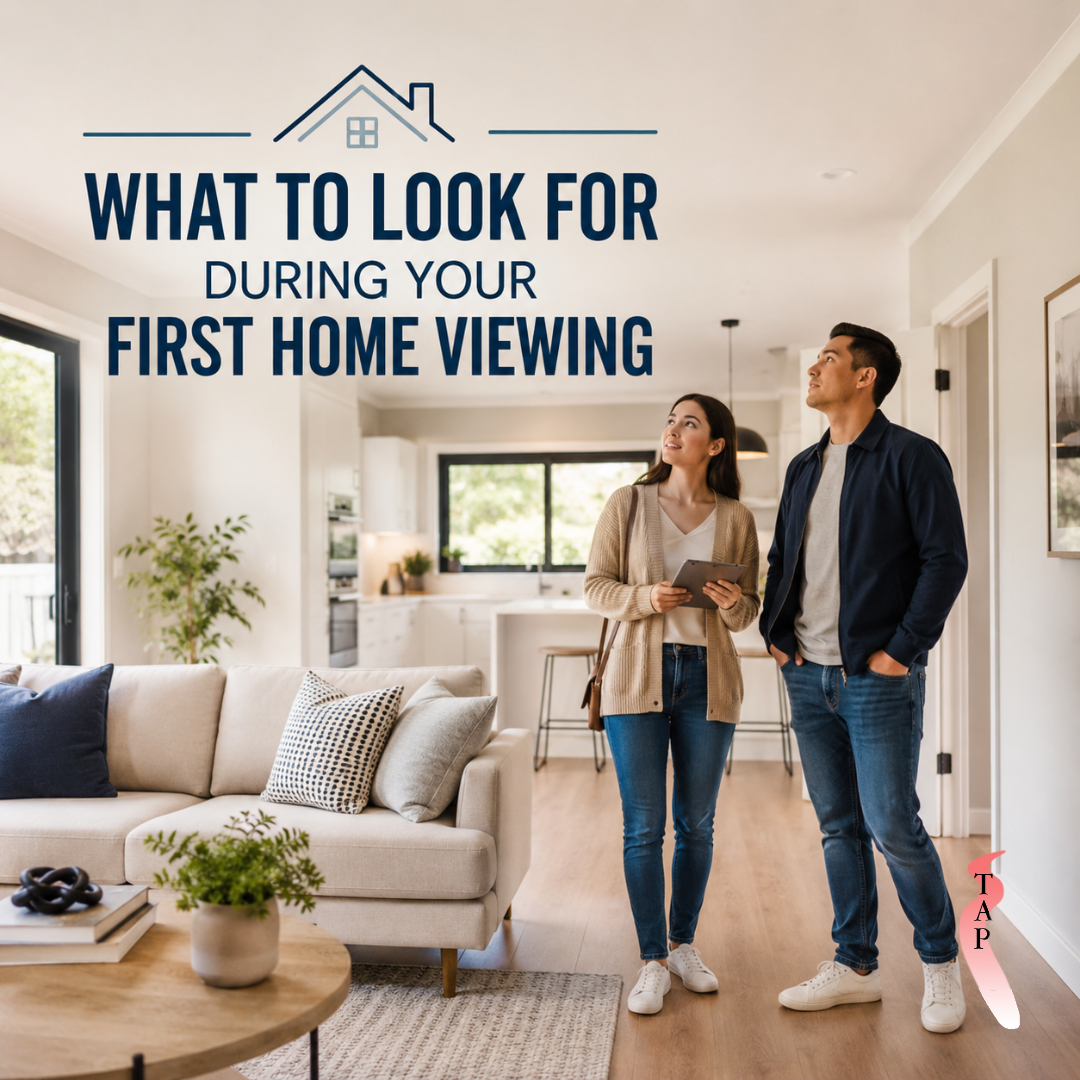
Your first home viewing can be exciting, but it is also an opportunity to look beyond the property's appearance and consider how well it could work for your everyday life. A freshly painted room or attractive furniture can make a strong first impression, but practical details such as the property's condition, layout, lighting, storage, and noise levels may have a greater impact on your experience as a homeowner.
For first-time buyers, knowing what to observe can make a viewing more productive. Rather than focusing only on whether you like the home, take time to assess how the property functions, what may need attention, and whether it suits your needs.
Check the Overall Condition
Start by looking carefully at the property's general condition. You do not need to identify every potential problem during a viewing, but visible signs of wear can indicate areas that deserve closer attention.
Look at:
- Walls and ceilings for cracks, stains, dampness, or signs of previous repairs
- Floors for uneven areas, damage, or excessive wear
- Windows and doors to see whether they open, close, and lock properly
- Fixtures, fittings, and built-in appliances for visible damage
- Bathrooms and kitchens for signs of moisture, mould, or deterioration
- Outdoor areas for damaged surfaces, drainage concerns, or maintenance needs
It can be useful to take notes or photographs, where permitted, so you can compare properties later. A professional inspection may also be appropriate before making a purchase, particularly if you have concerns that cannot be assessed during a normal viewing.
Pay Attention to the Layout
A property's floor plan can look practical on paper but feel very different when you walk through it. Consider how you would actually use each room.
Ask yourself whether there is enough space for your furniture, work requirements, hobbies, or household needs. Think about the relationship between shared and private areas too.
For example, an open-plan kitchen and living area may suit someone who enjoys entertaining, while another buyer may prefer separate rooms for quieter activities.
Also consider movement through the home. Are bedrooms conveniently located? Is the bathroom accessible without passing through private areas? Does the kitchen provide enough working space?
A good layout is not necessarily the largest one. It is one that works reasonably well for the way you expect to use the property.
Observe Natural Light
Lighting can significantly influence how a home feels throughout the day. During your viewing, notice which rooms receive natural light and when.
Look at the size and position of windows, the direction they face, and whether neighbouring buildings, trees, fences, or other structures block sunlight.
If possible, consider viewing the property at different times of day. A room that appears bright during an afternoon viewing may receive considerably less natural light in the morning.
Artificial lighting also deserves attention. Check whether rooms have sufficient light fittings and whether darker areas may require additional lamps or electrical work.
Look at Storage Space
Storage is easy to overlook when a property is staged with minimal belongings. Once you move in, however, everyday items can quickly fill cupboards and closets.
Check the available storage in:
- Bedrooms
- Kitchen cabinets
- Bathroom cupboards
- Hallways
- Garages
- Laundry areas
- Outdoor sheds or storage spaces
Think about the items you already own and where they would go. If the property has limited built-in storage, consider whether furniture or other solutions could reasonably make up the difference without making rooms feel crowded.
Listen for Noise
A quiet viewing does not necessarily mean the property is quiet all the time. Take a moment to listen rather than concentrating only on what you can see.
Notice sounds from nearby roads, neighbours, construction sites, public spaces, businesses, trains, or other properties.
You can also pay attention to the sound insulation between rooms. If possible, close windows briefly and listen to the difference. This can help you understand how much outside noise enters the home.
The surrounding environment can change throughout the day, so returning at another time may provide a more complete picture.
Test Everyday Functionality
Think beyond whether everything looks attractive. Consider whether the home functions conveniently.
Check whether there are enough power outlets in practical locations. Look at the kitchen workspace and storage. Consider the position of laundry facilities and whether bathrooms are conveniently located.
You might also consider:
- Mobile phone reception
- Internet availability
- Water pressure
- Heating or cooling systems
- Parking arrangements
- Accessibility of stairs and entrances
- Outdoor maintenance requirements
You do not need to test every feature during a short viewing, but making a checklist can help you remember the details that matter to your household.
Consider the Property Beyond Its Appearance
A home viewing should help you understand the property, not simply decide whether you like its décor. Try to separate temporary features from things that are more difficult or expensive to change.
Paint colours, furniture, curtains, and decorative finishes can usually be changed. The position of rooms, amount of natural light, surrounding noise, storage capacity, and relationship with neighbouring properties may be much harder to alter.
It is also worth considering ongoing responsibilities. A large garden, pool, extensive outdoor space, or older property may require more maintenance than a smaller or newer home.
Take Notes Before You Leave
After viewing several properties, details can start to blur together. Write down your observations while they are still fresh.
Most importantly, give yourself time to look carefully rather than rushing because a property makes a strong first impression. A home can look appealing while still having practical limitations that become apparent only after closer observation.
For first-time buyers, approaching a viewing with a checklist can make it easier to compare properties objectively and identify questions that may require further investigation before making a decision.