Real Estate Home Buying Tips
What Buyers Should Know About Older Homes
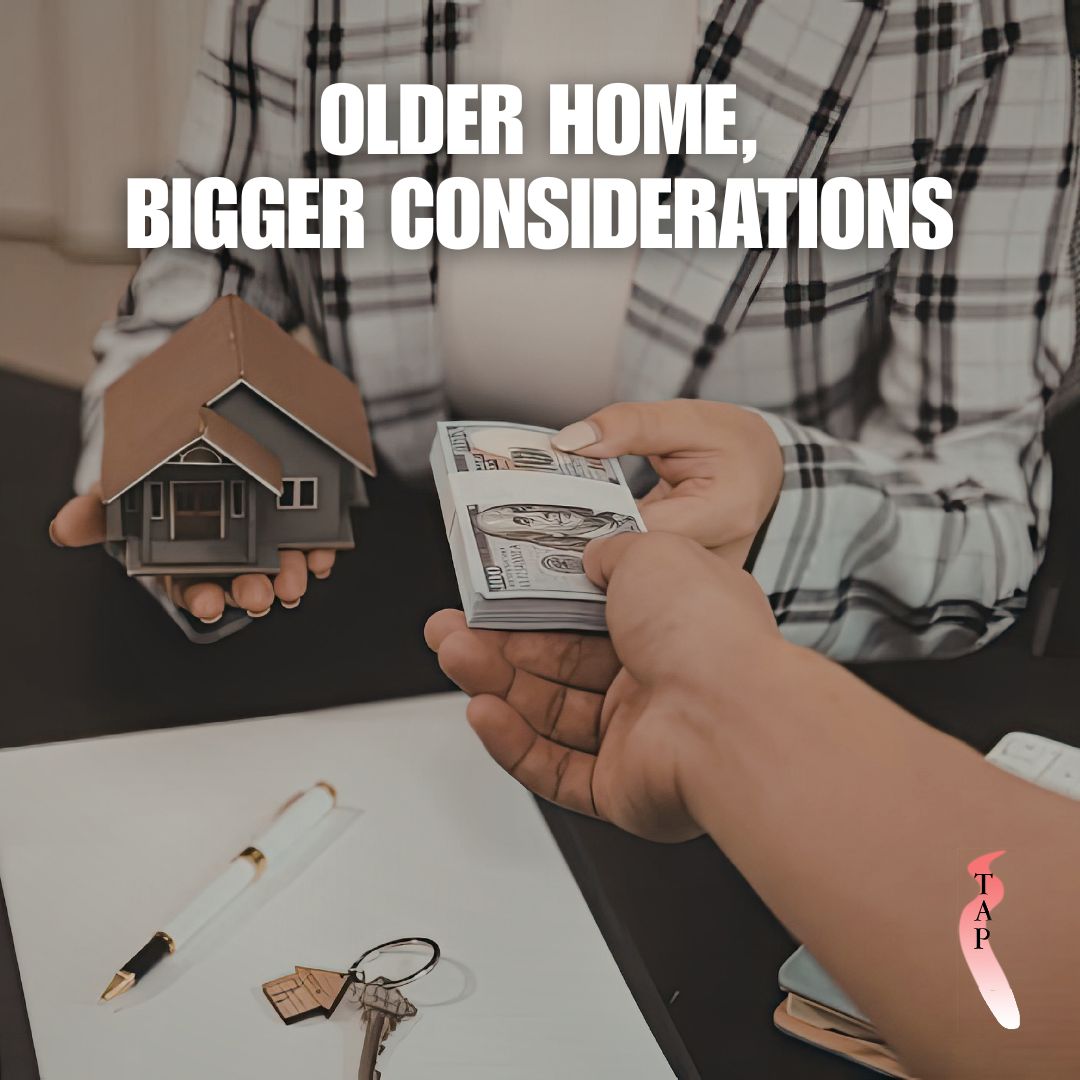
Older homes can offer features that are difficult to find in newer properties, from distinctive architectural details to established gardens and mature neighborhoods. At the same time, their age can bring maintenance requirements and systems that may need closer attention.
For buyers considering an older property, understanding both its character and its practical condition is important. The age of a home does not automatically determine whether it is suitable, but it can influence what you should inspect and what questions you may want to ask.
Appreciate the Character and Design
One of the main attractions of older homes is their character. Original woodwork, decorative ceilings, fireplaces, larger windows, established landscaping, and traditional architectural details can give a property a distinctive appearance.
Older homes may also have layouts that differ from modern properties. Some buyers appreciate separate rooms and traditional floor plans, while others may prefer open-plan living and contemporary features.
Consider whether the home's existing design suits the way you expect to use the property. Changes may be possible, but altering an older structure can require additional planning and expense.
Look Closely at Maintenance Needs
Older properties may have experienced years of normal wear and tear. During a viewing, look for visible signs of deterioration, including damaged surfaces, cracks, moisture marks, worn flooring, deteriorating exterior materials, or areas that appear to have been repeatedly repaired.
Maintenance needs can vary considerably between individual properties. A well-maintained older home may be in better condition than a newer property that has received limited upkeep.
A professional property inspection can provide a more detailed assessment of areas that are difficult to evaluate during a viewing.
Check the Electrical System
Electrical systems deserve particular attention in older homes. The wiring, electrical panel, outlets, and other components may have been installed many years ago and could differ from modern requirements.
Look for signs such as limited outlets, damaged switches, unusual fixtures, or visible wiring concerns. These observations do not necessarily indicate a problem, but they may warrant further investigation by a qualified professional.
It is also worth considering whether the electrical system can accommodate your current needs, particularly if you use multiple appliances, computers, heating or cooling equipment, or other high-demand devices.
Pay Attention to Plumbing
Plumbing is another area that can require closer attention in an older property. Older pipes and fixtures may have different materials or designs from those commonly used today.
During a viewing, look for signs of leaks, water stains, corrosion, dampness, or unusually low water pressure. Check under sinks where accessible and pay attention to the condition of visible plumbing.
Questions about the age and history of plumbing work can help provide additional context. If concerns remain, further professional assessment may be appropriate.
Inspect the Roof and Exterior
The roof protects the rest of the property, making its condition an important consideration. An older roof may be closer to the end of its expected service life, depending on its materials, installation, weather exposure, and maintenance history.
Look for visible signs of damaged roofing materials, water stains on ceilings, blocked gutters, or deterioration around roof edges. However, a viewing cannot provide a complete assessment of a roof's condition.
The exterior walls, foundations, windows, doors, and drainage areas should also receive attention. These components can affect the property's durability, comfort, and maintenance requirements.
Consider Energy Efficiency
Energy efficiency can vary between older and newer homes. Older properties may have less insulation, single-glazed windows, older heating and cooling equipment, or other features that affect energy consumption.
Look at the windows, insulation where information is available, heating and cooling systems, and general ventilation. Ask about previous energy usage if reliable information is available.
Upgrades such as improved insulation, more efficient appliances, or upgraded windows may improve comfort and reduce energy use, but buyers should consider the cost and practicality of any improvements.
Think About Previous Renovations
An older home may contain a mixture of original and renovated features. A modern kitchen or bathroom does not necessarily mean that the rest of the property's systems have been updated.
Consider when major improvements were made and whether there is documentation available for significant work. Renovations can improve functionality, but understanding what was changed can help you identify areas that may need further attention.
Consider Ongoing Costs
The purchase price is only one part of the financial picture. An older home may require more frequent maintenance or eventual replacement of aging components.
Potential costs can include repairs to plumbing, electrical systems, roofing, windows, heating and cooling equipment, exterior surfaces, and other parts of the property.
This does not mean older homes are necessarily more expensive to own. Maintenance depends heavily on the property's condition, construction, previous improvements, and how well it has been maintained.
Look Beyond Age Alone
The age of a property should not be the only factor guiding your decision. Two homes built in the same year can have very different conditions because of construction quality, materials, renovations, maintenance, and environmental exposure.
Instead of simply asking how old the property is, consider how well it has been maintained and which major systems have been updated.
An older home can offer character, established surroundings, and a design that appeals to your lifestyle. It can also require more careful evaluation of its electrical systems, plumbing, roof, energy efficiency, and general condition.
Taking time to understand these factors can help buyers compare older properties more realistically and determine whether the home's features, maintenance requirements, and long-term practicality align with their needs.