TAP Series Active Shooter Awareness
Preparedness Planning for Schools: Building a Safer Response to Violence
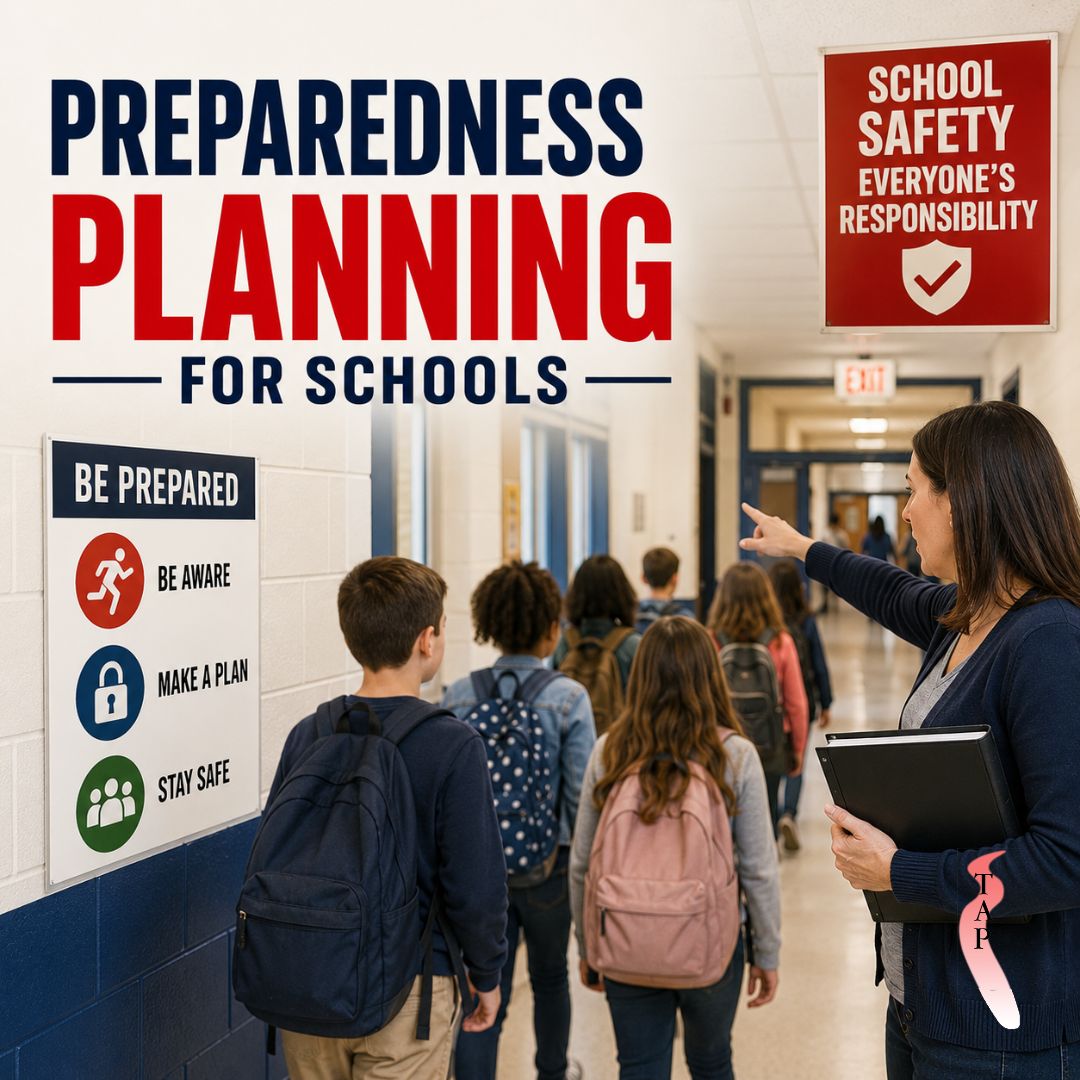
Schools have a responsibility to prepare for a wide range of emergencies, including situations involving violence. While no school can predict when a dangerous incident may occur, thoughtful preparedness planning can help employees understand their responsibilities and respond more effectively when seconds matter.
A strong emergency plan goes beyond having policies stored in a handbook. Faculty, administrators, and staff need to understand how to recognize warning signs, communicate during an emergency, and follow established procedures.
For education organizations across the United States, active shooter awareness training can be an important part of a broader workplace violence preparedness strategy.
Why Violence Preparedness Matters in Schools
Schools bring together students, teachers, administrators, support staff, visitors, and other members of the community. This creates a complex environment where employees may need to respond quickly during an emergency.
Preparedness planning can help schools:
- Establish clear emergency procedures
- Improve communication among staff
- Help employees recognize potential warning signs
- Reduce confusion during an emergency
- Support coordinated responses
- Protect students, employees, and visitors
- Create a stronger culture of safety
Preparedness does not mean expecting violence to happen. It means making sure employees are not left without guidance if a serious situation occurs.
Emergency Planning Should Be Practical and Clear
An emergency plan is most useful when employees understand what it means and how it applies to their workplace.
Schools should regularly review procedures covering:
- Emergency communication
- Evacuation procedures
- Shelter or lockdown procedures
- Notification of emergency services
- Staff responsibilities
- Student accountability
- Visitor management
- Post-incident communication
Employees should know where to find emergency information and understand how their responsibilities may differ depending on their role.
Recognizing Warning Signs Can Support Early Intervention
Awareness is an important component of violence prevention. Employees may encounter behavioral changes, threats, concerning communications, or other warning signs before an incident occurs.
Potential concerns may include:
- Threatening statements
- Escalating aggressive behavior
- Expressions of intent to harm others
- Concerning communications
- Severe behavioral changes
- Attempts to intimidate or threaten others
Employees should understand how and where to report concerns according to their organization's established procedures.
Recognizing a concern does not mean employees should investigate it themselves. Instead, they should follow the school's reporting and escalation process.
Employees Need to Know Their Roles During an Emergency
During a violent emergency, uncertainty can make an already dangerous situation more difficult to manage.
Schools can reduce confusion by clearly communicating responsibilities before an incident occurs.
Employees should understand:
- How to receive emergency notifications.
- What actions are expected during different emergency scenarios.
- How to communicate with administrators and emergency personnel.
- How to account for students when appropriate.
- Where to find emergency resources and procedures.
- What to do after the immediate threat has ended.
Training and regular drills can help employees become more familiar with these responsibilities.
Communication Is a Critical Part of Preparedness
Emergency communication needs to be timely, clear, and consistent.
Schools should establish procedures for communicating with:
- Teachers and staff
- Students
- Administrators
- Emergency responders
- Parents and guardians
- Other relevant stakeholders
Employees should also understand that emergency information should come through designated communication channels whenever possible. Clear communication can help reduce confusion and prevent the spread of inaccurate information during a stressful situation.
Preparedness Training Helps Employees Respond With Greater Confidence
Written policies alone may not provide employees with enough preparation to respond effectively during a violent incident.
Training can help employees understand:
- How active violence situations can develop
- Warning signs that may require attention
- Appropriate emergency response principles
- The importance of following established procedures
- How to remain focused during a high-stress event
- How to support a safer workplace environment
Active Shooter Awareness | TAP Series® provides training designed to help employees understand active shooter risks and prepare for an appropriate response.
Training Should Extend Beyond Teachers
Violence preparedness is a shared responsibility across the school environment.
Training should be considered for employees such as:
- Teachers
- School administrators
- Office staff
- Counselors
- Maintenance employees
- Transportation personnel
- Cafeteria employees
- Security personnel
- Other support staff
Every employee may have a different role during an emergency, but everyone benefits from understanding the school's overall preparedness procedures.
Regular Reviews Keep Emergency Plans Relevant
An emergency plan should not be written once and forgotten.
Schools should periodically review their procedures to determine whether changes are needed based on:
- Building renovations
- Changes in staffing
- Updated communication systems
- New security procedures
- Lessons learned from drills
- Changes in emergency response guidance
Regular reviews also provide an opportunity to identify gaps before an actual emergency occurs.
Preparedness Should Include Post-Incident Support
Planning should not stop once the immediate danger has passed. A serious violent incident can have lasting effects on students, employees, families, and the wider school community.
Schools should consider procedures for:
- Coordinating with emergency responders
- Communicating verified information
- Supporting affected employees
- Providing appropriate resources to students
- Documenting the incident
- Reviewing the response afterward
- Identifying improvements for future preparedness
A post-incident review can help organizations learn from what happened and strengthen future emergency planning.
Building a Culture of Preparedness
Effective violence preparedness is built through planning, communication, training, and regular review. Employees should not have to figure out what to do for the first time during an emergency.
By incorporating Active Shooter Awareness | TAP Series® into a broader workplace safety program, education organizations can help employees recognize potential risks, understand emergency response principles, and become more familiar with their responsibilities.
Preparedness cannot eliminate every risk, but school violence preparedness training can help organizations create a more informed and coordinated approach to protecting students, employees, and visitors.