Employee Harassment Prevention
CCMI Fellowship Square Settlement Highlights Employer Duties to Address Resident Harassment
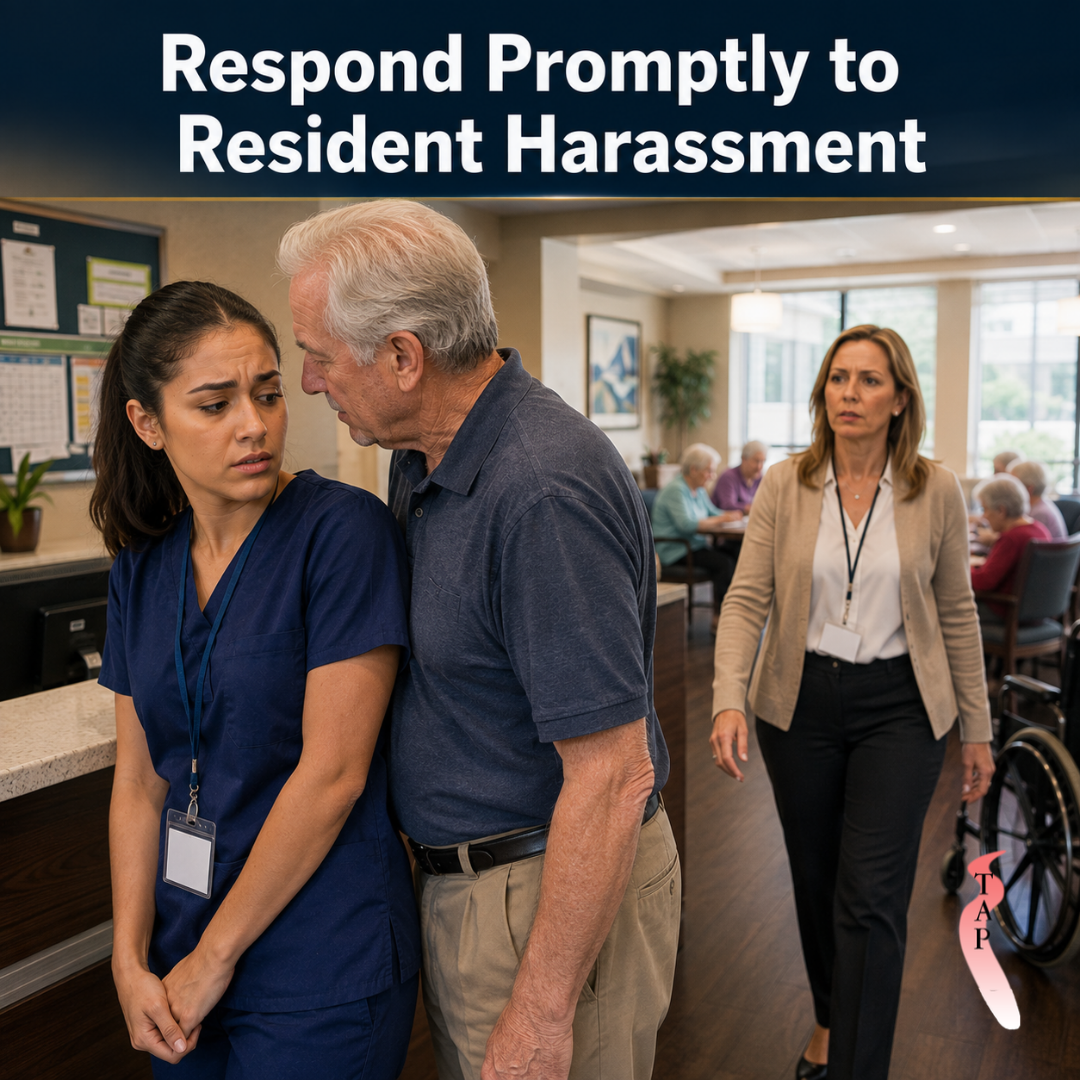
Sexual harassment in senior living environments can present unique challenges because inappropriate conduct may come from residents rather than coworkers or supervisors. A recent U.S. Equal Employment Opportunity Commission (EEOC) settlement involving Christian Care Management, Inc. (CCMI), which operates Fellowship Square communities in Arizona, highlights why employers need clear procedures for responding to harassment by residents and protecting employees who report it.
According to the EEOC, CCMI agreed to pay $250,000 and provide additional relief to resolve a federal sexual harassment lawsuit involving allegations that multiple female employees at its Mesa, Arizona, location experienced harassment from male residents. The settlement was announced in August 2026.
Background of the Case
CCMI is a senior living facility management company that operates six Fellowship Square locations throughout Arizona.
The EEOC filed EEOC v. Christian Care Management, Inc., d/b/a Christian Care Companies/Fellowship Square, Case No. 2:24-cv-02620-GMS, after first attempting to resolve the matter through its administrative conciliation process.
The lawsuit concerned allegations that female employees at the company's Mesa location were repeatedly subjected to sexual harassment by male residents. The EEOC's original filing identified the case as one involving alleged harassment by a resident that continued despite complaints from employees.
The case is particularly relevant to senior living employers because it demonstrates that workplace harassment concerns can involve third parties, including residents and clients, rather than only employees.
Details of the Incident
According to the EEOC's lawsuit, multiple female employees reported sexual harassment by male residents at the Fellowship Square location.
The alleged conduct included:
- Requests for sexual favors.
- Inappropriate sexual language directed toward female employees.
- Residents sitting in their underwear while housekeeping employees cleaned their rooms.
- Unwelcome physical contact.
- An alleged incident in which a resident grabbed an employee's breast and private parts while exposing himself.
The EEOC alleges that female employees reported the conduct to Mesa management. However, management allegedly failed to follow its own sexual harassment procedures by not notifying human resources and by failing to take adequate steps to stop the alleged misconduct.
According to the lawsuit, management was repeatedly informed about one resident's inappropriate conduct toward female employees but subsequently assigned a female employee to drive the resident to an appointment alone.
The EEOC alleges that the resident sexually assaulted the employee during the drive. The lawsuit further claims that CCMI denied the employee's request to take the day off after the incident, waited four days before initiating a psychological evaluation of the resident, and waited another 13 days before beginning the process of removing the resident.
These allegations were brought by the EEOC and should not be presented as findings that every alleged act was proven in court. The matter was ultimately resolved through a consent decree.
Legal Background
Title VII of the Civil Rights Act of 1964 prohibits workplace discrimination based on sex, including sexual harassment.
Importantly for senior living and healthcare employers, harassment does not necessarily have to come from another employee to create compliance concerns. The EEOC has specifically stated that federal law can apply when harassment is committed by non-employees such as customers or residents and the employer knows about the conduct but fails to take appropriate action.
This makes it important for senior living organizations to have policies that address third-party harassment rather than limiting anti-harassment procedures to employee-to-employee misconduct.
Settlement Status and Relief Sought
The lawsuit has been resolved through a settlement requiring CCMI to provide $250,000 to the victims of the alleged sexual harassment and implement additional workplace compliance measures.
Under the consent decree, CCMI will:
- Review and revise its anti-discrimination policies.
- Strengthen its policies addressing sexual harassment by residents.
- Include an anti-sexual harassment policy in its resident handbook.
The settlement reflects the importance of having both employee-facing and resident-facing expectations regarding appropriate workplace conduct.
Key Takeaways from the Case
The CCMI case provides several important compliance lessons for senior living and healthcare employers.
- Third-party harassment requires a response. Employers should have procedures for addressing inappropriate conduct by residents, patients, visitors, and other non-employees.
- Follow established reporting procedures. If employees report harassment, managers should know when and how to involve human resources.
- Do not wait for misconduct to escalate. Repeated reports should prompt appropriate action rather than being treated as isolated incidents.
- Consider employee safety when assigning duties. Management should evaluate known risks before placing an employee alone with a resident who has allegedly engaged in inappropriate conduct.
- Train frontline managers. Supervisors need practical guidance on receiving complaints and escalating them appropriately.
- Include residents in workplace expectations. Resident handbooks and admission materials can communicate behavioral standards and applicable facility policies.
- Document complaints and responses. Accurate documentation can help organizations demonstrate that concerns were received and addressed appropriately.
Broader Implications for Employers
Senior living facilities face a distinct workplace compliance challenge because employees regularly interact with residents who may not be employees of the organization.
That does not mean employers can simply dismiss inappropriate behavior because the person responsible is a resident. The EEOC's 2024 lawsuit announcement involving CCMI emphasized that harassment can be unlawful regardless of whether the alleged harasser is an owner, coworker, customer, or resident.
Senior living organizations can strengthen their programs by:
- Establishing clear procedures for reporting resident harassment.
- Training managers on when complaints must be escalated to HR.
- Documenting reports and management responses.
- Evaluating employee assignments when there are known harassment concerns.
- Providing appropriate measures to reduce unnecessary employee exposure to reported misconduct.
- Including behavioral expectations in resident handbooks.
- Regularly reviewing anti-harassment policies to address third-party conduct.
A strong policy should not simply tell employees that harassment is prohibited. It should also explain what employees can do when a resident, visitor, or other third party engages in inappropriate conduct.
The Importance of Sexual Harassment Training
Sexual harassment training can help senior living employees and managers understand how to recognize inappropriate conduct and what steps to take when a complaint is received.
Sexual Harassment Training | TAP Series®
Training can reinforce:
- Employee awareness: Staff can learn to recognize inappropriate sexual conduct and understand their workplace rights and responsibilities.
- Reporting procedures: Employees can learn where and how to report concerns involving coworkers, residents, visitors, or other individuals.
- Supervisor responsibilities: Managers can understand when a complaint requires escalation and what actions should be considered.
- Workplace respect: Training can reinforce professional boundaries and respectful interactions in care environments.
- Prevention strategies: Organizations can incorporate training into broader procedures for preventing and responding to harassment.
For senior living employers, training should also address scenarios involving residents and other third parties. Employees should understand that reporting inappropriate conduct is an important part of maintaining a safe and respectful workplace, while managers should know how to respond appropriately when concerns are raised.
Conclusion
The $250,000 CCMI Fellowship Square settlement highlights an important workplace compliance lesson for senior living organizations: harassment prevention policies should account for conduct involving residents and other third parties, not just employees.
According to the EEOC's allegations, management received multiple complaints concerning resident harassment but failed to take adequate action, allowing the alleged conduct to continue and escalate. The settlement subsequently required CCMI to revise its anti-harassment policies and establish resident-facing protections.
For senior living employers, workplace harassment prevention requires clear reporting channels, trained managers, appropriate escalation procedures, and policies that address the unique circumstances of resident care environments. Taking complaints seriously and responding appropriately can help organizations build a workplace where employees understand that their concerns will be addressed.