Choosing A Home Location
How Noise Levels Can Affect Your Home Buying Decision
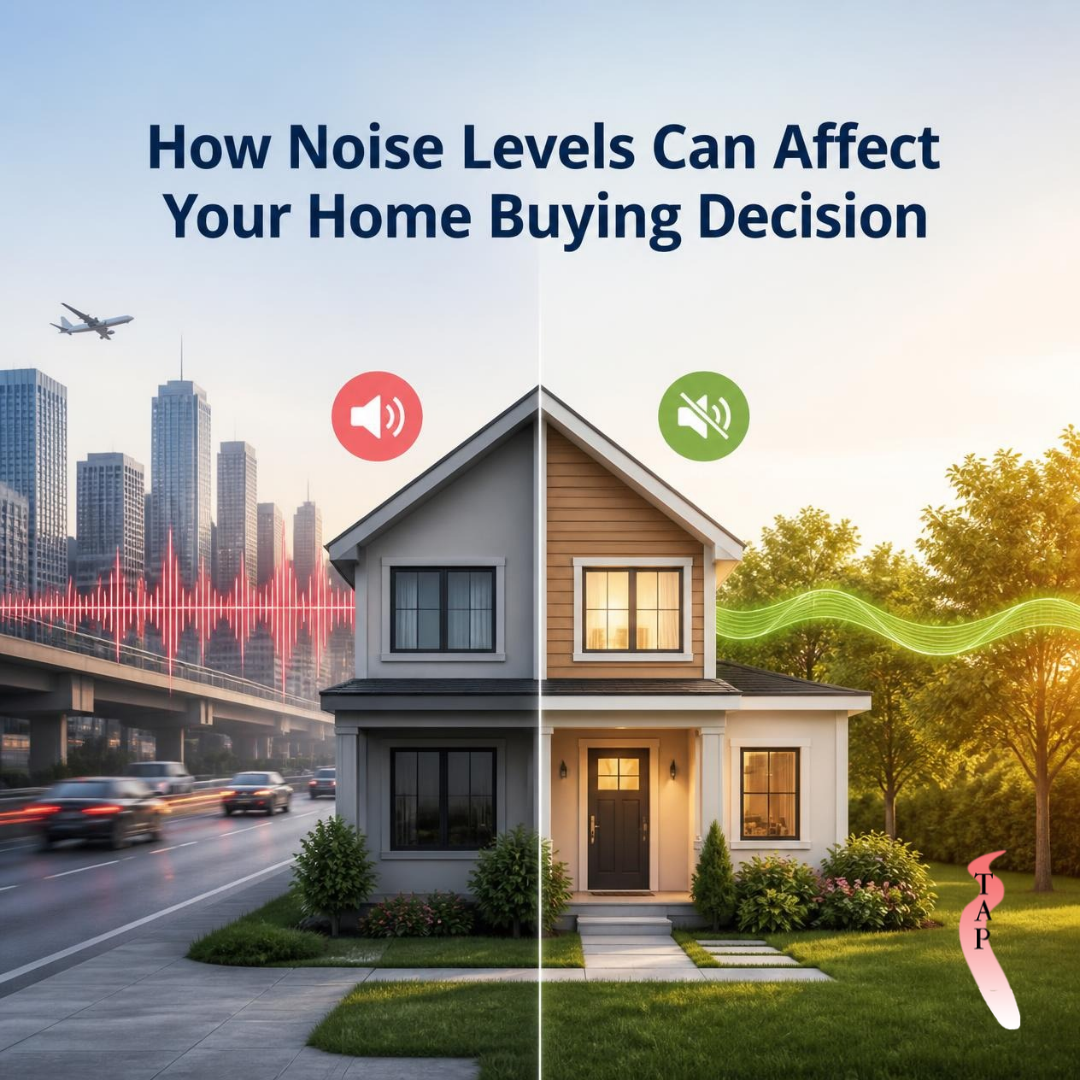
When buying a home, buyers often focus on the property's size, condition, location, and price. Noise levels can be just as relevant, particularly because the sound environment around a property can influence comfort, privacy, sleep, and how enjoyable the home is to live in.
A quiet property during a daytime viewing may not remain quiet throughout the day or week. Traffic patterns, nearby businesses, construction activity, neighbors, nightlife, and aircraft can all affect the sound level around a home. Understanding these factors before purchasing can help buyers form a more realistic picture of the property and its surroundings.
Consider Traffic Noise
Roads and highways can be significant sources of recurring noise. A home located near a busy road may experience engine sounds, horns, braking, and other traffic-related noise, particularly during peak travel periods.
Distance from the road can make a difference, but the layout of the property matters too. Bedrooms facing a busy street may experience more noticeable noise than rooms located toward the rear of the home.
When viewing a property, consider both the current traffic conditions and how they change throughout the day. A relatively quiet midmorning visit may not reflect the noise level during the morning or evening commute.
Check for Nearby Airports and Flight Paths
Properties located near airports or under established flight paths may experience aircraft noise. The frequency and timing of flights can vary, so buyers should consider whether occasional or recurring overhead noise would fit their preferences.
Even if an airport is not immediately visible from the property, aircraft may still pass overhead. Checking local flight patterns or visiting the area at different times can provide additional context.
Look at Nearby Businesses
Restaurants, bars, entertainment venues, delivery areas, workshops, and other businesses can affect local noise levels. The impact may depend heavily on operating hours.
A commercial property that is quiet during a daytime inspection could become considerably busier in the evening. Loading areas, outdoor seating, customer traffic, and waste collection can also contribute to noise.
When assessing a home, consider what nearby businesses do and when their busiest periods are likely to occur.
Pay Attention to Neighbors
Noise from neighboring properties can sometimes be difficult to assess during a short viewing. Dogs, parties, outdoor activities, home workshops, and household equipment can all contribute to the surrounding sound environment.
This does not mean that nearby residents will necessarily create a problem. Instead, buyers should recognize that a property's immediate environment extends beyond the walls of the home itself.
If possible, listen carefully during a viewing and consider whether homes are closely positioned or separated by larger yards and other buffers.
Consider Construction Activity
Construction can temporarily or periodically increase noise in an area. Nearby development may involve machinery, deliveries, demolition, road work, or building activity.
Some construction is temporary, while larger development projects can continue for extended periods. Buyers researching a property may want to investigate planned developments, infrastructure projects, or significant construction nearby.
Understanding what is happening around the property can help distinguish between short-term disruption and potentially longer-term changes to the neighborhood.
Think About Nightlife and Weekend Noise
Noise levels can change significantly after dark. Restaurants, bars, clubs, sporting venues, event spaces, and entertainment districts may become much busier during evenings and weekends.
This is especially important if the property is located in an area that appears quiet during normal business hours. A weekday afternoon viewing may provide little insight into what the neighborhood sounds like late on a Friday or Saturday night.
For buyers who value quiet evenings, this is an important part of evaluating a location.
Visit at Different Times
One of the simplest ways to assess noise is to visit the area more than once. Try to experience the neighborhood during different times of day and, when practical, on different days of the week.
A useful comparison might include:
- Morning commute hours
- Afternoon
- Evening
- Late night
- Weekend periods
You do not necessarily need to spend hours at the property each time. Even a short visit can reveal differences in traffic, nearby activity, and general sound levels.
Consider the Home's Layout
Noise exposure can also depend on the home's design. Bedrooms, living areas, patios, and home offices may face different directions.
Windows, walls, landscaping, fencing, and the distance between the property and nearby noise sources may influence how much sound reaches particular areas.
During a viewing, consider where you would spend the most time and whether those spaces are exposed to noticeable noise.
Think About Your Personal Priorities
Noise tolerance varies from one household to another. Some buyers may enjoy living near restaurants, entertainment, or busy streets, while others may place a higher priority on a peaceful environment.
Think about how noise could affect your normal routine. If you work from home, sleep during the day, have young children, or simply prefer quieter surroundings, the sound environment may deserve more attention during your property search.
Final Thoughts
Noise levels when buying a home are worth considering because the sound environment can affect everyday comfort and the way you use the property. Traffic, airports, businesses, neighbors, construction, and nightlife can all contribute to noise at different times.
A single property viewing may not reveal the full picture. Visiting at different times, listening carefully, researching nearby activity, and considering the home's layout can provide useful insight before making a major purchasing decision.
The goal is not necessarily to find the quietest property available. Instead, understanding the area's typical noise patterns can help you determine whether the home fits your preferences, lifestyle, and expectations.