Choosing The Right Home Location
How Natural Light Can Affect Your Choice of Home
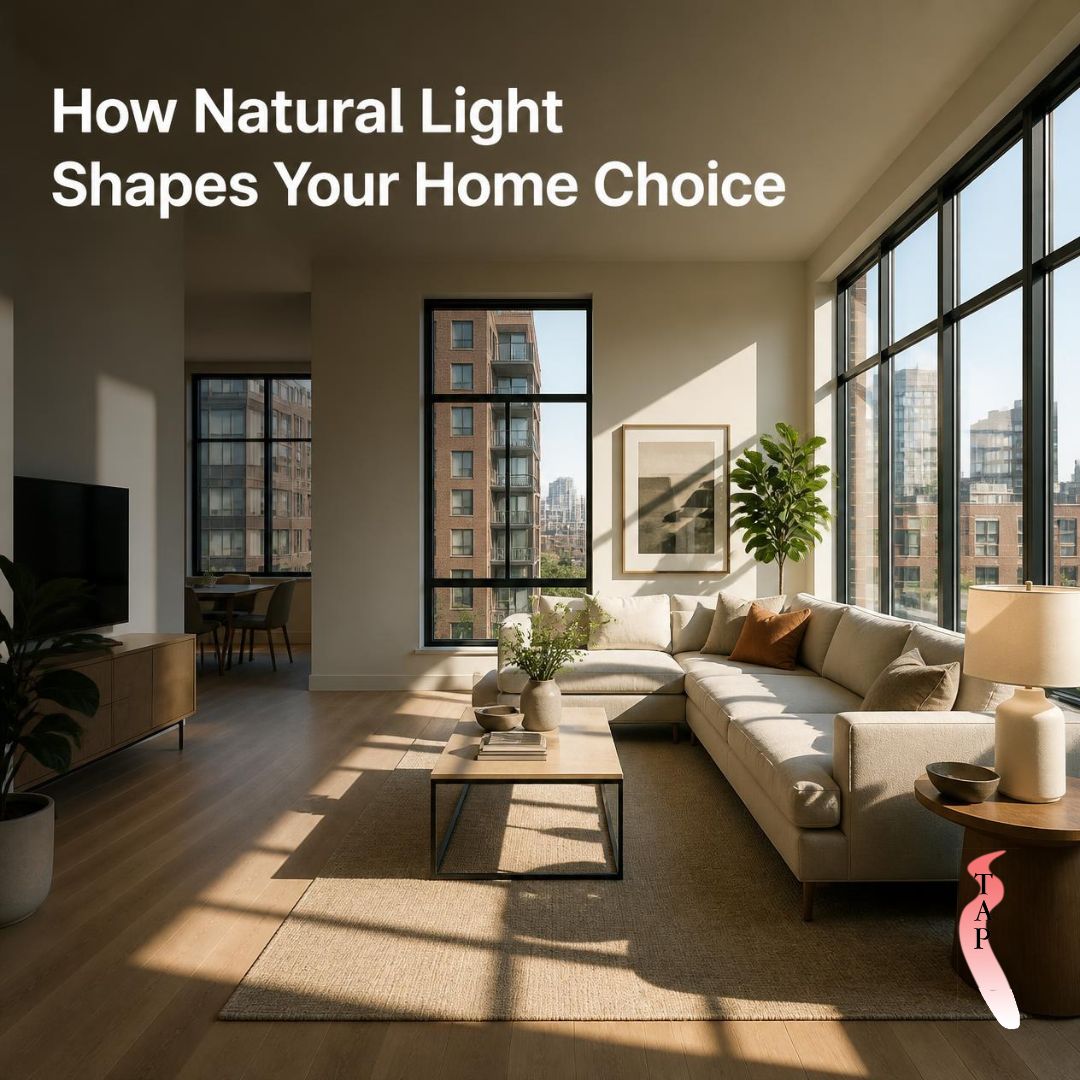
When choosing a home, buyers often consider the floor plan, number of rooms, location, and overall condition. Natural light is another factor that can influence how comfortable and practical a property feels throughout the day.
The amount of daylight entering a home depends on factors such as window placement, room orientation, surrounding buildings, trees, and the direction the property faces. A home that feels bright during one viewing may look very different at another time of day.
Understanding how natural light moves through a property can help buyers evaluate whether the home suits their preferences and daily routine.
Consider Window Placement
Windows are one of the most obvious factors affecting natural light. Larger windows can allow more daylight into a room, while smaller or limited windows may create a darker interior.
However, window size is not the only consideration. The location of each window can determine which parts of a room receive the most light.
Pay attention to which rooms have windows, where those windows face, and whether nearby structures or landscaping block them. A room with several well-positioned windows may feel considerably different from one with a single window, even if both have similar floor areas.
Think About Room Orientation
The direction a home or individual room faces can influence when it receives natural light. Depending on the property's location and climate, some rooms may receive more direct sunlight in the morning, while others may receive stronger light later in the day.
Consider how you plan to use each room. A home office may benefit from comfortable daylight during working hours, while a bedroom may have different lighting preferences.
Rather than assuming that more sunlight is always better, consider what type of light works best for your routine.
Observe Shadows and Obstructions
Trees, neighboring homes, fences, walls, and other structures can cast shadows across a property. These shadows may change throughout the day as the sun moves.
During a viewing, look beyond the immediate windows. Check whether another building is close to the property and whether mature trees could block sunlight.
It is also worth considering seasonal changes. Trees that provide shade during warmer months may allow more light through when they lose their leaves, depending on the type of vegetation.
Pay Attention to Surrounding Buildings
Nearby buildings can have a significant effect on natural light, particularly in densely developed areas. A home may have large windows, but those windows may face another structure that limits the amount of daylight entering the room.
Look outside each major living area and consider what is directly beyond the window. Future development in the surrounding area may also change the amount of available light.
Understanding the current surroundings can give you a better idea of how the home receives daylight.
Visit at Different Times of Day
One of the most useful ways to evaluate natural light is to visit the property at different times. A morning viewing can provide a different impression from an afternoon or evening visit.
If possible, pay attention to:
- Which rooms receive direct sunlight
- Which rooms remain shaded
- How quickly darker areas brighten or dim
- Whether surrounding buildings block sunlight
- How natural light changes between morning and afternoon
You do not need to measure sunlight precisely. Simply observing how the property changes throughout the day can provide useful information.
Consider How Light Affects Comfort
Natural light can influence how a room feels. Bright spaces may appear more open and inviting, while darker rooms can feel more enclosed.
However, excessive direct sunlight can also create challenges. Strong sunlight may produce glare, make certain rooms warmer, or make screens more difficult to see.
Consider whether the property provides a balance that works for you. Curtains, blinds, shades, landscaping, and other features can help manage light, but they may not completely change the underlying orientation of the home.
Think About Your Daily Routine
Your preferred level of natural light may depend on how you use your home. Someone who works from home may spend much of the day in a home office, while another household may spend more time in the kitchen or living room.
Think about the rooms where you spend the most time and whether their lighting conditions are comfortable.
If you regularly use computer screens, for example, consider whether direct sunlight creates glare. If you enjoy naturally bright spaces, look at whether the main living areas receive sufficient daylight.
Consider the Home's Interior Layout
The placement of interior walls, doors, and open spaces can also influence how daylight moves through the home. An open-plan layout may allow light from windows to reach more areas, while rooms separated by walls may receive less indirect light.
Look at the relationship between windows and the rest of the floor plan. A well-lit room near the exterior may not provide much light to an interior room without windows.
Final Thoughts
Natural light when choosing a home is worth considering because daylight can affect comfort, room appearance, and how you use different spaces throughout the day.
Window placement, room orientation, shadows, trees, and surrounding buildings can all influence the amount and quality of light a property receives. Visiting at different times of day and paying attention to the rooms you use most can help you understand the home's lighting conditions more clearly.
Natural light is ultimately a matter of personal preference. The goal is to determine whether the property's daylight patterns fit your lifestyle and expectations before making a major home buying decision.