Factors To Consider When Buying A Home
What to Consider When Buying a Home Near Busy Roads
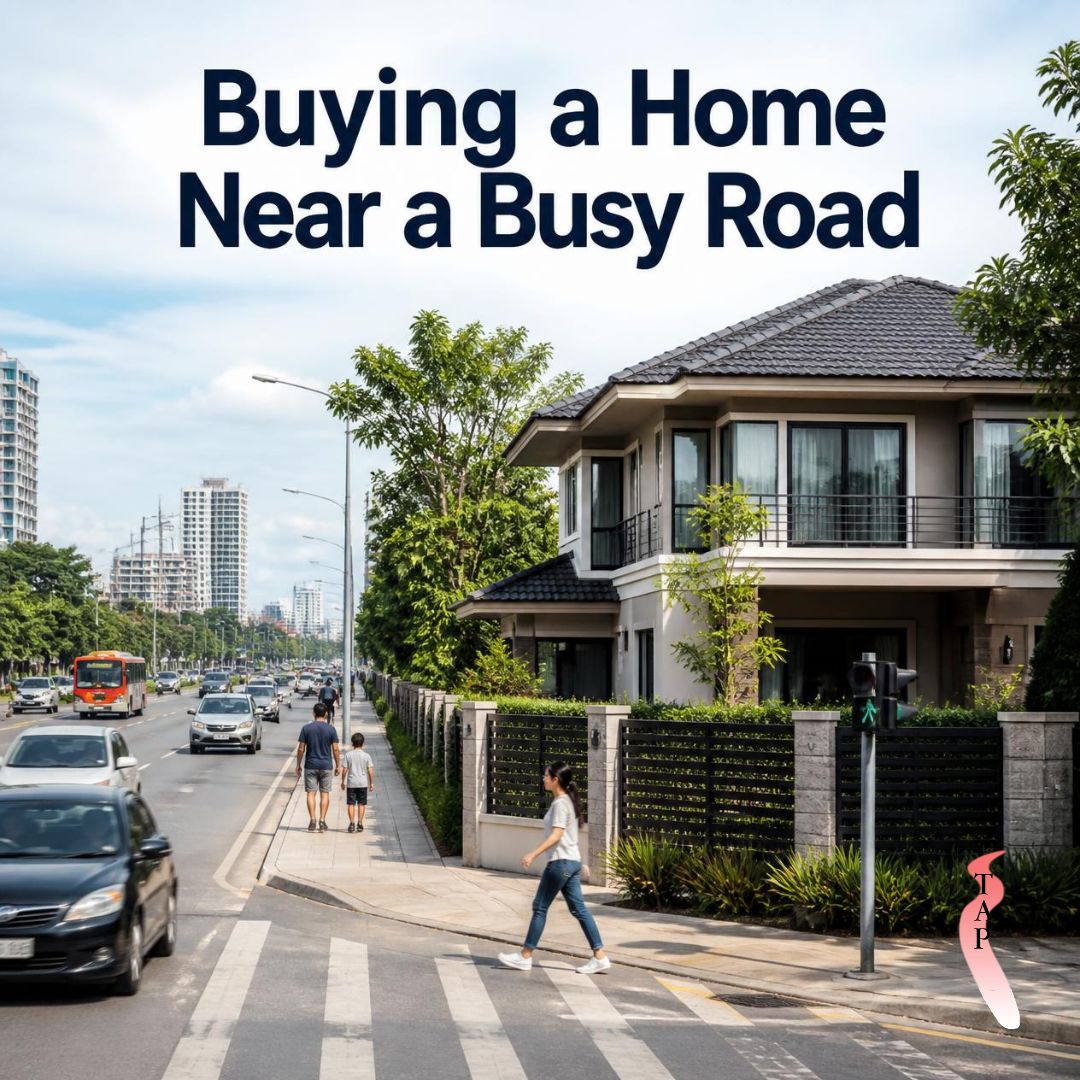
A home near a busy road can offer convenient access to workplaces, shopping areas, schools, public transportation, and major routes. At the same time, living close to significant traffic can introduce considerations that may affect comfort and daily routines.
For buyers, the key is to understand how the road affects the specific property rather than assuming that proximity to traffic is either positive or negative. Noise, accessibility, pedestrian conditions, air quality, privacy, and convenience can all vary depending on the road, surrounding development, and home's position.
Consider Traffic Noise
Traffic noise is one of the most noticeable factors when living near a busy road. Engine sounds, horns, motorcycles, trucks, braking, and other vehicle activity can contribute to background noise throughout the day.
Noise levels may also change depending on traffic patterns. A road that seems relatively quiet during a midday viewing could be considerably louder during morning and evening commute periods.
When viewing the property, listen carefully with the windows both open and closed. Consider whether bedrooms, living areas, patios, and other frequently used spaces face the road.
Look at Accessibility
One potential advantage of a home near a major road is easier access to important destinations. Major routes can make it more convenient to reach work, schools, shopping centers, healthcare facilities, or other regular destinations.
However, convenience depends on actual travel conditions. A nearby road may experience significant congestion, making short distances take longer during busy periods.
Consider the routes you would use most often and whether the property's location makes your regular trips easier or more complicated.
Think About Pedestrian Safety
If household members walk, cycle, or use public transportation, the road environment deserves particular attention.
Look for sidewalks, pedestrian crossings, traffic signals, lighting, bike infrastructure, and safe routes to nearby destinations. Consider how easy it would be to cross the road and whether walking conditions change after dark or during periods of heavy traffic.
A property may be close to shops or transit stops, but the practical accessibility of those destinations depends partly on the surrounding pedestrian infrastructure.
Consider Air Quality
Homes near busy roads may be exposed to vehicle-related air pollutants. The amount of exposure can vary depending on traffic volume, weather conditions, road design, distance from the roadway, and other environmental factors.
Buyers who are particularly concerned about air quality may want to research available local environmental information and consider how the property's windows, outdoor spaces, and ventilation are positioned relative to the road.
This is another area where the specific characteristics of the property matter more than simply knowing that it is near a road.
Think About Privacy
Busy roads can affect privacy as well as noise. Properties close to heavily traveled streets may experience more visibility from passing drivers, pedestrians, and nearby activity.
Look at the positioning of windows, fences, landscaping, and outdoor living areas. Consider whether people traveling along the road can easily see into the home or yard.
Landscaping and privacy features may help, but buyers should evaluate the existing conditions rather than assuming they can easily be changed.
Evaluate Convenience
Living near a busy road can provide convenient access to transportation and nearby services. For households that travel frequently, being close to major routes may reduce the distance to common destinations.
However, convenience should be evaluated alongside the potential drawbacks. A location that provides quick access to one destination may be less convenient for another if traffic congestion, difficult intersections, or limited alternative routes are involved.
Think about your typical weekly routine and identify which destinations matter most.
Visit During Different Times
A single property viewing may not reveal what the road is like throughout the day.
If possible, visit the property during different periods, such as:
- Morning commute hours
- Afternoon
- Evening
- Weekend periods
- After dark
Pay attention to traffic volume, noise, pedestrian activity, parking, lighting, and how easily you can enter or leave the property.
These observations can provide a more realistic understanding of the location.
Consider the Property's Position
Not every home near a busy road has the same level of exposure. A property directly facing the road may have different conditions from one located farther inside a development.
The home's orientation, distance from the roadway, landscaping, fencing, elevation, and window placement can all influence the experience.
When viewing the property, consider the areas where you expect to spend the most time and how directly they are affected by the road.
Avoid Assuming the Impact on Property Value
Proximity to a busy road can affect different buyers in different ways, so it is not appropriate to assume that a home near traffic will automatically have a higher or lower value.
Some buyers may prioritize convenient transportation access, while others may place greater importance on quiet surroundings and privacy.
Rather than relying on general assumptions, focus on the property's actual characteristics, local conditions, and whether they align with your needs.
Final Thoughts
Buying a home near a busy road requires more than simply checking the distance between the property and the roadway. Traffic noise, accessibility, pedestrian safety, air quality considerations, privacy, and convenience can all influence the experience of living there.
Visiting at different times, observing traffic conditions, examining pedestrian infrastructure, and paying attention to the home's position can help you understand the location more clearly.
The right choice ultimately depends on your household's priorities and tolerance for the conditions associated with a busy road. Evaluating those factors carefully can help you make a more informed home buying decision.