Religious Accommodation
Buffalo Wild Wings Sued for Religious Discrimination by EEOC
Background
Buffalo Wild Wings, operated by BWW Resources, LLC, is facing a federal lawsuit filed by the U.S. Equal Employment Opportunity Commission (EEOC) for alleged religious discrimination. The lawsuit centers around an incident involving a job candidate who applied for a server position at the Douglasville, Georgia, location. The candidate, who adheres to a religion that requires her to wear long skirts in public, was reportedly discriminated against during the hiring process.
The Incident
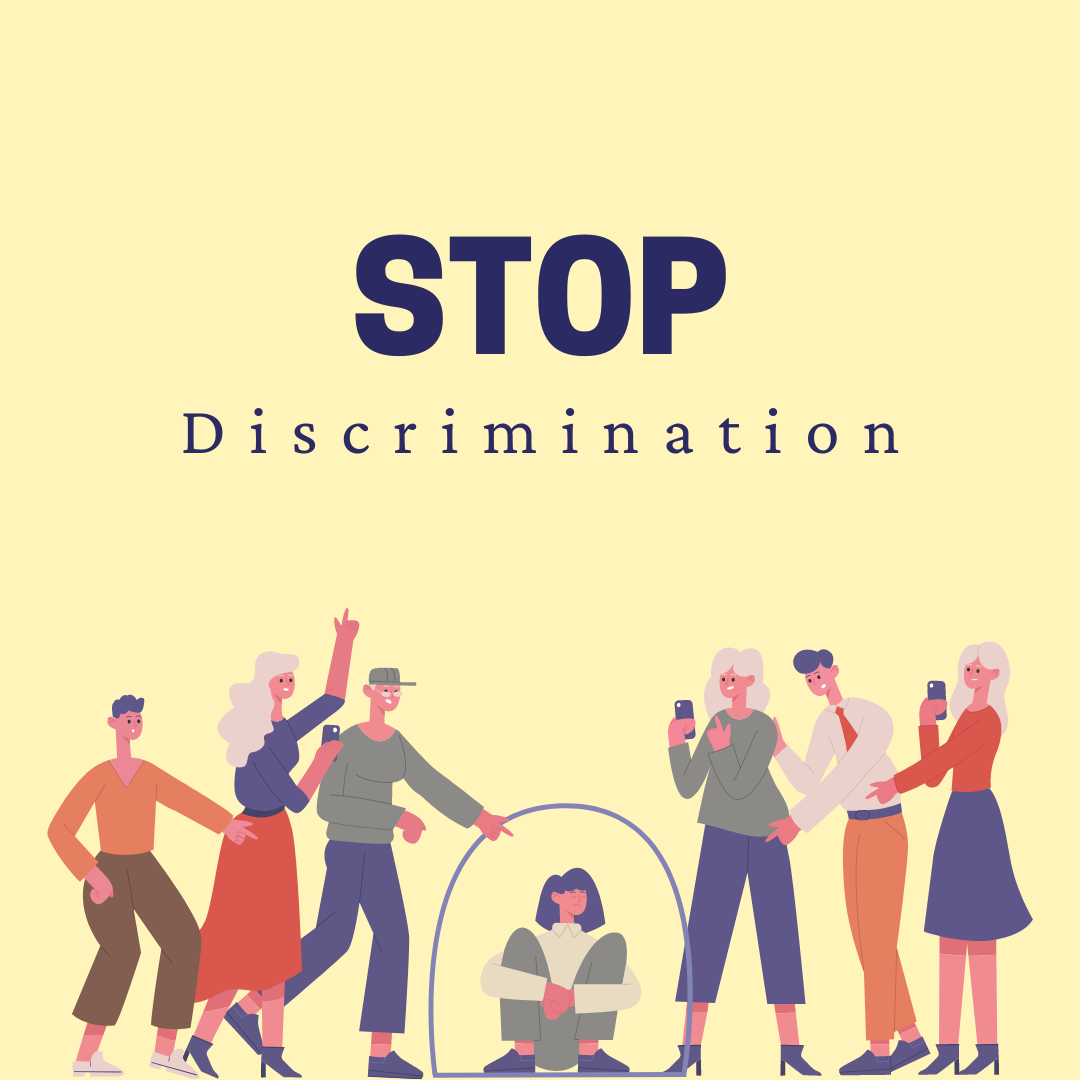
The issue began when the candidate, at a social gathering, was informed by the general manager of the Douglasville location that the restaurant was hiring. However, the manager also mocked the candidate's religious practices by making inappropriate gestures and comments, questioning whether she was Pentecostal.
After the candidate submitted her application, she was not contacted for an interview despite the restaurant actively hiring for server positions. When the candidate's daughter, who worked at the same restaurant, followed up with an assistant manager, she was told that her mother would not be hired because wearing long skirts was deemed unusual for a server in a sports bar setting. This decision was confirmed by the general manager, even though the restaurant hired five other servers within the following two months.
Legal Action
The EEOC has filed a lawsuit against Buffalo Wild Wings, alleging that the restaurant's actions violated Title VII of the Civil Rights Act of 1964, prohibiting discrimination based on religion. The lawsuit was filed in the U.S. District Court for the Northern District of Georgia, Atlanta Division (Case No. 1:24-CV-03581 AT CCB). The EEOC is seeking back pay, compensatory and punitive damages for the affected candidate, as well as injunctive relief to prevent future instances of religious discrimination.
Key Takeaways
- Religious Discrimination: The case highlights the importance of respecting employees' and applicants' religious practices. Employers are required by law to accommodate religious practices unless doing so would cause undue hardship.
- Hiring Practices: The lawsuit underscores the need for fair and non-discriminatory hiring practices. Employers must ensure that all candidates are evaluated based on their qualifications and not on stereotypes or biases related to their religion.
- Legal Compliance: Businesses must comply with federal laws that protect employees and applicants from discrimination based on religion. Failure to do so can result in significant legal and financial consequences.
Conclusion
This case reminds us that religious discrimination in the workplace is a serious violation of federal law. Employers must ensure that their hiring practices are free from bias and that they accommodate the spiritual practices of their employees and applicants whenever possible. The EEOC's lawsuit against Buffalo Wild Wings emphasizes the agency's commitment to enforcing these protections and ensuring all individuals have equal employment opportunities, regardless of their religious beliefs.