Employee Safety
Ride-Hailing Company Sued for Disability Discrimination
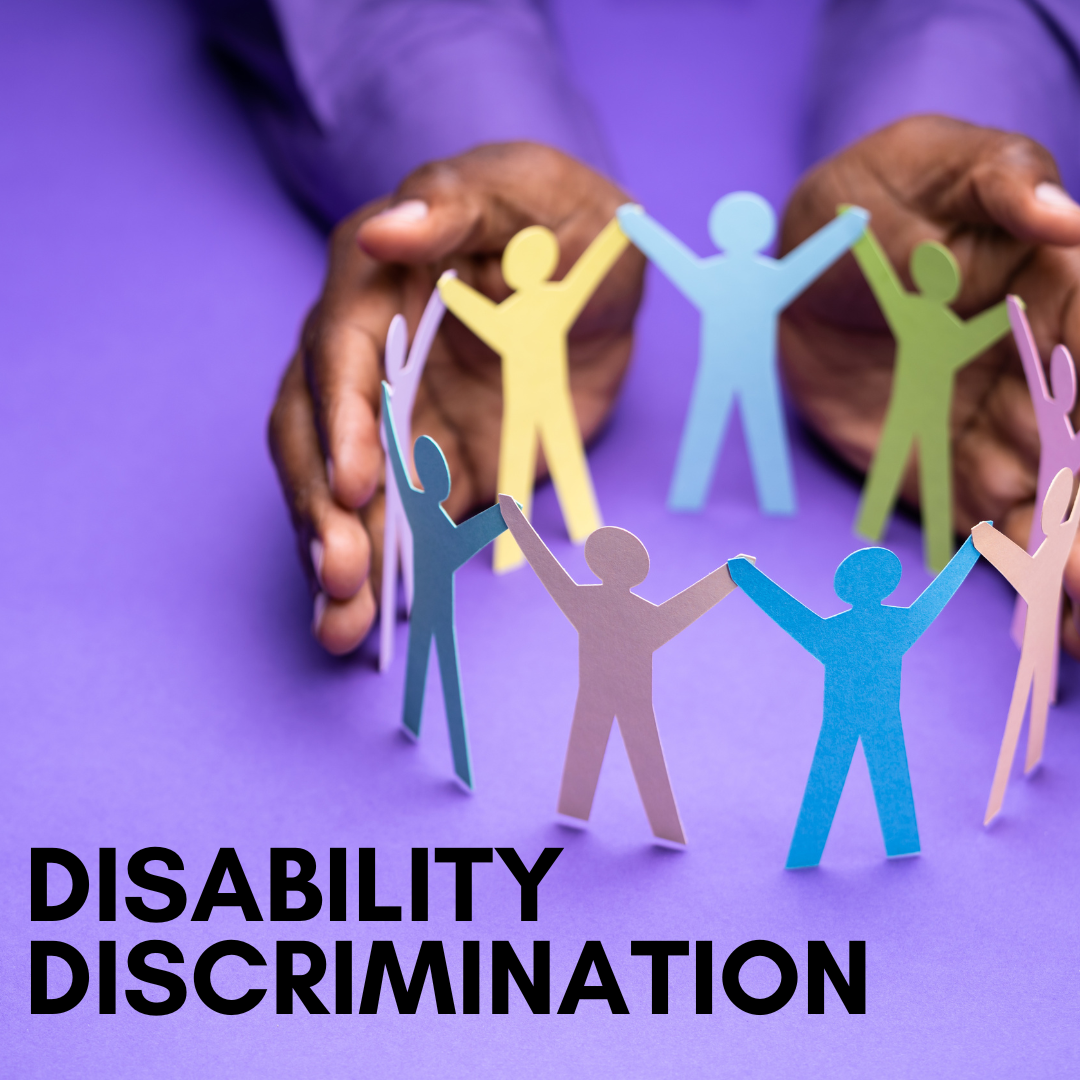
The U.S. Equal Employment Opportunity Commission (EEOC) has filed a lawsuit against Alto Experience, Inc., alleging the company violated the Americans with Disabilities Act (ADA) by denying reasonable accommodations and employment to deaf and hard-of-hearing applicants.
Background
Alto Experience, Inc., a ride-hailing service operating in Texas, Florida, and California, and previously in the District of Columbia and Virginia, is accused of discriminatory hiring practices. According to the EEOC, the company failed to provide communication accommodations, such as American Sign Language (ASL) interpreters, during the hiring process. Additionally, it allegedly denied deaf and hard-of-hearing individuals the opportunity to work as personal drivers, despite the availability of technological accommodations and their previous experience in similar roles.
The EEOC further claims some of these applicants were steered into less desirable roles, such as car washing, instead of being considered for driver positions.
Settlement and Relief Sought
The EEOC filed the lawsuit (Case No. 1:24-cv-2208) in the U.S. District Court for the Eastern District of Virginia after attempts at voluntary conciliation failed. The federal agency is seeking the following remedies:
- Back Pay: Compensation for lost wages.
- Damages: Compensatory and punitive damages to address harm caused.
- Equitable Relief: Policy changes and accommodations to prevent future instances of discrimination.
Key Takeaways for Employers
- ADA Compliance Is Essential: The ADA mandates equal employment opportunities and reasonable accommodations for qualified individuals with disabilities.
- Invest in Technology: Tools such as ASL interpreters or communication apps can facilitate inclusion and compliance.
- Avoid Stereotyping: Assumptions about an individual's capabilities based on their disability are not only harmful but also unlawful.
- Fair Job Allocation: Steering individuals into roles based on disabilities instead of qualifications violates federal law.
Recommendations for Organisations
To foster inclusivity and avoid legal risks, companies should:
- Provide communication accommodations, such as ASL interpreters, during hiring and onboarding.
- Regularly train staff on ADA compliance and the importance of equitable hiring practices.
- Implement policies that ensure fair evaluation of applicants based solely on their qualifications.
Conclusion
The EEOC's lawsuit against Alto Experience, Inc. underscores the importance of ADA compliance and the value of fostering an inclusive workplace. Employers should prioritise accommodations and equity to build a workforce that supports diverse talents while adhering to legal standards.