2025 Employment Law Changes PA
Understanding Pennsylvania’s Latest Employment Law Updates
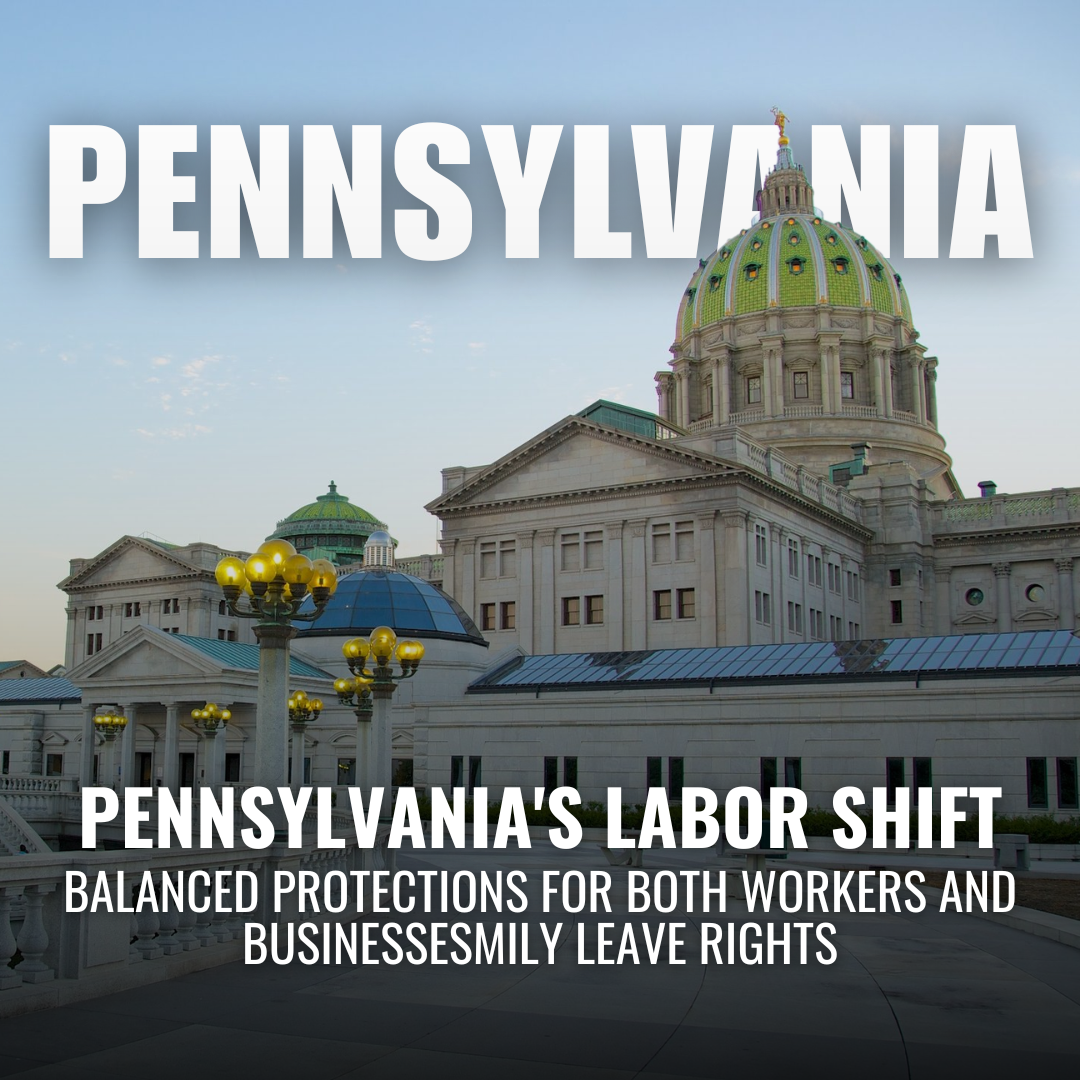
If you're working or running a business in Pennsylvania, 2025 has brought in some important labor law changes that could affect your daily operations or paychecks. From smoother payment options for injured workers to changes in employment contracts for healthcare professionals, these updates are all about improving transparency, fairness, and access to essential rights. In this guide, I’ll walk you through what’s changed, what it means in practice, and what both employees and employers should keep in mind.
Workers’ Compensation Payments Now Available via Direct Deposit
Getting your wage-loss benefits just got more convenient. Thanks to Senate Bill 1232, signed in October 2024 and effective as of December 28, 2024, workers’ compensation claimants now have a choice: get paid by paper check or direct deposit.
Here’s what’s changing:
- Direct deposit must be offered to all workers’ compensation claimants by December 28, 2025.
- Employers and insurers are required to provide this option—no exceptions.
- This applies to all types of compensation: total and partial disability payments, death benefits, and specific loss benefits.
- Paper checks are still an option if the worker prefers that method.
? Benefits:
- Faster access to funds, especially for those without easy access to physical mail.
- Reduces the risk of lost or delayed checks.
⚠️ Challenges for employers and insurers:
- Systems may need to be updated to handle direct deposit processing.
- Communication is key—claimants need to be clearly informed of their options.
New Limits on Noncompete Agreements for Healthcare Practitioners
House Bill 1633, now known as the Fair Contracting for Health Care Practitioners Act, took effect on January 1, 2025, and it marks a major shift for medical professionals in Pennsylvania.
Here’s what the new law does:
- Prevents enforcement of non-compete clauses in most contracts between healthcare practitioners and their employers.
- Limits when non-compete agreements can be used—essentially making them the exception, not the rule.
- Requires the Health Care Cost Containment Council to study how this change affects the healthcare industry long-term.
? Benefits:
- Greater job mobility for healthcare workers.
- Makes it easier for professionals to stay in the same community while changing jobs.
⚠️ Challenges for employers:
- Retaining talent may require better incentives beyond contract restrictions.
- Legal teams may need to revisit current and future employment agreements.
Mandatory Labor Law Posters: Don't Skip the Wall
It might seem simple, but not posting the right labor law notices can get a business into trouble. Pennsylvania law requires all employers to display specific posters where employees can easily see them.
Required posters include:
- “Know Your Rights” (Discrimination) — Details on workplace discrimination protections.
- FMLA (Family and Medical Leave Act) — Explains job-protected leave policies.
- USERRA (Military Leave Rights) — Covers reemployment protections for service members.
- FLSA Minimum Wage and Pay Deductions — Outlines wage standards and deduction rules.
- Plus others covering workers’ compensation, unemployment insurance, and workplace safety.
Important to know:
- Posters must be displayed in a visible location—like a breakroom or near time clocks.
- Failure to comply can lead to fines.
- Free versions are available from the Pennsylvania Department of Labor and Industry.
- Combined posters from vendors can help keep everything in one place.
? Benefits:
- Keeps employees informed about their rights.
- Can help avoid legal issues or misunderstandings down the line.
⚠️ Challenges for employers:
- Must stay current—posters can change with federal or state updates.
- Remote teams may require digital access to these notices.
Final Thoughts: Why These Changes Still Matter in 2025
While these laws may not have grabbed headlines, they shape the way Pennsylvanians work, get paid, and switch jobs. For workers, these updates promote more choice, better protections, and clearer information about rights and benefits. For employers, the changes bring new responsibilities, but also opportunities to build trust and compliance within their teams.
Keeping up with labor laws isn’t just about avoiding penalties—it’s about creating a fairer, more stable workplace for everyone involved. Whether you’re navigating workers' comp, hiring healthcare staff, or simply updating your breakroom bulletin board, these changes are worth your attention in 2025 and beyond.
Important Note to Consider
This content is intended for informational purposes only. Although we strive to present accurate and up-to-date information, we cannot guarantee that it is completely free from errors or omissions. We encourage users to verify any important details independently and not rely solely on the information provided here.