Assisted Living Lawsuit
Minnesota Assisted Living Facility Settles Pregnancy Discrimination Lawsuit for $73,000
Background:
White Pine Senior Living, an assisted living facility in Minnesota, faced legal action after a former employee alleged discrimination and retaliation related to her pregnancy. The incident highlights ongoing challenges pregnant workers face in maintaining equal employment opportunities and protection under federal law.
Incident Details:
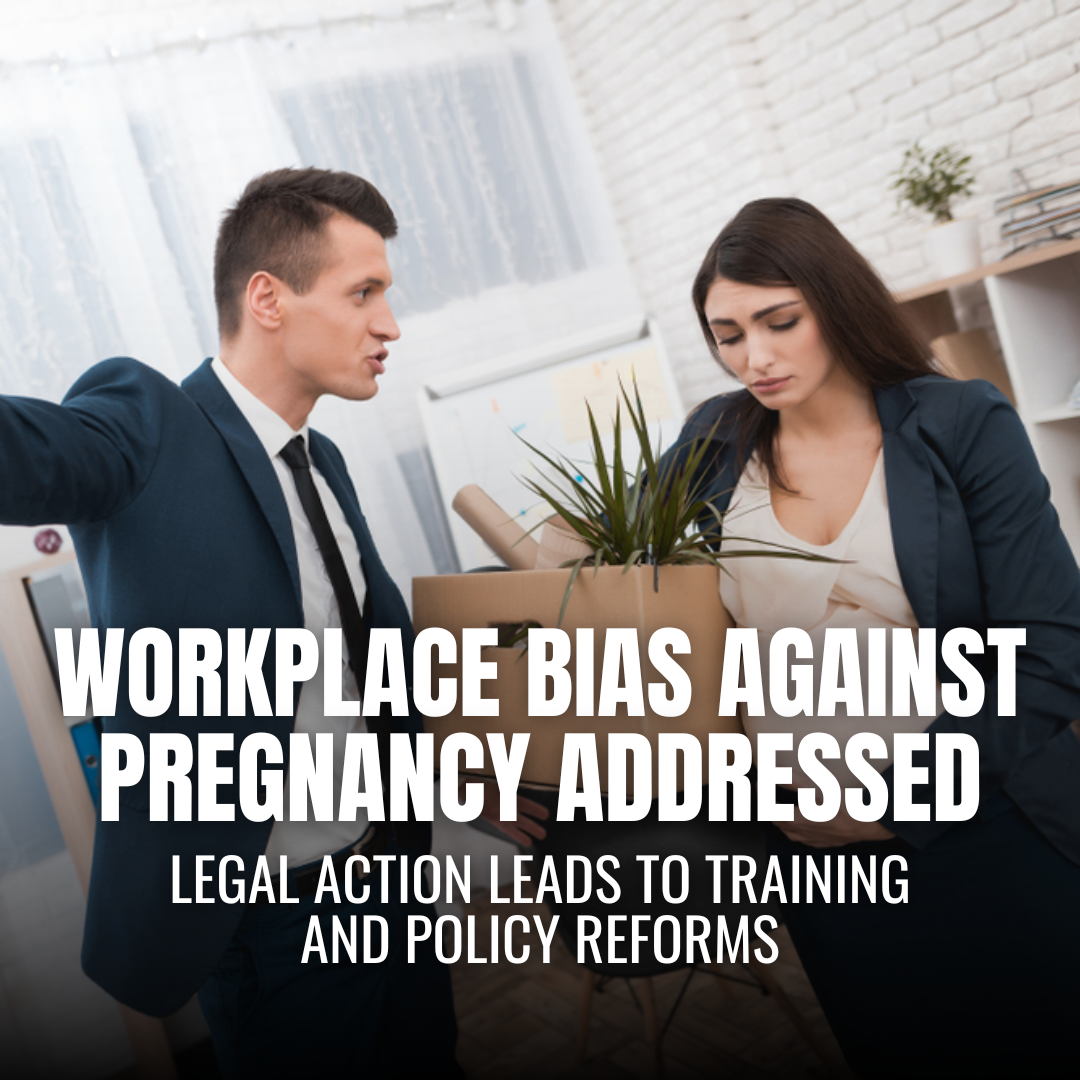
A female employee at White Pine Senior Living was promoted within the company. However, after informing her manager of her pregnancy, the workplace environment quickly changed. The manager allegedly threatened to demote her and began imposing excessive scrutiny on her job performance. Following the employee's decision to oppose the treatment and file a charge with the U.S. Equal Employment Opportunity Commission (EEOC), the manager retaliated with poor performance reviews and job-related threats.
Ultimately, the employer forced the employee to resign by insisting on hiring a replacement, assuming she would be unreliable due to her pregnancy. These actions created a hostile environment that led to what is legally considered a constructive discharge.
Legal Background:
Title VII of the Civil Rights Act of 1964, as amended by the Pregnancy Discrimination Act, prohibits employment discrimination based on pregnancy, childbirth, or related medical conditions. Employers are required to treat pregnant workers the same as others who are similar in their ability or inability to work. Additionally, retaliation against an employee for filing a complaint or participating in an investigation is also unlawful under Title VII.
Settlement and Relief:
White Pine Senior Living agreed to a settlement of $73,000 to compensate the former employee for lost wages and other monetary damages. The settlement was formalized through a consent decree which also mandates the following actions by the employer:
- Revise and strengthen anti-discrimination policies.
- Conduct employee training focused on pregnancy discrimination and retaliation prevention.
- Allow the EEOC to monitor complaints of pregnancy-related discrimination within the organization.
Key Takeaways:
- Pregnancy is protected under Title VII: Employers cannot demote, discipline, or terminate employees due to pregnancy.
- Retaliation is unlawful: Taking adverse action against an employee for opposing discrimination can lead to serious legal consequences.
- Compliance requires active measures: Updating policies and providing training are essential to maintaining a fair workplace and avoiding liability.
Conclusion:
This case against White Pine Senior Living serves as a reminder that pregnancy discrimination and retaliation remain pressing issues in the workplace. Employers must ensure their management practices are compliant with federal law and respectful of employees’ rights during pregnancy.
Creating an inclusive workplace that supports pregnant workers is not only a legal obligation but also a reflection of an organization’s core values. Training, accountability, and transparency are key to preventing similar cases.