Termination For Religious Belief
CEMEX Faces Lawsuit for Firing Worker Over Religious Skirt Accommodation
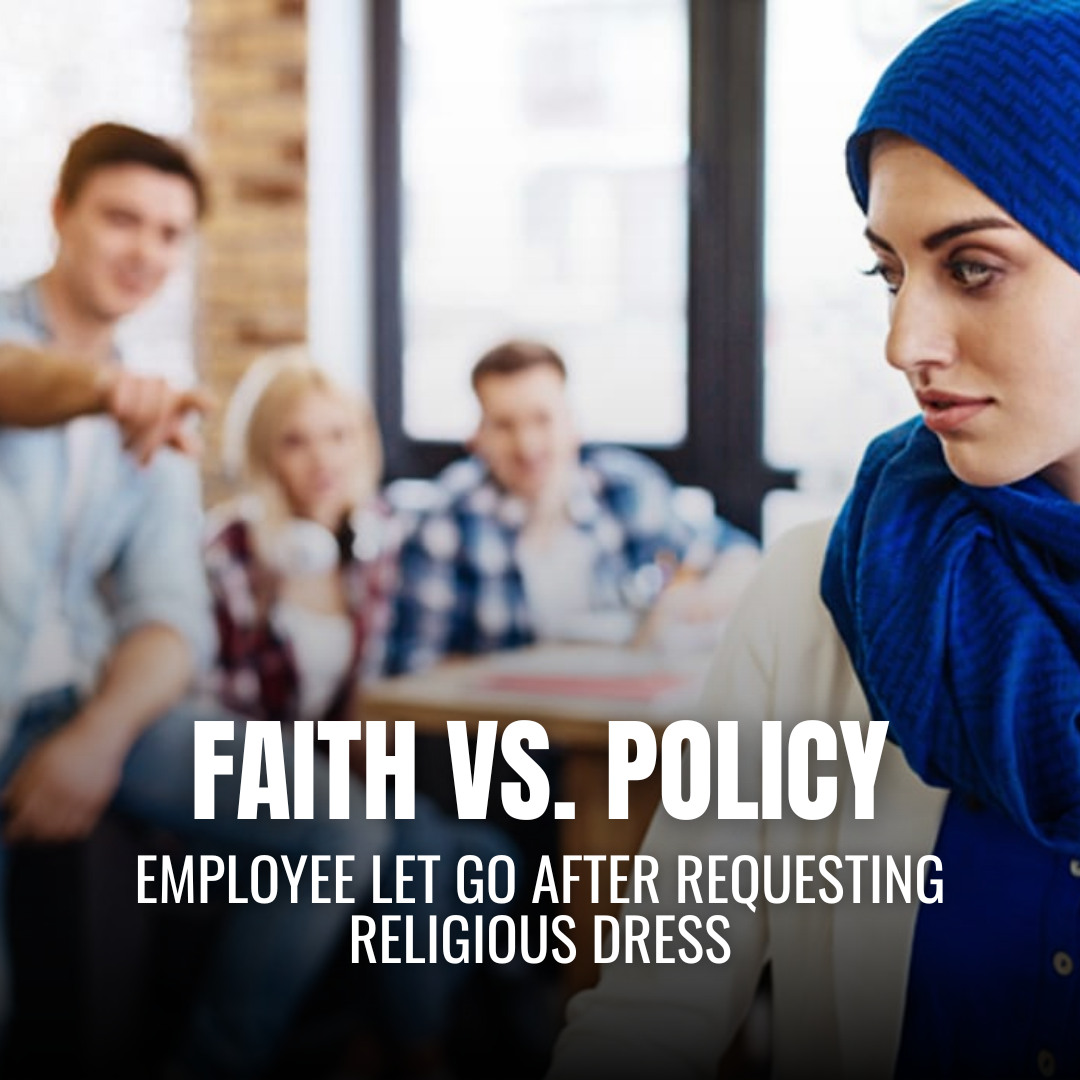
Background
Religious discrimination in the workplace remains a pressing issue when employers enforce policies without accommodating sincerely held religious beliefs. A recent federal lawsuit accuses CEMEX Construction Materials Florida, LLC of failing to provide such an accommodation to one of its employees, leading to her termination.
Incident Details
CEMEX Construction Materials Florida, a company involved in the manufacturing and delivery of building construction materials, is accused of violating federal law after it denied a religious accommodation request from one of its employees—a mixture truck driver and Apostolic Christian.
According to the lawsuit filed by the U.S. Equal Employment Opportunity Commission (EEOC), the employee asked to wear a close-fitting skirt over her work pants as part of her religious practice. Although CEMEX had a policy against loose-fitting clothing, the employee’s skirt was form-fitting and worn over pants, ensuring safety compliance.
Despite this, the company refused the accommodation and told the employee she must either stop wearing the skirt or face termination. She chose to continue following her religious practice, which led to her dismissal.
Legal Background
Title VII of the Civil Rights Act of 1964 prohibits employment discrimination on the basis of religion. Employers are required to reasonably accommodate an employee’s religious beliefs and practices unless doing so would impose an undue hardship on the business.
A failure to consider or provide such accommodations, especially when no significant hardship is demonstrated, constitutes a violation of federal civil rights protections in the workplace.
Settlement and Relief Sought
The EEOC filed its lawsuit in the U.S. District Court for the Middle District of Florida (Case No. 8:25-cv-1454) after attempts to resolve the issue through pre-litigation conciliation failed.
The lawsuit seeks the following remedies:
- Back pay and compensatory damages for the affected employee
- Reinstatement or front pay
- Punitive damages for alleged willful misconduct
- Injunctive relief to prevent future religious discrimination
- Policy changes and employee training on religious accommodation
Key Takeaways
- Religious Practices Must Be Considered: Employers must accommodate sincerely held religious beliefs unless doing so causes an undue hardship.
- Policy Enforcement Must Be Flexible: Neutral safety or dress code policies must still allow for individual case-by-case accommodations.
- Legal Action Can Follow Failed Conciliation: When employers deny accommodation and refuse resolution, litigation may result.
Conclusion
The CEMEX case illustrates the ongoing need for employers to balance workplace policies with the rights of employees to practice their religion. Courts are increasingly addressing such conflicts, reinforcing that religious accommodation is not optional when it does not interfere with business operations. As the case proceeds, it may serve as a benchmark for how companies implement and enforce dress code policies in compliance with federal law.