Bilingual Workplace Rights
Hotel Chain Settles $370K Lawsuit Over Harassment of Latina Housekeepers
Background
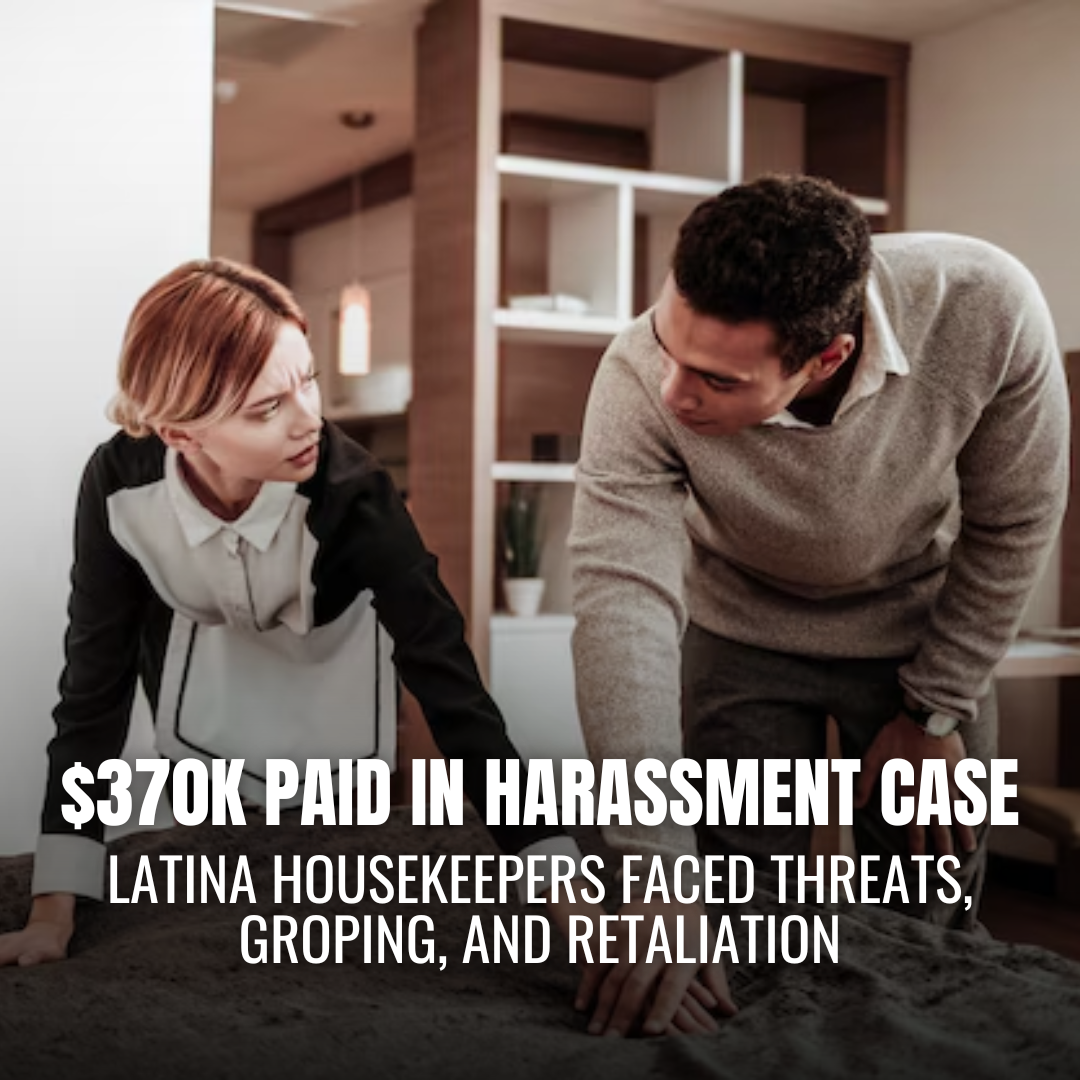
Two Latina housekeepers at a hotel near Seattle-Tacoma International Airport faced ongoing sexual harassment by a male manager. The hotel was operated by GIPHX10, LLC, and Jaffer, Inc., Canadian-owned companies doing business in Washington under the Hawthorn Suites by Wyndham brand until 2021.
The Incident
According to court filings, the hotel’s male maintenance and housekeeping manager routinely groped and sexually harassed two housekeepers while they worked alone in guest rooms. He allegedly made sexually explicit comments, mocked them when they objected, and repeatedly threatened one of the women with rape—forcing her to resign out of fear.
When one of the workers reported the misconduct to the general manager with the help of a bilingual colleague, the companies failed to act. Instead of investigating, they accepted the manager’s denial. The reporting housekeeper was later subjected to retaliation, including reduced hours and denial of a raise given to others.
Legal Background
The conduct violated Title VII of the Civil Rights Act of 1964, which prohibits sexual harassment and retaliation in the workplace. The EEOC filed a federal lawsuit after failed attempts to reach a pre-litigation settlement. The workers also joined the case, filing additional claims under Washington state law.
Settlement and Relief
Under a three-year consent decree, GIPHX10, LLC, and Jaffer, Inc., agreed to pay $370,000 in damages to the two workers. Additional relief includes:
- Hiring an independent consultant to improve anti-harassment policies
- Implementing a companywide complaint and accountability system
- Mandatory training for staff, managers, and owners
- Enhanced procedures for addressing retaliation
The EEOC will monitor the companies’ compliance if they resume hotel operations in Washington.
Key Takeaways
- Employers must investigate all harassment claims thoroughly. Accepting denials without inquiry violates federal law.
- Power imbalances and language barriers increase harassment risk. Employers must ensure policies are accessible to all workers.
- Retaliation for reporting misconduct is illegal. Reduced hours and pay penalties further expose employers to liability.
Conclusion
This case underscores the legal and reputational risks businesses face when they fail to respond to harassment claims. It also highlights the need for robust internal safeguards—especially for vulnerable workers with limited language access or isolated job roles.
Why TAP Series Training Matters
Don’t wait for your company to become the next headline. TAP Series is the leader in online compliance training, offering reliable, accessible, and legally compliant sexual harassment prevention courses. Our courses are trusted by top organizations and tailored to meet the needs of diverse workforces—because we understand that your team’s safety and your business’s compliance can’t wait.
Be proactive, not reactive. Equip your team with the knowledge and tools to prevent harassment before it starts—with TAP Series, your trusted training partner.