EEOC Alabama Case
Polaris Industries Settles EEOC Pregnancy Discrimination Lawsuit for $55,000
Background
Polaris Industries, a global vehicle manufacturer, has agreed to settle a federal lawsuit brought by the U.S. Equal Employment Opportunity Commission (EEOC) for alleged pregnancy discrimination. The case stemmed from employment practices at the company’s Huntsville, Alabama facility and centers around the treatment of a pregnant worker who was denied reasonable accommodations.
Incident Details
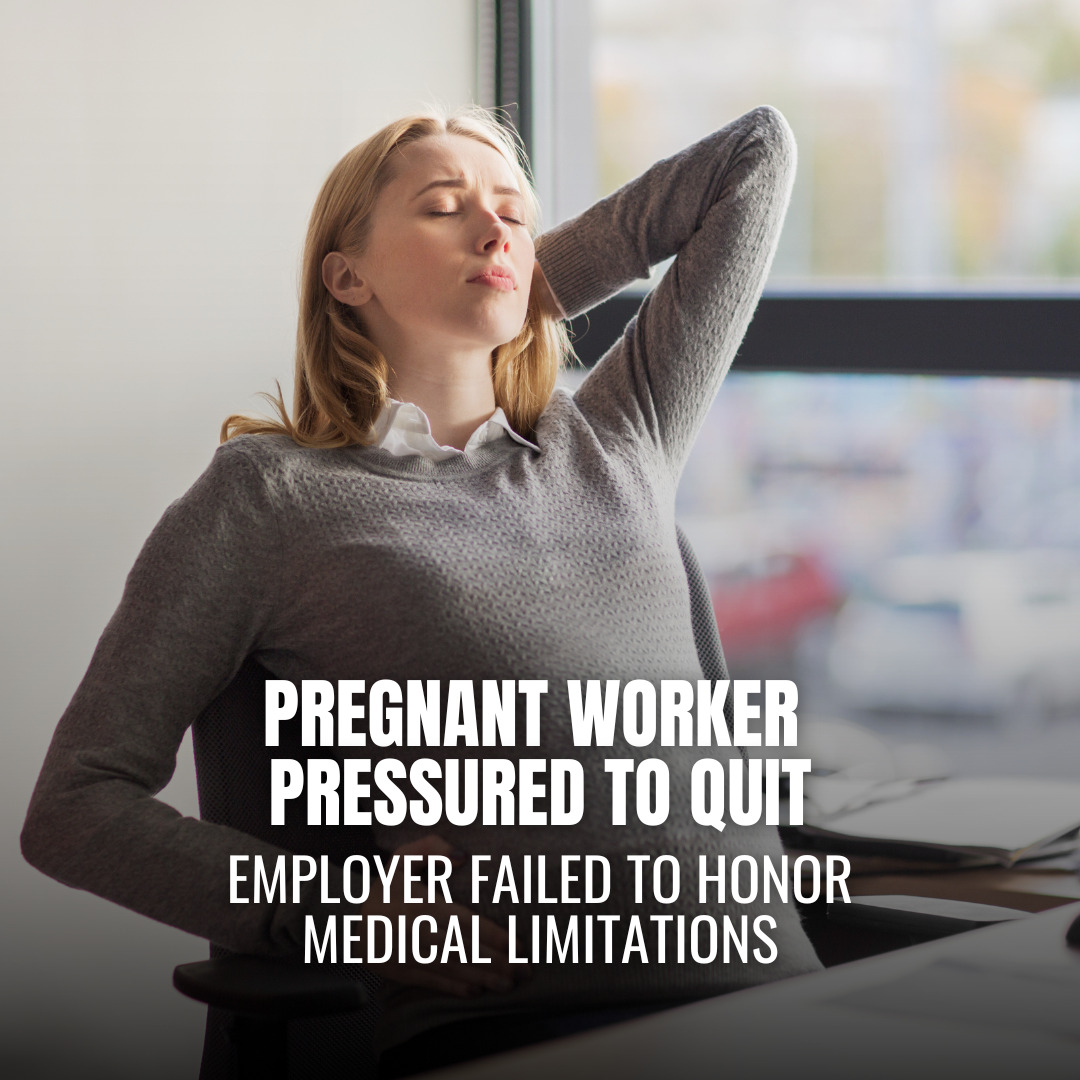
The EEOC alleged that Polaris penalized a pregnant employee for taking time off for pregnancy-related medical appointments. Despite her physician’s recommendation to limit her schedule to 40 hours per week, Polaris continued to require mandatory overtime. The company further warned her that additional absences would lead to termination, placing her in the difficult position of choosing between medical advice and continued employment. Under mounting pressure, the employee resigned.
Legal Background
The allegations fall under the scope of the Pregnant Workers Fairness Act (PWFA), which took effect in June 2023. This federal law requires covered employers to provide reasonable accommodations for known limitations related to pregnancy, childbirth, or related medical conditions, unless doing so would pose an undue hardship. The PWFA strengthens protections for pregnant employees beyond existing anti-discrimination laws by clarifying an employer’s obligations to accommodate rather than penalize.
Settlement Terms
Polaris agreed to a $55,000 settlement, covering lost wages and compensatory damages for the affected employee. In addition to monetary relief, the company entered a two-year consent decree requiring institutional reforms. These include revising internal policies, implementing training programs on PWFA compliance, and taking steps to ensure accommodation procedures are communicated clearly to employees and supervisors.
Key Takeaways
- Employers must accommodate medical restrictions related to pregnancy under the PWFA, including limits on work hours.
- Penalizing an employee for taking medically necessary leave may constitute unlawful discrimination.
- Companies are expected to actively review and update their accommodation policies and train staff accordingly.
Conclusion
This case highlights the expanding legal protections for pregnant workers under the PWFA and sends a clear message to employers nationwide. With the law now in full effect, organizations must proactively adjust their practices or risk facing similar enforcement actions. The settlement with Polaris underscores the importance of balancing operational needs with workers’ health-related rights.