EEOC Settlements
Widespread Sexual Harassment and Retaliation Allegations Rock Swami’s Restaurant Chain
Background
In May 2023, the U.S. Equal Employment Opportunity Commission (EEOC) filed a federal lawsuit against multiple Swami’s restaurant locations in California, alleging systemic sexual harassment and retaliation. The case targets ten Swami’s entities and Honey’s Bistro LLC, a related business. The allegations span several years and involve multiple locations, creating a serious legal challenge for the popular café chain.
Details of the Alleged Misconduct
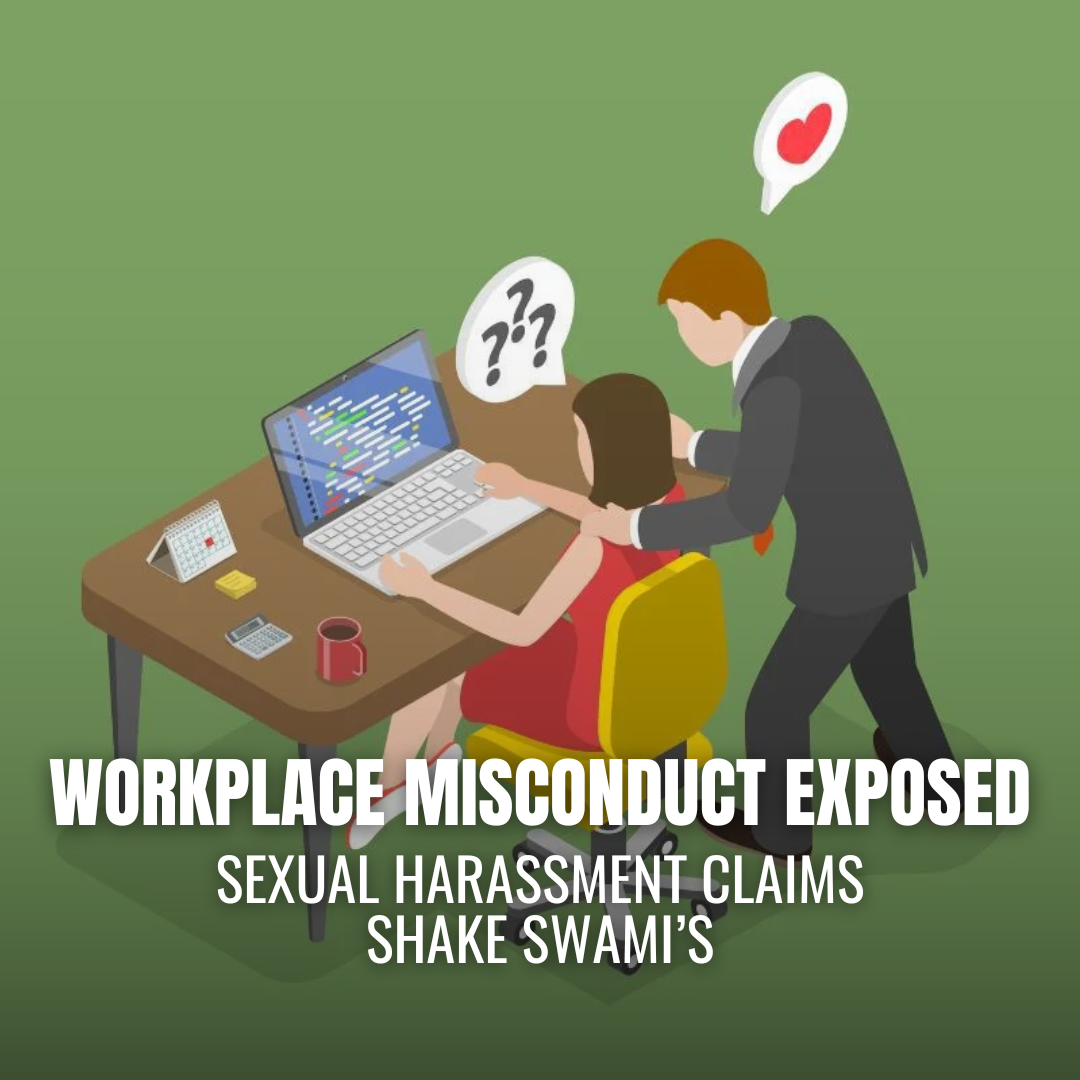
The EEOC’s lawsuit alleges that Swami’s restaurants fostered a hostile work environment in which young female employees—some under the age of 18—were subjected to repeated and unwelcome sexual advances. Allegations include:
- Physical harassment: Male employees, including a manager, allegedly touched female workers without consent.
- Verbal harassment: Employees report being subjected to lewd, sexualized comments about their appearance.
- Solicitation for sexual activity: Allegedly, male staff members asked female workers out on dates and requested sexual favors.
- Customer misconduct: Inappropriate behavior from customers was allegedly ignored by management.
The lawsuit further claims that when employees complained about the harassment, management failed to take corrective action. Instead, some employees faced retaliation, including:
- Reduced work hours.
- Unfair reprimands.
- Emotional and physical intimidation.
- Termination or constructive discharge, leaving them no choice but to resign.
Legal Background
The allegations, if proven true, constitute violations of Title VII of the Civil Rights Act of 1964, which prohibits workplace discrimination based on sex, including sexual harassment, and bars retaliation against employees who report misconduct. Employers are legally obligated to investigate complaints promptly and take steps to prevent future harassment. Failure to act can lead to substantial legal and financial consequences.
Settlement and Remedies
The EEOC has resolved its lawsuit against Swami’s Downtown LLC, one of the ten Swami’s entities named. The settlement includes expansive injunctive remedies designed to prevent future harassment, strengthen reporting mechanisms, and protect workers from retaliation. The settlement does not involve attorney’s fees, as the EEOC litigates in the public interest.
Cases against the remaining Swami’s locations and Honey’s Bistro LLC are ongoing.
Three Key Takeaways
- Inaction Can Lead to Legal Action – Failing to address harassment complaints exposes companies to lawsuits and reputational harm.
- Retaliation Is Illegal – Punishing employees for reporting misconduct is a direct violation of federal law.
- Preventive Training Is Essential – Proactive education and clear reporting procedures are critical to preventing workplace harassment.
Conclusion
The Swami’s case serves as a reminder that sexual harassment and retaliation remain pressing issues in the restaurant industry. Employers must create safe, respectful workplaces and take all complaints seriously to avoid legal consequences and protect their workforce.
Recommendation: Prevent Harassment with TAP Series Training
One of the most effective ways to prevent situations like this is through comprehensive sexual harassment prevention training. TAP Series is a leader in online compliance training, trusted by businesses nationwide. They make training fast, accessible, and effective—perfect for busy restaurant managers and staff. With TAP Series, your team learns how to recognize, prevent, and respond to harassment, creating a safer workplace and reducing legal risks.
Don’t wait for a complaint—protect your business and employees now with TAP Series.