EEOC Systemic Case
Gallup-McKinley County Schools Faces Federal Subpoena Enforcement Over Discrimination Investigation
Background
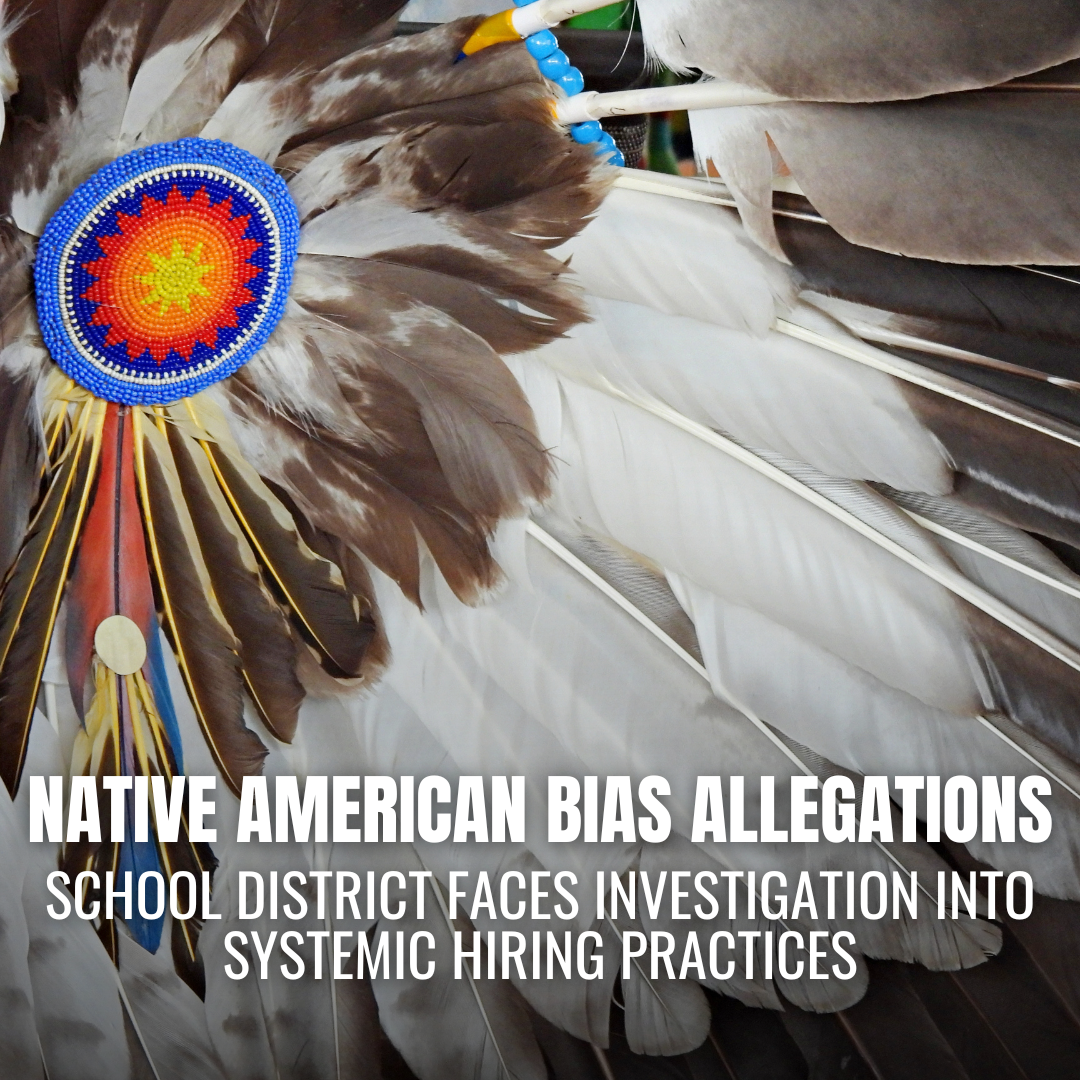
The U.S. Equal Employment Opportunity Commission (EEOC) has filed a subpoena enforcement action in federal court against Gallup-McKinley County Schools (GMCS), a district serving students in Gallup and surrounding areas of McKinley County, New Mexico. The case stems from allegations that the district engaged in discriminatory hiring and employment practices targeting Native American job applicants and employees.
Incident Details
In August 2024, the EEOC initiated a Commissioner’s Charge of discrimination against GMCS, alleging a pattern or practice of intentional exclusion of Native American individuals from key educational positions. The allegations cover multiple employment categories, including classroom teachers, administrators, and principals, and cite potentially discriminatory practices in interviewing, hiring, promotions, and job classifications.
As part of its investigation, the EEOC requested deposition testimony from two senior district administrators. GMCS initially agreed but later canceled the scheduled interviews and refused further cooperation. The agency issued administrative subpoenas requiring the administrators to appear for testimony. However, both failed to comply, and GMCS did not utilize the administrative appeal process available to challenge the subpoenas.
Legal Background
The allegations fall under Title VII of the Civil Rights Act of 1964, which prohibits employers from engaging in race-based discrimination in any aspect of employment, including recruitment, hiring, promotions, and classification.
The Commissioner’s Charge mechanism under Title VII allows the EEOC to launch investigations into systemic or widespread discriminatory practices within organizations. When an employer refuses to cooperate with the investigation, the EEOC may escalate to a subpoena enforcement action, seeking a federal court order to compel compliance.
Federal Court Action
After failed attempts to secure voluntary cooperation, the EEOC filed a subpoena enforcement action in the U.S. District Court for the District of New Mexico (EEOC v. Gallup-McKinley County Schools, Case No. 1:25-mc-00025). If successful, the court could order GMCS to provide the requested testimony and comply with the ongoing federal investigation into its hiring and employment practices.
Key Takeaways for Employers
- Non-cooperation increases legal exposure. Refusing to comply with EEOC subpoenas can escalate matters into federal court actions, compounding legal and reputational risks.
- Systemic allegations trigger heightened scrutiny. A Commissioner’s Charge often signals concerns about broad or institutional discrimination rather than isolated incidents.
- Title VII enforcement is mandatory. Employers must comply with federal anti-discrimination investigations or risk significant court-ordered penalties and oversight.
Conclusion
The subpoena enforcement case against Gallup-McKinley County Schools illustrates the EEOC’s authority to compel cooperation in systemic discrimination investigations. For employers, it highlights the importance of responding appropriately to EEOC requests and recognizing the serious consequences of resisting federal oversight. Allegations of race-based exclusion, particularly against Native American applicants and employees, remain a high priority under Title VII enforcement.