EEOC Settlement News
ViaQuest Settles Disability Discrimination Case for $175,000
Background
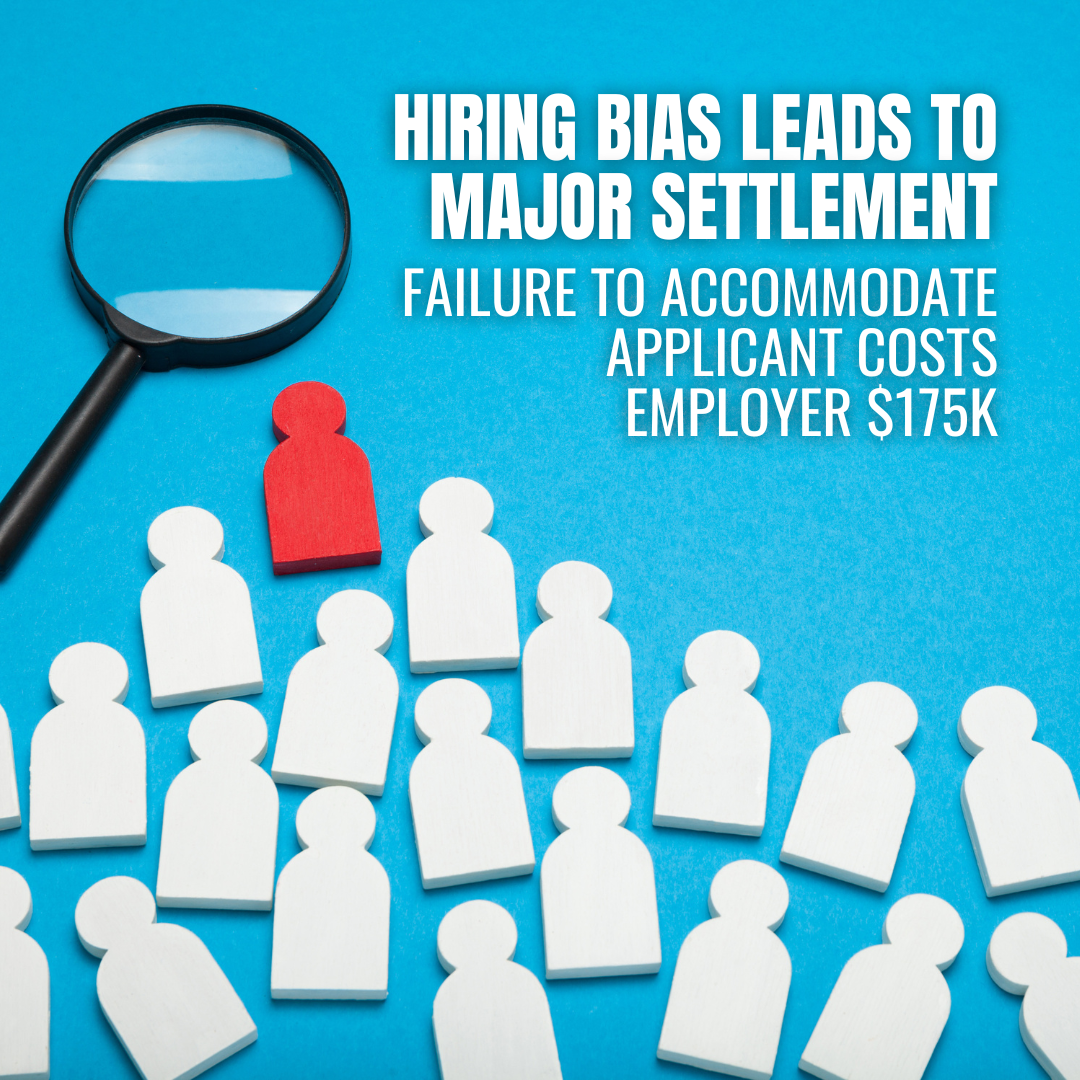
ViaQuest, LLC, a Dublin, Ohio-based healthcare provider, along with its affiliates ViaQuest Healthcare Central, LLC and ViaQuest Day and Employment Services, LLC, has agreed to a settlement following a disability discrimination charge investigated by the U.S. Equal Employment Opportunity Commission (EEOC). The case arose from allegations that the company denied a job applicant a reasonable accommodation and ultimately refused to hire her because of her disability.
Incident Details
According to the EEOC’s findings, ViaQuest failed to accommodate an applicant during the hiring process. The applicant requested a reasonable accommodation related to her disability, but the company allegedly denied this request and subsequently chose not to employ her. The EEOC determined that this conduct violated federal disability protections and amounted to both discrimination and retaliation.
Legal Background
The Americans with Disabilities Act (ADA) prohibits employers from discriminating against qualified individuals with disabilities. Under the ADA, employers must provide reasonable accommodations during the hiring process and in the workplace, unless doing so would cause undue hardship. The law also protects individuals from retaliation for requesting accommodations. Employers found in violation of the ADA may be subject to monetary relief, policy revisions, and mandatory training requirements.
Settlement and Relief
The case was resolved through the EEOC’s pre-litigation conciliation process. ViaQuest agreed to provide $175,000 in monetary relief to the affected applicant.
In addition to the financial settlement, the company committed to significant non-monetary measures to strengthen ADA compliance across all entities. These measures include:
- Revising and distributing ADA-related policies company-wide.
- Establishing clear procedures for processing accommodation requests.
- Requiring employees to certify their understanding of ADA policies.
- Posting EEOC and resolution notices in visible workplace locations for four and a half years.
- Conducting annual, live ADA training for all employees and management.
- General staff will receive two hours of training on disability rights and accommodation processes.
- Supervisors and HR staff will undergo four additional hours of in-depth training on legal responsibilities, the interactive process, and corrective action protocols.
Key Takeaways
- Employers are legally required to provide reasonable accommodations during the hiring process and cannot refuse employment based on disability.
- The ADA protects not only against discrimination but also against retaliation when accommodations are requested.
- Settlements often include both financial compensation and long-term compliance measures, such as training and policy reform.
Conclusion
The ViaQuest case highlights the importance of ADA compliance in hiring and employment practices. By resolving the matter through settlement, the company has agreed to implement systemic changes designed to prevent future violations. This case serves as a reminder for employers to take accommodation requests seriously and ensure policies are in place to protect applicants and employees with disabilities.