EEOC Legal Action Cheerwine
Cheerwine Bottling Company Sued for Disability Discrimination in North Carolina
Background
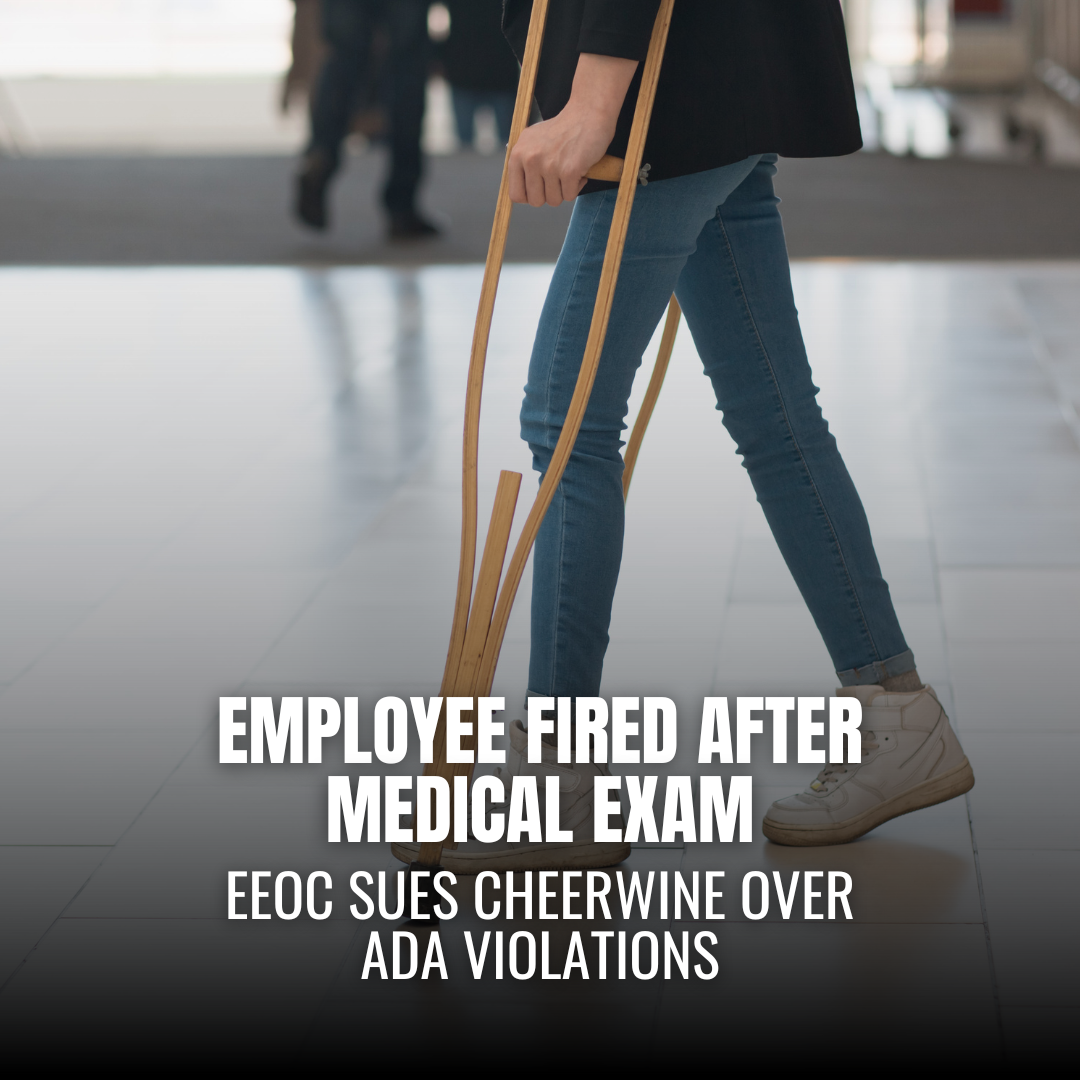
The U.S. Equal Employment Opportunity Commission (EEOC) has filed a lawsuit against Piedmont Cheerwine Bottling Company, a North Carolina-based soft drink manufacturer, over allegations of disability discrimination. The case stems from the treatment of a former employee at the company’s Colfax facility in early 2023.
Incident Details
The employee, hired as a store merchandiser, lived with a disability that required medication. A side effect of the medication caused hip cartilage deterioration, resulting in a limp. Despite performing her job duties for nearly six weeks, the employee was singled out for an early medical examination in March 2023, ahead of other probationary employees.
Following the examination, the company placed her on unpaid leave and required a complete medical clearance before allowing her to return. On March 30, 2023, she submitted a doctor’s note confirming she was cleared to work. However, Piedmont Cheerwine rejected the clearance and terminated her employment shortly thereafter.
Legal Background
The Americans with Disabilities Act of 1990 (ADA) prohibits employers from discriminating against qualified individuals on the basis of disability. The law restricts when and how employers may require medical examinations and forbids adverse employment actions based solely on a disability or its symptoms if the individual can perform essential job functions.
By requiring a premature medical examination and refusing valid medical clearance, the company’s alleged actions run counter to the ADA’s protections. The EEOC filed suit (EEOC v. Piedmont Cheerwine Bottling Company, Case No. 1:25-cv-00821) in the U.S. District Court for the Middle District of North Carolina after conciliation efforts failed.
Relief Sought
The EEOC’s complaint seeks compensatory and punitive damages for the affected employee, as well as injunctive relief to ensure future compliance. This includes measures to prevent unlawful medical examinations and disability-related terminations.
Key Takeaways
- Employers may not single out employees with disabilities for early or unnecessary medical examinations.
- Valid medical clearance from a physician must be honored unless objective evidence shows the employee cannot meet job requirements.
- ADA violations can result in significant financial liability and mandated compliance reforms.
Conclusion
The lawsuit against Piedmont Cheerwine Bottling Company underscores the continuing importance of ADA compliance in employment practices. Companies must apply medical and fitness-for-duty standards consistently across their workforce and ensure that employees with disabilities are evaluated based on ability to perform essential functions, not assumptions tied to their condition.