Disability Discrimination Settlement
AMC Faces EEOC Disability Discrimination Lawsuit Over Worker Accommodations
Background
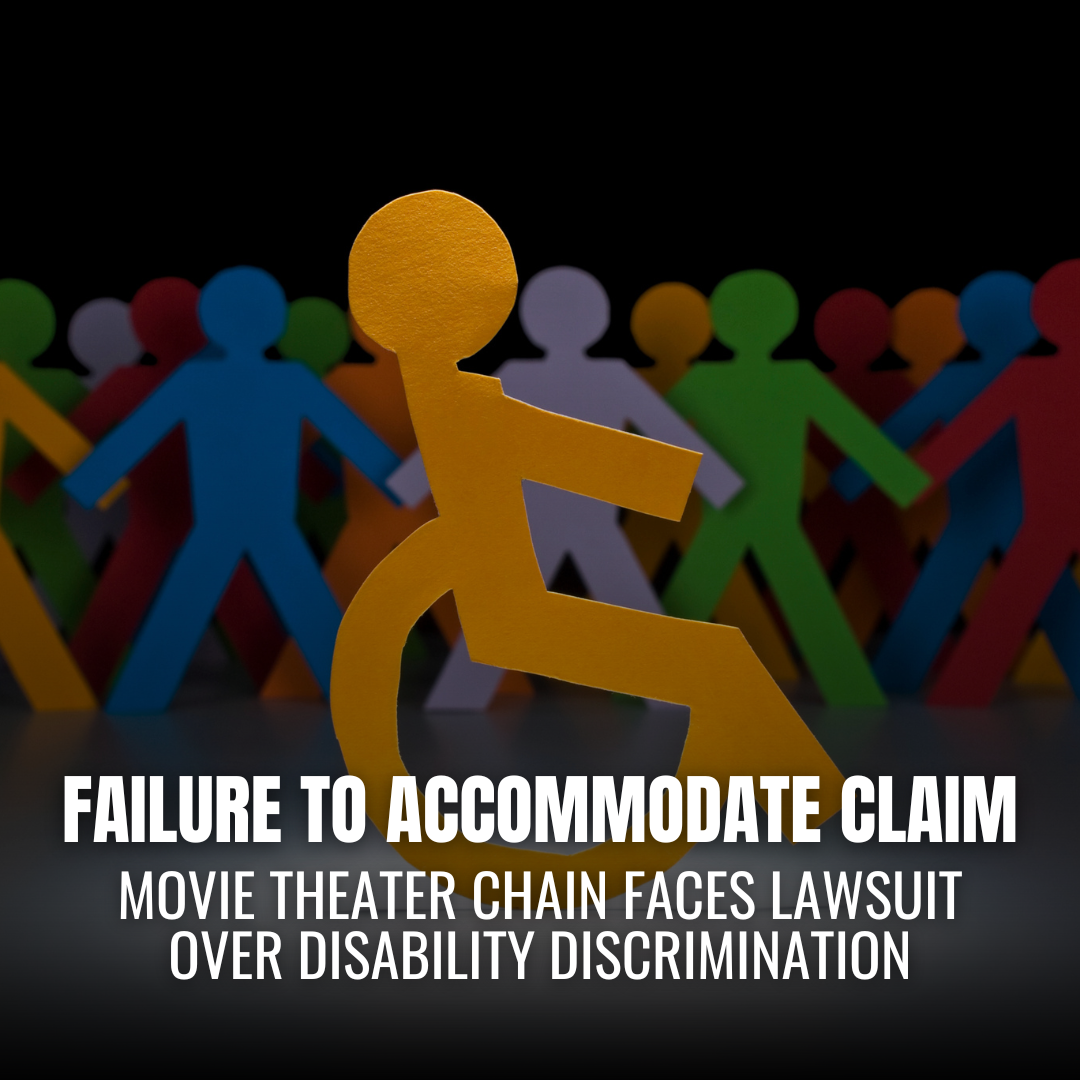
The U.S. Equal Employment Opportunity Commission (EEOC) has filed a federal lawsuit against American Multi-Cinema, Inc. (AMC), one of the nation’s largest movie theatre chains. The case arises from allegations that AMC failed to provide reasonable accommodations to a long-term employee with cerebral palsy and ultimately forced him out of his position. The incident underscores ongoing concerns about workplace compliance with disability rights protections under federal law.
Incident Details
According to court filings, the case centers on AMC’s Owings Mills, Maryland location. The employee, who had worked for the company for 22 years, requested minor accommodations that would allow him to perform his duties more effectively. These included:
- A ticket scanner with a strap and side button, making it easier for him to use.
- A printed list of movies and corresponding theater numbers in large font.
The lawsuit alleges that AMC denied these requests. Instead of engaging in the required interactive process to address accommodation needs, the company significantly reduced the employee’s working hours. This action allegedly pressured him to resign around September 2023.
Legal Background
The Americans with Disabilities Act of 1990 (ADA) prohibits employers from discriminating against qualified employees based on disability. Employers are required to provide reasonable accommodations to enable employees with disabilities to perform their job duties, unless doing so would cause undue hardship. The ADA also prohibits retaliation or adverse employment actions against individuals requesting accommodations.
The EEOC filed the lawsuit in the U.S. District Court for the District of Maryland (Case No. 25-cv-03003-CJC) after first attempting resolution through its administrative conciliation process.
Relief Sought
Through the lawsuit, the EEOC is seeking:
- Monetary relief for the affected employee, including compensatory and punitive damages.
- Injunctive relief to prevent future violations, including policy changes and training for AMC staff.
- Court oversight to ensure AMC complies with ADA requirements moving forward.
Key Takeaways
- Longstanding employees remain protected – Years of service do not exempt an employer from its legal duty to provide accommodations.
- Simple accommodations matter – Even low-cost or basic requests, such as accessible equipment or large-font printouts, must be considered under the ADA.
- Cutting hours can constitute discrimination – Reducing hours instead of providing accommodations may be viewed as an unlawful constructive discharge.
Conclusion
The AMC lawsuit highlights the critical importance of ADA compliance across all industries, including entertainment and hospitality. Employers are expected not only to avoid discriminatory practices but also to proactively engage in an interactive process to ensure employees with disabilities can succeed in their roles. The case serves as a reminder that failing to provide reasonable accommodations—even minor ones—can result in costly litigation and reputational harm.